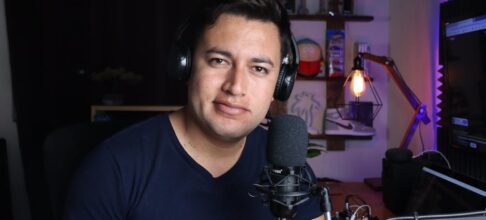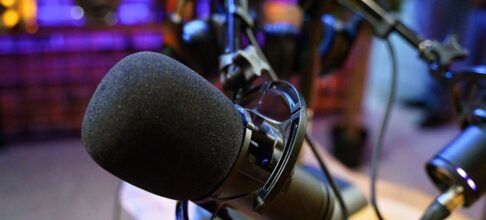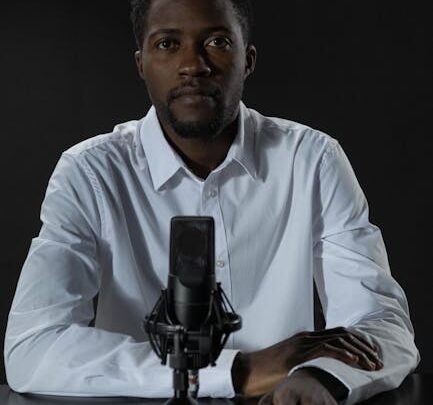
You’d be forgiven for picturing voice actors in Los Angeles reading scripts into a Neumann microphone, their sessions punctuated by directors’ notes and the soft click of a sound engineer adjusting faders. That scene still exists, but it’s no longer the only—or even dominant—picture of American Voice Over in . The industry is quietly churning through its most turbulent transformation since the arrival of home recording in the late ‘90s, and not everyone on either side of the glass is comfortable with what’s happening.
A Pipeline Split in Two
Spend a week shadowing casting at a mid-sized agency like Atlas Talent in New York and you’ll see two workflows running in parallel. On one track, legacy clients—think Madison Avenue ad houses or established animation studios—still book union talent for live-directed sessions at places like Sound Lounge on West 19th Street. The other track? Remote submissions from a national pool of freelancers using Source-Connect or even Google Meet, often reading sides for e-learning modules or social video spots destined for TikTok.
Agency insiders estimate that roughly % of their projects now bypass traditional studios entirely, up from maybe % pre-pandemic. Some clients don’t want to pay for brick-and-mortar overhead; others simply want more voices faster. Ironically, this proliferation means that LA-based veterans are competing directly with part-time narrators from Austin to Boise—many equipped with affordable USB mics and perfectly treated closets.
From Cartoon Network to Call Centers
Some corners of voice over remain fiercely specialized. In Burbank’s animation district, companies like Warner Bros Animation continue to demand high-character reads and book seasoned performers (think Tara Strong or Eric Bauza) who can deliver five distinct characters in a single take. But farther afield—in the industrial “IVR” sector (interactive voice response)—the ask is different: clarity over charisma.
Take Globalme Localization in Vancouver, which handles English language prompts for banking apps across North America. Their workflow? A rotating stable of remote narrators recording hundreds of lines at home each month, reviewed asynchronously by project managers who rarely meet talent face-to-face.
There’s little glamour here—and zero chance to improvise—but there is steady work if you can keep your noise floor below - dB and deliver pristine files.
AI Imitators Arrive Quietly
Of course, the real tension comes from what isn’t quite human anymore. Since Descript launched its Overdub feature in late —and ElevenLabs rolled out multilingual synthetic voices last year—the undercurrent has been both fascination and dread.
At least one major video game publisher (sources point to Electronic Arts) now uses AI-generated placeholder dialogue for early builds before hiring SAG-AFTRA performers to record final dialogue tracks. In practical terms: writers hear their scenes come alive instantly as they’re typed—a productivity jump that leaves some actors wondering how long until those synthetic placeholders become permanent fixtures instead of mere guides.
In , an estimated –% of explainer videos delivered by US-based production houses used AI-generated narration at some stage, according to several freelance producers polled via LinkedIn forums—not because it sounds better but because it fills gaps when budgets or deadlines get tight.
Micro Studios, Macro Reach
Not everything about this new landscape feels dystopian. Consider RealVoice LLC—a boutique studio outside Atlanta specializing in regional commercials for clients like Publix Super Markets and Chick-fil-A. Their secret weapon isn’t access to big-name talent but rather a meticulously organized database of semi-pro narrators across all time zones.
“We’re delivering thirty-second spots overnight,” says founder Jamie Lee Porterfield. “Sometimes we’ll get approval on copy at 6pm EST and have three takes back from different states before midnight.” This nimbleness means smaller advertisers aren’t locked out by geography or cost—a far cry from the days when every spot meant booking time downtown.
By , RealVoice reports their roster spans over forty active voices monthly—triple what they managed just four years ago—with nearly half working outside traditional studio environments.
Contractual Chaos—and Union Pushback
For every new workflow there’s a new headache around credits and compensation. One issue simmering since Netflix’s first US-dubbed originals (circa ): who owns digital likenesses? An Ohio-based audiobook narrator recounts her surprise when she heard an AI-trained version of her voice on an unrelated platform—courtesy of lax contract language signed years earlier with an indie podcast producer now acquired by Spotify.
Unions have responded unevenly; SAG-AFTRA has issued guidance around AI cloning clauses but enforcement remains spotty outside marquee projects or major metros like LA and New York.
Meanwhile, non-union markets—corporate training videos produced out of Dallas or instructional content recorded remotely for German edtech firms—remain largely unregulated territory where rates fluctuate wildly (from $ per finished minute down to $5 depending on country).
Fragmentation as Standard Operating Procedure
If there’s one consensus among insiders—from casting agents at Vox Inc., to localization heads at Keywords Studios—it’s that there is no single American Voice Over workflow anymore.
One day might mean working inside an Adobe Audition session patched through IPDTL; the next could be wrangling Dropbox file versions from three continents just to finalize localized safety announcements for Lufthansa cargo pilots flying out of Frankfurt.
Even within one campaign: TV ads may use union-talent recorded live in Chicago while digital cutdowns employ budget-friendly remote reads sourced via Voquent.com or Bodalgo from London-based freelancers—all stitched together by post-production teams distributed across hemispheres.
This patchwork reality isn’t pretty—but it does explain why so many conversations behind closed doors are about infrastructure rather than artistry these days.