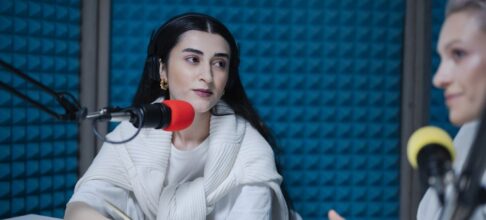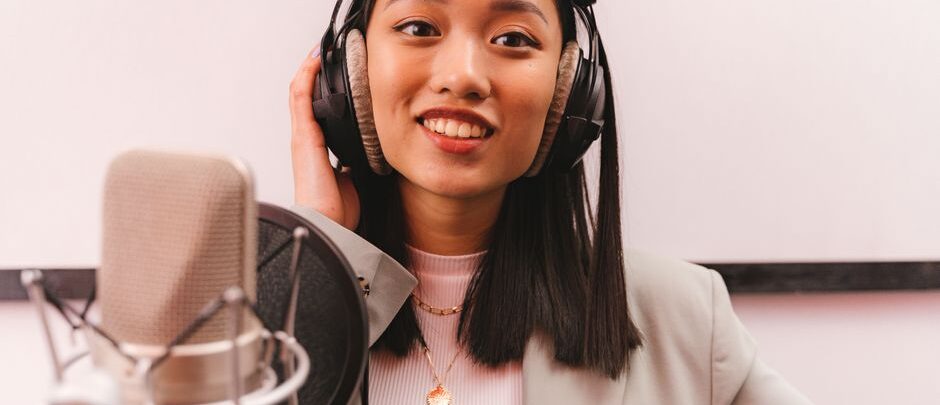
It’s 2 a.m. in Quezon City. The office lights flicker on at Adobo Studios, and a half-dozen voice talents shuffle into padded booths, coffee in hand. On the glass outside Studio B, someone has taped a list: "Today: U.S. mobile game (Tagalog), PH insurance commercial (English), Netflix pilot ADR (Bisaya)." A producer rubs her eyes—last-minute script changes again.
For most people streaming K-drama dubs or snappy YouTube ads in Manila, the process is invisible. Yet beneath every seamless Filipino dub is an industry juggling global demands and local realities—a patchwork of freelancers, agencies, AI tools creeping in from Singapore tech startups, and the occasionally baffled foreign client.
When Local Means Global—and Vice Versa
Here’s a contradiction that never really gets discussed out loud: Most “Filipino” voice over work isn’t for local brands. It’s for international companies—American e-learning platforms, Korean drama distributors looking to reach Southeast Asia through Taglish tracks, Chinese app developers hoping to nudge Pinoy download rates up by 15%. In fact, according to Manila-based localization manager Chito R., roughly 70% of their projects at BosesKo Studios are commissioned by overseas clients targeting Philippine audiences or using Filipino voices for neutral English appeal across Asia-Pacific.
The workflow can border on chaos. Take the case of a recent Netflix series localized for Philippine release; dialogue was sent via Google Drive folders at midnight Manila time with three separate versions required: pure Tagalog, colloquial Taglish, and Cebuano for Mindanao cable syndication.
How Real Work Gets Done: The Assembly Line Nobody Talks About
You’d expect artistry; what you get is an assembly line—except with more WhatsApp threads and last-minute patch-ins.
At VoxPH Productions in Makati (a mid-sized studio handling games and commercials), each project starts with frantic scheduling calls to their pool of talent—many moonlighting from radio or online teaching gigs. Script supervisors chop up scenes into micro-cues; directors email reference clips (“Make it sound more like Vice Ganda here”), then scramble to fix broken timecodes when files arrive from post houses in Seoul or LA.
In practice:
- Most studios record raw takes within two days after receiving finalized scripts (which rarely stay final).
- Edits are handed off to freelance sound engineers—often based in Bulacan or Laguna for cheaper rates—who clean up breaths and sync lips under relentless deadlines.
- Quality checks involve marathon Zoom sessions where three languages bounce between screens: Tagalog lines, English guidance notes from US clients, Mandarin-translated feedback if it’s a China-funded project.
By the end? A four-minute video ad may pass through six hands across three cities before approval—but only if nobody drops out due to power cuts or sudden COVID quarantines (a very real issue as recently as late 2021).
From Call Center English to Global Narration Tracks
Here’s something few outsiders realize: much of the distinctive “neutral” accent prized in regional campaigns was honed not in acting schools but on call center floors during the late 2000s outsourcing boom. By 2015, BPO-trained speakers were being recruited directly for eLearning voice overs by Singaporean firms like iXplain Media—valuing their crisp enunciation and chameleon-like ability to adjust inflection on demand.
One veteran talent recalls being asked to sound “more American” one day and “slightly less American” the next depending on whether it was a Qatar Airlines safety video or a Japanese anime dub targeting Metro Manila teens.
Tech Disruption Isn’t Always Welcome (Yet)
AI-powered tools are everywhere now—from dubbing assistants like Respeecher used experimentally by Indonesian studios since 2022 to automated timing scripts tested by Australian localization outfits adapting content for Southeast Asian markets. But in Metro Manila? Skepticism persists.
A common pattern among established Filipino voice directors: they’ll use AI-generated draft tracks for internal timing but swap them out entirely with human reads before delivery. As Jun Tan of TagVoices Agency told me last year: “Clients want natural laughter—not algorithmic giggles.” Still, some ad agencies have started piloting TTS platforms such as WellSaid Labs’ Filipino module for rush explainer videos where budget trumps nuance.
One real scenario unfolded in early 2023 when an e-commerce giant requested hundreds of micro-dubs within 48 hours for TikTok-style promos—the agency delivered half via AI voices blended with human overlays so nobody could tell which was which on small phone speakers.
Accents as Battlegrounds—and Comedy Gold Mines
Ask anyone who’s worked Filipino voice over about accents and you’ll get an earful—sometimes literally. There’s endless debate between purists (favoring deep Batangas vowels) versus market pragmatists (“Just make it sound ‘TV5’ friendly!”). For major game launches handled by Makati-based PixelSound Studio since around 2019,
the brief often includes explicit warnings against slipping into Visayan singsong unless specified—or risk getting flagged by sharp-eared fans on Discord servers across Cebu City.
On one notorious project—a fantasy RPG launched regionally—test players immediately noticed that an NPC supposed to be from Luzon sounded suspiciously Ilonggo during key cutscenes. The backlash forced emergency pickups days before launch—a reminder that even minor vocal cues can spark social media storms among hyper-localized audiences who know exactly what authenticity should sound like.
The Ghost Talent Economy
Not all credits go public—or even get paid fairly. While top-tier VO artists land recurring roles with agencies like Big Mouth Manila (servicing both Jollibee commercials and Disney Channel spots since early 2010s), hundreds of mid-level talents survive on per-project gigs sourced via Facebook groups or Upwork listings overseen by remote producers based everywhere from Vancouver to Jakarta. Estimates floated by industry insiders suggest only about 30% of working Filipino VOs belong to union-backed collectives; the rest remain part-time contractors locked out of residuals but grateful for regular bookings regardless.
During pandemic lockdowns in 2020–21, many scrambled to convert bedrooms into makeshift studios using shoeboxes lined with egg cartons—a DIY trick borrowed from indie podcasters—which remains standard practice for low-budget web campaigns today despite partial reopening of proper booths post-2022.
Historic Shifts: Dubbing K-Dramas & Anime Since ABS-CBN’s Heyday
It wasn’t always this fragmented—or globalized. In the late ‘90s and early 2000s heyday of ABS-CBN dubbing blocks (“Meteor Garden,” anyone?), nearly all Filipino voice over work ran through major broadcast networks employing full-time actors under fixed contracts. Those centralized teams fostered distinct house styles still referenced nostalgically among older directors today (“Make it sound like old Studio X,” is shorthand everyone understands).
But since around 2014—with streaming platforms like iFlix (then Netflix PH) demanding faster turnarounds across multiple dialects—the pipeline splintered into ever-smaller teams working remotely via Dropbox links instead of physical tapes passed down EDSA traffic jams at dusk. Now? One director might juggle four concurrent jobs spanning TV anime dubs recorded locally while supervising digital ad spots patched together from home setups scattered across Luzon vis-à-vis cloud-based DAWs like Soundtrap or Audacity Pro Sync Edition adopted widely post-2020 lockdowns.