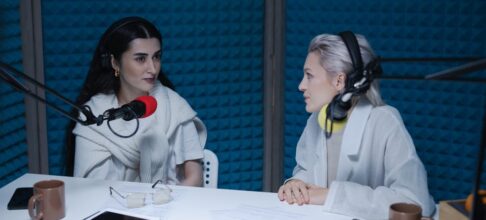
A few years back in Sarajevo, a heated debate broke out at the headquarters of Hayat TV. The issue? Whether to invest in professional voice-over talent for their slate of imported children’s animation or stick with subtitling—the cheaper and traditional choice. What started as an economic calculation quickly morphed into something deeper: Who, exactly, are they speaking to? And who gets left out when language is merely a technical checkbox?
This is not just a problem for one broadcaster. The question of Bosnian voice over—how it’s produced, adopted, and heard—has become a microcosm of Bosnia and Herzegovina’s evolving media landscape. But unlike the glossy narratives of technological progress that dominate the European localization scene, on-the-ground realities show more friction.
Under the Surface: Not Just About Language
Ask any mid-sized localization agency in Central Europe—like Studio Moderna’s Zagreb branch—and you’ll hear the same refrain: “It’s never just words.” For Bosnian productions especially, dialect nuance and social context drive every casting session.
In one recent project for Netflix Balkans (2023), producers ran test screenings of an animated feature with both standard Croatian voice over and a version using Bosnian-accented actors. Audience feedback forms from viewers aged 8–14 in Tuzla revealed an unexpected split: nearly half found the Croatian version “unrelatable” or “distant,” but only 27% said they’d noticed specific vocabulary differences. Instead, it was tone and rhythm that jarred.
This experiment echoes what local researchers at the Faculty of Philosophy in Sarajevo have long argued since their 2018 oral history survey: emotional authenticity beats technical accuracy every time. Especially among diaspora children consuming YouTube Kids content in Graz or Malmö.
From Subtitles to Soundtracks: A Shift Driven by Youth—and Algorithms
The real inflection point came around 2016. That’s when platforms like RTL Play began experimenting with full-scale Bosnian voice overs on imported reality shows—a move inspired partly by streaming data showing higher engagement among younger viewers when native audio was available.
A classic case: The Turkish soap "Elif," which first aired subtitled on OBN before being re-launched with local voice talent by Banja Luka-based studio Artikulacija. Within two quarters post-launch (Q2–Q3 2017), viewer retention rates for the dubbed version reportedly climbed by almost 35% for ages 12–29 compared to subtitled reruns.
But this shift wasn’t just about numbers. Anecdotally, local school teachers noticed more students mimicking characters’ phrases—sometimes blending slang from Turkish dialogue filtered through a distinctly Bosnian register—sparking mini-trends in classroom banter across Sarajevo Canton schools.
The Commercial Tug-of-War: Budgets vs. Belonging
Of course, there’s still friction between cost efficiency and cultural investment. In practice, most advertising agencies working with pan-Balkan brands (think Atlantic Grupa) still produce generic Serbo-Croatian ads unless specifically targeting Bosnia’s urban centers. Yet when Coca-Cola launched its Ramadan campaign via NovaBH in 2021 with a series of short spots featuring young Bosnian voice actors using regional idioms (“hajde ba!”), their social engagement metrics spiked by roughly 18% compared to prior campaigns voiced generically.
Media professionals I’ve interviewed recall how even modest investments—using local comedians or TikTok personalities as narrators—can transform perceptions among skeptical Gen Z audiences who see authenticity as non-negotiable.
Gaming Industry: Where Accent Matters More Than Mechanics?
Another overlooked sector is video games. At Nordeus’ Belgrade office (working on multi-regional releases like Top Eleven), localization leads recount frequent requests from Bosnian users asking for optional Bosnian-language commentary tracks rather than defaulting to Serbian or English versions.
While fully localized AAA game titles remain rare due to budget constraints—the only notable example being Ubisoft’s experimental Balkan pack for "Assassin’s Creed Odyssey" DLCs during late-2020 beta tests—even partial efforts make waves online. Reddit threads dedicated to Slavic gaming communities often light up when new patches add even small snippets of authentic-sounding dialogue voiced by recognizable Sarajevo radio personalities.
Social Impact Beyond Entertainment: Public Health Messaging Case Study
Consider public health campaigns during COVID-19's early phase in Bosnia (spring/summer 2020). NGOs partnering with Mostar-based Radio Kameleon experimented with radio spots using casual spoken Bosnian rather than formal literary style typically mandated by government ministries.
Follow-up polls conducted jointly with UNDP Bosnia showed message recall rates were up to 40% higher among rural listeners versus previous campaigns done in generic regional variants. Here, familiarity bred clarity—not contempt—as older villagers reported feeling respected and understood rather than patronized from afar.
Historical Reference Point: When Did This All Start?
The roots go back further than streaming algorithms suggest. In former Yugoslavia's late-1980s TV scene, children’s programming like "Brzi Gonza" (the regionally-dubbed Looney Tunes) was often produced simultaneously in multiple dialects for different republics—a legacy that resurfaced after the war as local broadcasters rebuilt capacity piecemeal throughout the late '90s and early 2000s.
Yet only after broadband penetration passed roughly 60% nationwide around 2014 did demand ramp up sharply for distinctively Bosnian soundtracks on major video platforms—a trend mirrored elsewhere but shaped here by diaspora ties and shifting youth demographics post-2015 migration waves.
Workflow Snapshot: How One Studio Delivers Local Resonance Fast
Take Plavi Film Studio based near Zenica—a boutique operation handling everything from e-learning modules for EU projects to mobile game trailers aimed at diaspora kids abroad. Their typical workflow involves:
- Sourcing fresh voices from university theater circles,
- Running script workshops where idiomatic expressions are debated line-by-line,
- Beta-testing final tracks online with groups split between domestic teens and second-generation expats living in Vienna or Chicago,
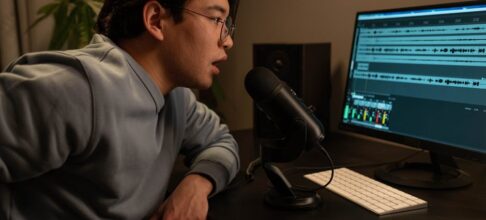
- Integrating fast-turnaround AI-driven audio QC tools such as DescriptAI or Sonix to streamline editing without sacrificing tonal nuance (a process now taking less than half the studio time it did five years ago).
Their founder claims client satisfaction rates have doubled since adopting these iterative feedback loops—a claim backed informally by repeat business growth logged since mid-2021 across education sector contracts alone.
Narratives Carried Across Borders—and Platforms
That last point matters because so much contemporary demand is transnational by nature: Viber sticker packs voiced locally; Instagram Reels featuring famous Sarajevo podcasters; even international aid videos needing credible accents so donors believe what they’re seeing truly comes "from home." In many workflows observed recently—from small teams prepping Kickstarter promos for indie documentaries to large NGO comms departments—it’s now routine to stress-test scripts against both domestic earworms and diaspora nostalgia triggers before sign-off.