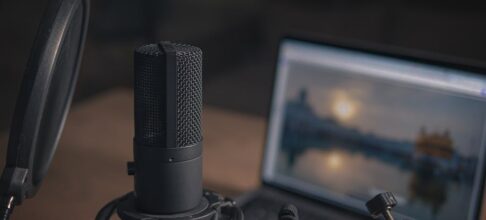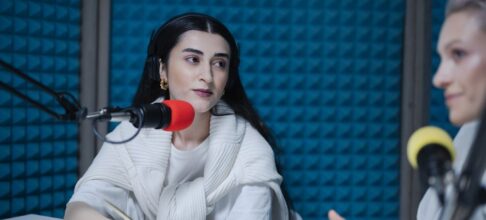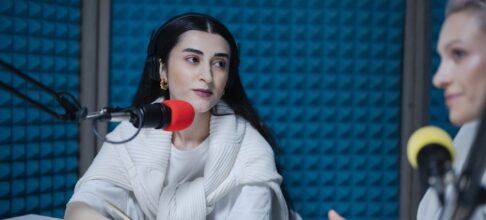
In the shadow of Avenida Paulista’s broadcast towers, a voice actor named Rodrigo sits in a glass booth, headphones pressed tight. It’s , but nothing feels futuristic about this studio—at least at first. Yet outside his recording window, the entire Brazilian Portuguese voice over market is shifting beneath his feet. Technology and culture are colliding.
The Case of Netflix Brazil: When Localization Outpaces Legacy
A decade ago, the big money came from telenovelas and national advertising spots. São Paulo studios like Vox Mundi and Centauro were built on that foundation; their workflows revolved around legacy ISDN lines and marathon sessions with directors barking notes through tinny intercoms.
But as international streaming platforms like Netflix entered the scene—Netflix Brasil launched its first major local original in —the landscape changed overnight. By mid-, roughly % of dubbed content requests for these platforms were not just for global blockbusters but for international originals requiring nuanced Brazilian Portuguese performances. Workflows ballooned: one mid-sized dubbing house reported managing + simultaneous series dubs per quarter, up from maybe a dozen in .
Here’s the twist: while budgets grew, turnaround times shrank. To meet demand, some studios adopted cloud-based collaboration tools (like VoiceQ or Ooona) to coordinate actors working remotely from Porto Alegre to Recife—a practice unthinkable pre-pandemic.
Gaming Studios and Remote Direction: A New Workflow Standard?
In gaming, things move even faster—and riskier. Take the case of Wildlife Studios in São Paulo. In late , they rolled out a mobile game with over spoken lines localized for Brazil alone. Instead of traditional studio lock-ins, they experimented with remote casting calls and live direction via Discord channels. This hybrid workflow trimmed project timelines by up to %, according to their localization manager Ana Souza.
But it also brought new headaches: consistency checks became more complex when half your talent is recording in home closets using USB mics purchased during lockdowns (a common pattern post-). Quality control now means wrangling everything from regional accents drifting into Rio de Janeiro territory to audio artifacts picked up by ceiling fans.
When AI Voices Enter the Booth (And Who Stays Outside)
By early , synthetic voice technology crept in—not so much as a replacement but as an augmentation tool for Brazilian Portuguese projects with tight deadlines or minor characters. A localization agency in Lisbon handling pan-Latin American e-learning courses used Respeecher’s AI models to prototype temp tracks before bringing real actors onboard—a step that reportedly cut initial prep time by nearly half compared to manual scratch recordings.
Some São Paulo ad agencies tested ElevenLabs’ synthetic voices for background roles on digital campaigns where “authenticity” was less critical than speed or budget constraints. But no serious player would dare use them for high-profile TVC work; brand managers still recoil at anything that sounds less than unmistakably human—especially given Brazil’s fiercely competitive media environment where audience connection is gold.
Bureaucracy Meets Technology: The Union Angle
There’s another undercurrent here rarely discussed outside industry circles: union influence remains strong. SATED-SP (the São Paulo union representing professional voice actors) stepped up lobbying efforts in late against unchecked use of synthetic voices for major productions without proper credit or compensation structures in place. Most mainstream studios avoid full automation partly due to these negotiations—a dynamic reminiscent of similar SAG-AFTRA debates seen recently in Los Angeles.
Regional Nuance vs Global Efficiency: The Unresolved Tension
For all the automation promises—from session scheduling bots to automated lip-sync algorithms—the reality on the ground remains messy. In Fortaleza last year, a children’s animation project run by a boutique agency ran into problems after outsourcing preliminary dubbing passes to AI tools based on European Portuguese data sets; several jokes landed flat due to subtle intonation differences lost in machine translation layers.
Experienced local directors were eventually called back for pickups—doubling costs but restoring authenticity that only lived experience provides. It’s an old story retold through new tools: efficiency versus nuance rarely resolves cleanly when language is this alive.
What Tomorrow Might Actually Sound Like (Spoiler: Not Just Robots)
So what does tomorrow sound like? If you believe startup pitches at events such as Rio2C or Siggraph Latin America, it’ll be near-instant synthesis and globally coordinated teams running off cloud dashboards—an Uberization of the booth itself.
Yet walk into Alcatéia Audiovisual's control room on any given Thursday and you’ll find script editors marking up dialogue sheets by hand while an actor sweats through twenty takes for a single line (“Mãe!”). Remote direction may be here to stay, but creative trust—the bond between director and performer—is stubbornly analog.
Data Points From the Ground Up:
• Between –, São Paulo-based dubbing studios saw project volume jump by at least % as streaming demand soared (according to informal tallies shared at SET Expo).
• At least four out of ten commercials airing regionally now require re-records for demographic targeting beyond standard “paulistano” registers—meaning more granular attention paid to accent modulation than ever before.
• As of Q1 , no top-five ad agency risked deploying fully synthetic main character voices on prime-time campaigns—but nearly all had piloted AI-assisted workflows internally for pitch videos or rapid prototyping purposes.
• Average rates for leading Brazilian voice artists rose modestly (about %) since pre-pandemic levels despite automation fears; premium human performance remains king where emotion sells product or story.
Legacy Voices Still Echo – And Not Always Comfortably
It would be easy—and wrong—to predict the end of traditional craft here anytime soon. Rodrigo finishes his session as he always has—with three alternate reads just-in-case—and heads home while his files sync automatically across three continents thanks to cloud storage agreements inked during Covid- disruptions.
Meanwhile, junior producers sift through audition reels submitted overnight by actors from Minas Gerais who have never set foot in São Paulo studios yet now compete directly thanks to remote pipelines normalized since lockdowns lifted in early .
The next era isn’t binary—it’s collision and coexistence all at once:
one foot planted firmly on tradition,
the other stepping gingerly into digitized workflows whose limits aren’t entirely clear even now.