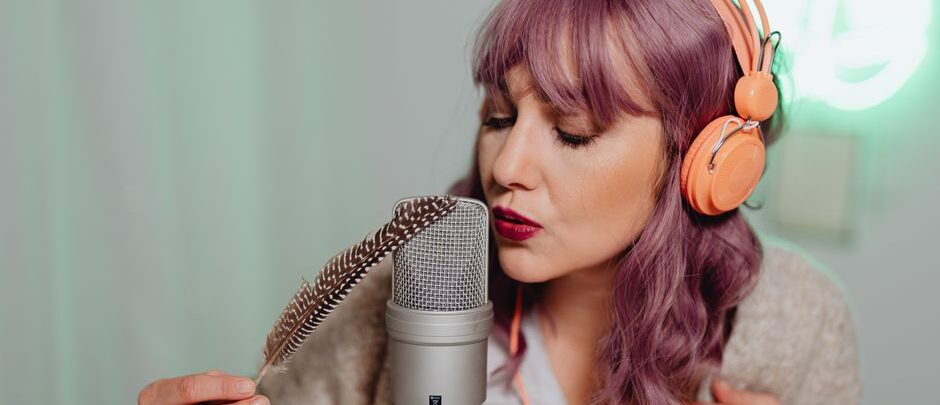
A few years ago, when Audible Australia launched its first original drama series, the casting call didn’t circulate in public forums or acting schools. Instead, it landed quietly in the inboxes of a handful of trusted voice talents—veterans like Paul Davies and rising actors from Sydney’s tight-knit post-production scene. Behind every campaign, audiobook, or animated short that features an Aussie accent lies a mosaic of decisions: who voices what, where the sessions happen (sometimes in suburban garages retrofitted with egg-crate foam), and how producers weigh local colour against international clarity.
The friction at the heart of this world is not just about getting the right sound; it’s about reconciling authenticity with market reach. In , Netflix ANZ commissioned several children’s animations from Melbourne-based Studio Moshi. At first, directors wanted broad Australian accents to establish local flavour. But when feedback rolled in from Los Angeles—where global distribution teams felt young viewers in North America might struggle—the accents were dialed back to something closer to “neutral global English.”
#### Where Real Voices Meet Real Budgets
If you step into the offices of SCA Studios in Brisbane on a Wednesday morning (peak recording day), you’ll find a workflow defined by pragmatism as much as artistry. The project manager juggles spreadsheets tracking ongoing radio campaigns for Coles and Qantas. Scripts often land at am; by 4 pm files are already being FTP’d across town for editing before they’re sent off to clients—and sometimes to agencies as far away as Auckland. Turnaround isn’t just rapid; it’s relentless.
An engineer I spoke with estimated that nearly % of commercial voice over work for national brands now involves remote session direction via Source-Connect or Cleanfeed, especially since COVID upended studio routines in . This shift has created new opportunities for regional talent but also new headaches: patchy home internet can scuttle an entire afternoon’s schedule.
#### Local Nuances That Never Make It On Air
Australian Voice Over isn’t about Crocodile Dundee-style exaggeration—unless that’s exactly what’s asked for (and yes, Toyota’s “Oh What A Feeling” campaign did briefly revive this trope back in ). More often, subtlety rules. A Sydney-based localization team working on Ubisoft's "Far Cry" franchise described spending days calibrating just how much larrikin charm their NPCs could carry before they risked veering into cliché or unintelligibility overseas.
Script adaptation is another hidden layer: a single phrase like “flat out like a lizard drinking” might be swapped for something more universal (“super busy”) before an e-learning module goes out to Singaporean students. In practice, most corporate narration recorded for APAC markets uses what insiders half-jokingly call "Qantas English": crisp but warm vowels; no sharp regionals.
#### The AI Tension Is Real—But So Are Human Voices
By late , several Australian ad agencies—including Thinkerbell and CHEP Network—had begun dabbling with AI-generated voice overs for internal drafts and mood boards. However, none reported fully replacing professional human talent for final outputs destined for TV or radio broadcast. One producer at Thinkerbell confided that while AI speeds up early-stage pitching (saving perhaps -% on initial costs), clients still insist on recognizable personalities—a trend mirrored globally but with unique sensitivity Down Under.
Meanwhile, platforms like Voquent and Voices.com have seen registrations from Australian voice artists double since pre-pandemic times, signaling both increased demand and competition in the freelance pool.
#### Case Study: Kid-Friendly Branding Gets Complicated Fast
In mid-, Bunjil Place Theatre in Melbourne collaborated with a local animation house to produce educational shorts promoting Indigenous culture to primary school kids nationwide. The team initially cast only Aboriginal narrators from Victoria—but feedback from Queensland teachers prompted them to record alternate tracks featuring speakers from different language groups so children could hear voices more similar to those at home.
This meant each episode required three separate recording sessions and complex rights negotiations—a process far more intricate than typical commercial jobs but one which led to overwhelmingly positive responses from educators across multiple states.
#### Numbers Hidden Beneath the Soundtrack
Industry insiders estimate Australia’s voice over sector now accounts for roughly $ million AUD annually—a figure that includes everything from gaming dialogue recorded at BigSound Studios in Perth to corporate e-learning voiced by freelancers operating out of Hobart apartments.
Anecdotally, between – there has been a measurable uptick—perhaps as high as %—in demand for regional dialect specialists thanks to streaming content expansion and public sector accessibility mandates requiring more diverse representation in government messaging campaigns.
#### A Final Word From Behind The Booth Door
No two sessions play out alike: sometimes it takes five minutes; sometimes six hours of retakes because a single word triggers debate among agency executives scattered across time zones—from New York ad buyers dialing into Zoom calls at midnight Sydney time to Tokyo brand managers weighing subtle inflections no algorithm can yet replicate convincingly.
What remains constant is this: behind every familiar jingle or soothing narrator guiding you through your bank app is an ecosystem balancing creative ambition against commercial urgency—and always tuned ever so slightly towards both homegrown resonance and international listenability.