Frustration is where most journeys into the Balkan voice over scene begin. For all the glossy global content pumped out by streaming giants, finding authentic Albanian audio can feel like a hunt for a rare vinyl in an era of Spotify. The demand is there—Netflix listed Albanian on its language roadmap as early as —but actual projects remain staggeringly niche compared to Spanish or Polish localization. And yet, when they happen, the process is anything but simple.
A Dub in Tirana: Where Theory Meets Chaos
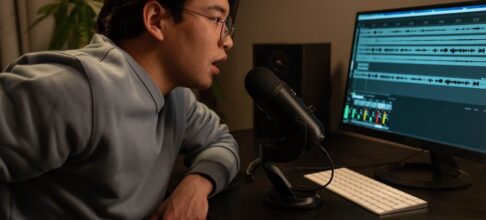
Walk into a modest studio off Rruga Kavajës in central Tirana and you’re likely to find producer Erjon Mera sifting through casting reels for an insurance commercial—his phone already buzzing about next week’s animated series pilot. This isn’t LA or London; here, workflows are improvised more often than not. A typical setup involves two Neumann TLM mics, one Adobe Audition station, and a WhatsApp group chat where scripts are pinged at midnight from Germany-based clients.
Albanian voice over work is rarely glamorous at entry level. The first thing most newcomers notice? There’s no pool of seasoned union talent to pick from. Studios like Dubbing Brothers (Paris) or VSI Berlin can tap hundreds of native speakers for French or German dubs; in Albania, crews sometimes scramble just to source four distinct male voices who can handle both gritty drama and children’s animation.
Why Is Albanian So Tricky?
Partly it’s scale: fewer than 6 million speakers worldwide, mostly split between Albania and Kosovo, with significant diaspora clusters in Zurich and New York City. But it’s also cultural nuance—dialectal differences between Tosk (south) and Gheg (north) mean that even Netflix originals require careful adaptation if they want to avoid awkward mismatches familiar to anyone who watched Italian-dubbed anime in the late ‘90s.
Localization providers like SDI Media noticed this dialect dilemma back in when prepping their first Albanian trailer dubs for Sony Pictures’ Eastern Europe division. Their solution? Build small teams across Pristina and Tirana, then swap samples with diaspora actors sourced via Facebook groups—a workflow that remains surprisingly common today.
Case Study: How an Indie Game Studio Did It Wrong (and Right)
Game localization is notoriously unforgiving of linguistic shortcuts. When Warsaw-based indie outfit Pixel Titans shipped their retro shooter demo with AI-generated Albanian VO tracks last year, feedback was brutal: players flagged robotic intonation and mispronounced place names within hours of release on Steam.
Stung by Reddit criticism—and seeing completion rates drop nearly % among Albanian-speaking testers—the team pivoted fast. They partnered with a Pristina agency specializing in kids’ e-learning modules (where pronunciation drills are routine), sent over context-rich character sheets, and scheduled live remote sessions using Source Connect Standard. By launch month, playtesters were reporting higher immersion scores and positive buzz on Discord forums frequented by Kosovar gamers.
What Actually Happens In A Beginner Project?
Let’s break it down:
- Script arrives (often English or German original). Sometimes it’s riddled with idioms untranslatable into standard Albanian without sounding stilted.
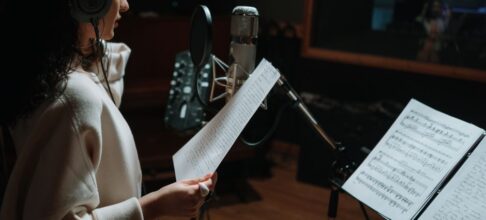
- Casting call: Usually managed via local Facebook pages like “Aktoret Shqiptarë.” Don’t expect hundreds of auditions; oftentimes you get six decent takes per role if lucky.
- Recording: One engineer handles both session direction and file cleanup—think double duty common in budget setups across Eastern Europe since the mid-2010s.
- Review loop: Clients overseas may request three rounds of pickups for minor timing tweaks—a process that can extend final delivery by up to % compared to larger languages because few actors are full-time professionals.
- Mix & master: Final stems delivered as WAV files via Dropbox or WeTransfer; cloud-based review platforms like Frame.io have only recently started showing up in regional workflows.
Dialects Aren’t Just Academic—They Cost Real Money
International agencies underestimate this at their peril. During a recent mobile campaign for Vodafone Albania (), London-based creative shop Mother accidentally mixed Gheg slang into a spot slated for broadcast in Vlorë—a southern city fiercely proud of its Tosk roots. Backlash was swift: local radio stations refused to air the segment until new lines were recorded, resulting in an extra three days’ studio costs and a flurry of apologetic Zoom calls between London creatives and local linguists.
Tools: Old School vs Machine Learning
While much has been written about AI-driven voice synthesis replacing human performers elsewhere, Albanian remains low-priority for major text-to-speech providers—Amazon Polly didn’t add support until late , well after Google Text-to-Speech rolled out versions for Icelandic or Catalan. As a result, smaller studios still lean heavily on Sennheiser gear from the early 2000s mixed with newer DAWs like Reaper or Cubase LE.
But there are exceptions: Sofia-based vendor Interact Ltd began piloting Deepdub’s neural network platform last year after seeing Serbian output quality improve markedly post- update cycles. Early results suggest machine learning could trim recording times by up to %, though human review remains essential due to persistent pronunciation quirks with less-common vowel clusters unique to Albanian phonology.
Getting Your First Gig Isn’t About Talent Alone
A recurring theme among beginners entering this market is underestimating the importance of relationships over reels. In real-world practice—as observed repeatedly at annual events like Festivali i Filmit Shqiptar—the best jobs tend to circulate through word-of-mouth networks rather than open auditions posted online. If you’re serious about breaking in, shadowing established talents during radio ad campaigns or offering pro-bono reads for short films distributed locally on Top Channel pays dividends faster than cold-emailing multinational agencies abroad.
Numbers That Matter: Budgets & Timelines
For reference: average rates per finished minute hover around €– (based on informal surveys among Tirana studios circa autumn ). That’s barely half what you’d see for equivalent Turkish or Greek dubs handled by Athens outfits specializing in pan-Balkan distribution deals since early 2010s streaming booms—but still competitive considering local cost-of-living differentials.
Turnaround times are another headache: while European localization houses promise sub-weekly delivery windows for mainstream languages, expect anywhere from eight days up to three weeks depending on project complexity—and whether your freelance lead gets called away last-minute for a TV promo gig paying cash-in-hand rates still prevalent outside formal contracts across Albania and Kosovo alike.
Beyond Borders: Diaspora Talent Pools Are Key Now
One pattern emerging since pandemic-era remote workflows became normalized: more productions tap into diaspora pools scattered across Switzerland (notably Basel), Italy (Milan), Canada (Toronto), and even Boston-area community theatres known for staging bilingual plays since the early ‘00s migration waves. Platforms like Voquent.com report steady upticks—in the range of –% annually post-—in requests specifically filtering for "Albanian native" tags tied to non-Balkan locations.