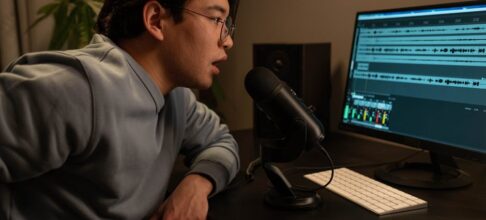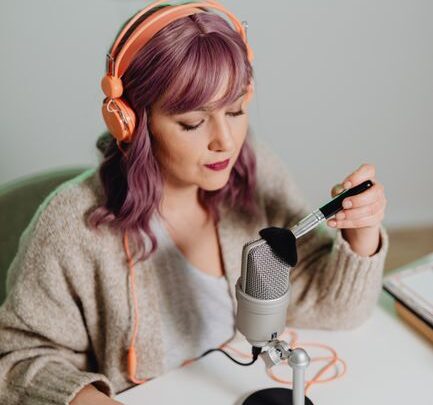
It’s easy to romanticize the recent boom in Filipino voice over—glossy reports call it an “emerging powerhouse” or a “fresh global favorite.” But sit in on a late-night dubbing session at Soundesign Studio in Makati, and the story is less about sudden stardom than about hustling through endless retakes for K-drama localizations. The rise is real, but it’s messier—and more interesting—than most industry pitches admit.
From Radio Drama to Netflix: A Not-So-Straight Line
Filipino voice talent has always been around, from the heyday of radio dramas in 1950s Manila to Tagalog dubs of Mexican telenovelas in the ‘90s. But it wasn’t until after 2016—when Netflix opened its regional office in Singapore and started commissioning Tagalog tracks for anime and Korean series—that things began to shift. Suddenly, what was once relegated to Saturday-morning cartoons became prime-time streaming business. By 2021, some Metro Manila studios reported up to a 60% increase in demand for full-length dubbing projects compared to pre-pandemic levels.
The Pipeline No One Talks About
Here’s where outside observers usually get lost: they imagine a seamless workflow from casting to delivery. In reality, Filipino voice over involves patchwork processes shaped by tight budgets and even tighter deadlines. Take SDI Media Philippines (now part of Iyuno), which handles major localization work for US-based platforms like Amazon Prime Video. Their typical workflow? Multilingual scripts arrive late Friday; casting happens via Viber; remote recording patches together actors working from home closets using borrowed condenser mics.
Sometimes, as one studio manager admitted off record, "We’re still mixing lines on delivery day because someone’s neighbor started karaoke during the final take." It’s scrappy—but so far, clients aren’t complaining.
Game Studios Join the Party (Sort Of)
Oddly enough, big international game publishers were slow to adopt Filipino voice talent despite fluent English skills across much of the country. That changed around 2019 when Ubisoft Singapore piloted Southeast Asian accents for non-player characters (NPCs) in mobile titles aimed at regional markets. While only about 5–10% of dialogue was localized into Tagalog or Cebuano at first, it set off a ripple effect: indie developers like Ranida Games began hiring local actors not just for authenticity but also cost savings compared to US rates.
In practice though? One Taguig-based sound engineer described their process as “part WhatsApp group therapy session, part speed-run challenge,” with files stitched together overnight before upload to Unity or Unreal pipelines.
AI Dubbing Looms Large—But Hasn’t Taken Over Yet
No breakdown would be complete without mentioning the looming presence of AI tools like Respeecher and Replica Studios. If you ask around post-production houses along Tomas Morato Avenue today, you’ll find plenty experimenting with synthetic voices for scratch tracks or background characters—especially since mid-2022, when Western clients started asking for faster turnarounds at lower costs.
Yet among directors who’ve worked on series like "Voltes V: Legacy" (GMA Network), there’s skepticism: “AI can spit out decent narration,” says veteran director Marlon Rivera, “but nuance—the little sarcasm or warmth Filipinos inject—is still missing.”
Language Politics Underneath It All
It’s impossible not to mention language politics here: most high-profile jobs go straight into Metro Manila-accented Tagalog. Visayan and Ilocano speakers remain underrepresented—a sore point among agencies outside Luzon. One Cebu City-based agency described losing out on large contracts because clients feared non-Tagalog inflections would confuse wider audiences—even when projects were supposedly celebrating diversity.
So while headlines trumpet growth figures and success stories, friction simmers below the surface.
Crunching Numbers—Or Trying To
Industry data is notoriously fragmented (the Philippine Statistics Authority doesn’t track voice acting as a standalone category). Still, estimates from trade groups suggest there are now over 800 active professional VO artists in Metro Manila alone—a threefold jump from early 2010s numbers. Mid-size studios report annual project volumes doubling between 2018 and 2023; one Quezon City firm claims they delivered nearly 400 finished hours of content last year across streaming originals and ad campaigns.
Compare that with Poland's well-established VO sector (where Polish dubs are standard for everything from Disney films to PlayStation exclusives), and you see how quickly Manila has closed the gap—with less legacy infrastructure and more improvisation.
Overseas Clients Want In—but Don’t Always Understand Local Nuance
A funny thing happens when agencies from Sydney or Berlin try booking Filipino VO online through portals like Voices.com or Bunny Studio: they expect neutral American English with barely a hint of accent—or sometimes want stylized "Filipino flavor" dialed up cartoonishly high. This disconnect leads to endless retakes or awkward creative briefs (“make it more jeepney driver but still corporate,” went one memo).
One illustrative case: an Australian e-learning company tried launching modules voiced by actors based in Baguio City but backtracked after feedback flagged heavy regionalisms as "too distracting." Instead of adjusting scripts or expectations, they pivoted back to generic American reads—missing what local talent could actually offer if given clearer direction.
Commercial Ads & Social Content Are Quietly Driving Growth Now
While streaming series grab headlines, commercial campaigns have quietly become bread-and-butter work for many artists post-2020 lockdowns. Brands like Jollibee Foods Corporation now commission social video variants in both English and Tagalog almost every week—not just national TVCs but hyperlocal TikTok snippets tailored for Gen Z viewers outside NCR (National Capital Region).
The result? A single campaign might require four different taglines recorded overnight by freelancers juggling home-schooling duties between takes—a pattern echoed at many boutique creative agencies across Southeast Asia dealing with short-form digital content pressure-cooked on two-day timelines.
Training Up—and Burning Out?
With all this demand comes churn: established names like Inka Magnaye hold masterclasses that routinely fill up within hours online; meanwhile Facebook groups such as Voice Artists Philippines ballooned past 30,000 members by late 2023—a tenfold increase since before COVID-19 hit. But industry veterans warn that constant grind leaves little room for training newcomers beyond crash courses on mic technique or basic ADR syncing workflows.
A senior producer at Manila's CreatiVoices Productions puts it bluntly: "We're minting new readers every month but burning them out just as fast when schedules get brutal."
Looking Sideways Instead of Forward
Is this sustainable? Not unless studios invest in better infrastructure—or unless foreign buyers start valuing subtlety over stereotypes when commissioning Filipino voices internationally. A few mid-sized production houses are already hedging bets by cross-training teams in editing software (think Adobe Audition paired with Descript’s AI tools) instead of relying solely on raw vocal performance; others experiment with distributed cloud-based workflows popularized during lockdown years by European partners such as BTI Studios Copenhagen.
That said,
in real-world meetings observed last quarter,
budget remains king—if an AI pass can save half a day's labor,
it gets used,
especially with razor-thin margins on sub-licensed content packs destined for third-tier OTT apps abroad.
The Real Story Isn’t Hype—It’s Adaptation
The narrative isn’t pure triumphalism; it’s adaptation under pressure. Filipino voice over has grown not because conditions are ideal—but precisely because necessity breeds experiments no textbook could predict:
living-room booths padded with egg cartons;
studio runners biking SD cards across EDSA traffic;
directors coaching line reads over patchy Zoom calls while typhoon warnings flash onscreen.
lngenuity trumps formality here—for now.