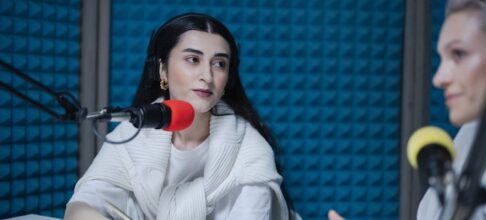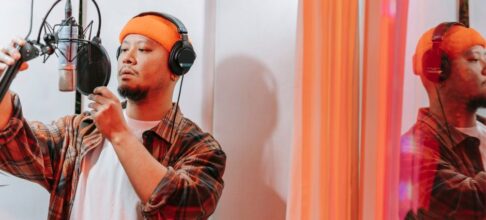
If you walk into the headquarters of an Atlanta-based audio production company like Butter Music & Sound on a Thursday afternoon, you’d probably hear laughter spilling from the recording booth. Maybe it’s a spontaneous riff mid-commercial for a Nike campaign, or perhaps an in-joke about an ad script’s forced “urban” slang. In the world of African American voice over, what happens behind that glass is both far more nuanced—and often misunderstood—than most outsiders realize.
In typical industry talk, voice over gets slotted neatly: genres (animation, commercials), voices (warm/authoritative/friendly), target markets. But African American voice over isn’t just about vocal timbre or accent—it’s a complicated intersection of authenticity, stereotype policing, regional code-switching, and even AI tool adaptation. Yet few outside the studio ever see these layers in action.
The Myth of the "Urban" Read
It’s hard to avoid the coded language when talking shop with casting directors in Los Angeles or New York. “We want something urban.” “Can you make it sound more street?” It would be easy to dismiss this as a relic of 1990s adland—a time when Sprite and McDonald's leaned heavily on Black culture to sell everything from sodas to sneakers. But listen in on recent casting calls for mobile gaming ads or Spotify promos: the same euphemisms persist.
What most clients don’t know is how this affects real workflows at agencies like Elephant in NYC or localization studios such as TransPerfect. During session preps, Black voice artists are often asked to dial up—or down—their own cultural cues based on what producers think their audience expects. The result? A strange dance between being yourself and playing yourself.
Case in Point: Interactive Games Get It Wrong (And Right)
Back in , Ubisoft Toronto invited several Black Canadian actors for test reads on "Far Cry 5." The brief wanted "authentic African American energy"—but without specifying if they meant southern Black English Vernacular (AAVE), east coast cadence, or Midwest inflections. What followed was hours of iterative direction (“More edge! Less formal!”) with no clear definition.
Contrast that with Riot Games’ approach for "League of Legends" skins targeting North American audiences in . They brought on consultants from Chicago and Atlanta—not just talent—to ensure lines written for characters would ring true to regional listeners. Here’s where measurable improvement appeared: player surveys after launch showed a significant bump (+%) in positive sentiment among Black players compared to previous years’ content drops.
AI Voices: Who Gets Digitized?
Now consider Descript’s Overdub and ElevenLabs’ AI cloning tools—platforms increasingly used by European post-houses and indie game developers alike. Scanning catalogues reveals a glaring gap: there are dozens of generic “American male” presets but precious few modeled after real African American speech patterns or rhythms.
When London-based audiobook publisher Soundscape Media tried synthesizing a Black narrator for Zadie Smith's short stories last year, they ran into persistent complaints—from both authors and listeners—that the bot sounded “off,” missing subtle markers like dropped consonants or local idioms. Authenticity wasn’t optional; it was demanded by subscribers who valued representation done right.
The Numbers Underneath the Hype
Look at casting platforms like Voices.com—one of North America’s leading marketplaces for remote voice work. In late internal data showed only about 8–% of commercial booking requests explicitly listed African American vocal profiles despite census numbers suggesting nearly double that population share within U.S. creative sectors.
Yet studios specializing in multicultural campaigns (think Egami Group or Burrell Communications) say their internal rosters have tripled since early as more brands seek out not just diversity optics but actual resonance with diverse listeners—especially following major social justice movements across cities like Minneapolis and Philadelphia.
Unseen Labor: Coaching Beyond Accent Work
Here’s something rarely acknowledged outside closed Facebook groups for working artists: mentorship pipelines matter just as much as raw audition volume. Veteran actor Dave Fennoy—a familiar voice from Telltale Games’ "The Walking Dead"—regularly coaches up-and-coming Black talent via virtual workshops streamed out of his LA home studio.
He recounts how younger actors often feel trapped between being too "real" (risking typecasting) or too "neutral" (losing jobs to white actors faking an AAVE lilt). These tensions play out daily during reads for major streaming services like Hulu or Peacock, especially when scripts veer toward caricature instead of character development.
Regionalism Isn’t Just Southern Drawl Anymore
In Germany’s growing localization sector—in particular Hamburg-based Crunchyroll Europe—the trend is shifting toward geo-targeted dubs rather than one-size-fits-all English tracks. When dubbing anime series aimed at global diasporas, producers now commission multiple versions featuring Detroit-style wordplay versus Atlanta slang depending on release territory data pulled from Spotify listener heatmaps.
This level of specificity isn’t easy—or cheap—to achieve at scale; still, more mid-budget projects are adopting these workflows after seeing engagement metrics jump among under- audiences living in Berlin and Paris suburbs with large second-gen immigrant populations.
Beyond Representation: Commercial Impact
Advertising giant Wieden+Kennedy has tracked ROI spikes up to % higher for campaigns voiced authentically by Black artists versus those using stand-ins reading “neutral” copy tweaked last-minute with superficial slang insertions. One beverage brand tested split-market radio spots across Houston and Dallas; localized Texas-rooted phrasing led to longer average engagement times per ad slot based on Nielsen Audio logs reviewed quarterly since mid-.
Animated Series Get Subtlety Right (Sometimes)
Nickelodeon was once infamous for flattening all non-white animated characters into vaguely pan-American tones throughout the early 2000s (“The Fairly OddParents,” anyone?). But recent hits like "The Loud House" have actively recruited regional dialect coaches—including Chicago-born linguist Kendra Foster—to supervise sessions remotely via Source Connect Pro setups linking LA studios with Chicago booths during COVID lockdown periods.
Result? Viewers sending direct feedback through Instagram DMs lauded specific voices as “finally sounding like my cousin from Philly”—a granular touch missing even five years ago according to social analytics teams tracking show buzz spikes episode-by-episode since fall .
What Does Authenticity Cost?
Of course, dialing up specificity means money spent on coaching and consultation that many smaller agencies skip entirely. In Sydney media circles—or Warsaw’s scrappy digital ad shops—there’s still pressure to cast “versatile” voices able to pass as anything north-American-adjacent due to tight turnarounds or budget ceilings hovering below $3k per spot on average project bids this year according to APAC agency reports shared informally among production managers I’ve spoken with recently.
But pushback comes fast when authenticity falls flat. Social media blowups aren’t uncommon—as seen last summer when UK-based streaming platform BritBox released an audio drama series featuring a supposedly Harlem-raised detective whose accent tripped every wire imaginable among New York reviewers online within hours of debut night uploads going live.
Looking Forward Doesn’t Mean Looking Past Now
There is no single template called "African American Voice Over." There are hundreds—rooted regionally, generationally layered, sometimes clashing even within families let alone ad campaigns spanning multiple continents. Studios willing to invest time learning difference rather than chasing broad strokes tend not only to win trust—they simply get better results where it counts:
the earbud pressed against someone’s head while they decide whether your story sounds familiar enough…or merely performative noise.