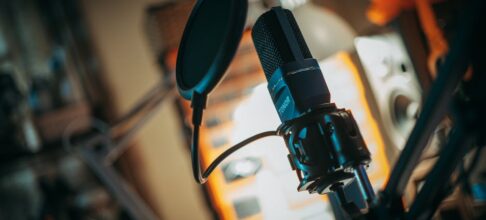
There’s a strange kind of silence in the Copenhagen post-production suites these days—a silence broken only by the delicate calibration of microphones and the soft, deliberate cadence of Danish voice actors. Not so long ago, Danish was considered a linguistic niche in global media production, often sidelined in favor of larger languages like German or French. But something shifted—quietly, but unmistakably—over the last decade.
It began with gaming. In , Playdead’s indie hit “Inside” struck an unexpected chord abroad, but its native-language soundscape gave it an authenticity that international fans craved. Localization companies such as Keywords Studios started to notice a slow uptick in demand for high-quality Danish voice overs—not just subtitles—to enhance user immersion for Nordic releases. By , according to industry insiders at Nordisk Film Games’ Copenhagen headquarters, requests for full-cast Danish dubbing had increased by about % year-on-year for their interactive titles.
The Netflix Effect (But Make It Danish)
Streaming platforms are notoriously data-driven. When Netflix expanded its Scandinavian originals slate around –, executives noticed something odd: titles like “The Rain” performed significantly better among local audiences when offered with professional voice-over tracks rather than relying solely on subtitles. Viewership completion rates—an internal metric closely guarded by streaming giants—saw double-digit bumps in Denmark compared to previous subtitled-only releases.
The reason? A senior content manager at Netflix’s Amsterdam regional office recounted how user feedback highlighted the value of hearing relatable voices—a subtle distinction from simply reading along. To keep up, Netflix contracted several Copenhagen-based studios such as SDI Media and Adaptor Translations to produce original Danish VO tracks at scale.
Microphones Behind Closed Doors: Workflow Realities
In practice, producing a high-impact Danish voice over isn’t just about reading lines into a microphone. At Agency X in Aarhus (a boutique creative audio house), directors often work hand-in-hand with linguists and cultural consultants to ensure idiomatic accuracy—a process that sometimes stretches recordings over multiple days per episode. One recent campaign for a US-based e-learning platform required not only translation but adaptation: technical jargon had to be reworked so it would feel natural for a Danish audience accustomed to English loanwords but sensitive to nuance.
A typical workflow here involves iterative scripting sessions using collaborative cloud tools like VoiceQ and Pro Tools integrations; files are then delivered directly into the client’s content management systems within hours—a turnaround speed that would have been unthinkable five years earlier.
Branding and Commercials: More Than Just Subtitles on TV2
Walk into any commercial break on TV2 or DR1 today and you’ll hear it—the subtle shift away from dubbed English ads toward fully localized campaigns voiced by familiar Danish personalities. Large agencies like Robert/Boisen & Like-minded now routinely allocate up to % of their campaign audio budgets specifically for bespoke voice recording sessions targeting different regions within Denmark itself.
One fast-moving consumer goods brand recently tracked ad recall rates after switching from generic Scandinavian-neutral narration to regionally tailored Danish voice work produced in Odense; recall jumped by nearly %, driving additional spend across all broadcast markets.
Learning With Your Ears: EdTech’s Quiet Revolution
EdTech platforms have made some surprising discoveries as well. At Clio Online—a leading digital education provider based out of Copenhagen—executives describe how integrating professionally recorded native-language audio modules has led to measurable improvements among primary school students learning STEM subjects remotely. "We initially piloted synthesized TTS (text-to-speech) solutions," explains Clio’s head of content localization Maria Thorsen, “but quickly realized our engagement rates were flatlining.”
After switching to studio-recorded human narrators—many sourced from Denmark’s vibrant theater community—they documented a % increase in lesson completion rates across grades three through seven during the pandemic lockdown period of –.
AI Enters the Studio (But Humans Still Steer)
It would be naïve to ignore technology’s growing footprint here. Synthetic voices powered by AI providers like Respeecher or LOVO have begun creeping into corporate explainers and app tutorials where speed trumps artistry. However, in real-world agency workflows observed at Adapt Media Group (Stockholm with a branch office servicing Jutland clients), project leads still insist on final passes with live actors for flagship projects—or even hybrid approaches blending AI-generated placeholder reads with human overlays for emotional resonance.
This hybrid model allows faster prototyping but reserves the nuanced delivery and regional flavor that only trained professionals can bring—especially crucial when targeting local audiences who are quick to spot anything artificial or tone-deaf.
Gaming Beyond Borders: Embracing Multilingual Voice Worlds
While AAA franchises typically focus on major European languages first, mid-sized studios like Bedtime Digital Games (Aalborg) have found success exporting their titles beyond Scandinavia by investing early in authentic native VO pipelines—including full-cast Danish performances used both domestically and as tonal guides for other localized versions downstream.
During development sprints for “Figment 2,” producers implemented weekly review cycles where both scriptwriters and external localization reviewers participated via shared VoIP channels—a workflow pattern increasingly common since remote work became standard post- across Nordic studios.
This collaborative approach yielded more consistent quality across language variants—and allowed smaller teams to punch above their weight internationally without sacrificing cultural specificity at home.
The Undercurrent No One Predicted: Corporate Training Materials Get Personal
Few outside HR departments realize just how much corporate training happens behind closed doors—in insurance offices near Silkeborg or manufacturing plants outside Esbjerg—but here too, the demand for natively voiced e-learning modules has taken off quietly yet decisively over recent years. Local production shops like SpeakOnline.dk report annual growth rates above % since mid- specifically in B2B onboarding projects demanding tailored regional dialects within standard Danish narration frameworks.
Feedback loops integrated via LMS analytics have shown reduced error rates during compliance testing phases after rolling out custom-voiced modules versus imported English ones—with one logistics firm noting a drop from % failed assessments pre-localization down to just under 7% post-rollout.
Sidelined No Longer: From Marginal Utility To Market Expectation
There was once skepticism that investing heavily in specialized language tracks would pay off anywhere outside big-budget film or television circles—even inside Denmark's own agencies circa early 2000s. Today? Not providing professional-grade local narration is seen less as cost-saving pragmatism and more as reputational risk—particularly when competitors are willing to go the extra mile for auditory relatability.
Anecdotally, project managers at established houses such as SDI Media claim client-side RFPs explicitly request named native talent rosters up front now—a far cry from generic casting sheets circulated just ten years ago when Danish was rarely prioritized outside children’s programming blocks on DR Ramasjang or niche festival films premiering at CPH PIX.