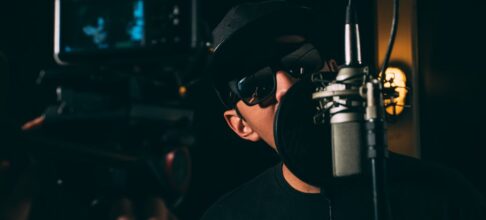
What is German Voice Over?
German voice over is the process of recording spoken content in the German language to replace or complement the original audio track in media. It is widely utilized in films, TV shows, commercials, corporate videos, video games, and audiobooks. Given Germany’s large population and economic influence within the European Union, producing content in flawless German voice over is crucial for localizing media and reaching millions of native speakers.
---
Step 1: Understanding the Target Audience
Every successful voice over begins with understanding the target audience. German is spoken by over million people worldwide, so it’s essential to consider regional dialects, accents, and formality levels:
- Standard German (Hochdeutsch): Commonly used in business and media.
- Swiss German or Austrian German: Variants used in Switzerland and Austria respectively.
- Regional Accents: Bavarian, Saxon, and Berliner accents can give authenticity depending on your project.
- Gender and Age: Match voice actor demographics with your target audience.
- Accent: Choose whether a standard accent or regional dialect better fits your project.
- Voice Tone and Style: Friendly, authoritative, casual, or formal voice style impacts audience engagement.
- Experience: Experienced German voice talents understand pacing, pronunciation, and emotion better.
- Adapting Idioms and Expressions: Certain phrases don’t translate literally; adapt to local expressions.
- Sentence Structure: German sentence construction can differ significantly from English or other languages.
- Tone and Formality: Match formality levels (Sie vs. Du) based on the audience.
- Length and Timing: German words may be longer, so adjust script length to fit video length.
- Professional Studio Setup: To ensure crisp, clear sound without background noise.
- Directed Recording Sessions: The director should guide the voice actor on tone, emotion, and emphasis.
- Multiple Takes: Recording several versions to choose the best fit for the project.
- Synchronization: Sometimes voice over needs to sync perfectly with on-screen talent or lip movements, especially in dubbing.
- Noise Reduction and Audio Cleanup: Remove hisses, pops, or ambient noise.
- Equalization and Compression: Enhance vocal clarity and consistency.
- Timing Adjustments: Ensure the voice over aligns seamlessly with visual cues.
- Mixing with Background Music and Effects: Blend with other audio tracks for immersive results.
- Proofreading: Confirm all text is correctly voiced with no mispronunciations.
- Technical Checks: Verify audio format, bitrate, and compatibility.
- Client Feedback: Provide samples to clients for approval and implement necessary changes.
- Compliance: Ensure all legal and copyright compliances are met, especially for licensed content.
- Enhanced Global Reach: German is a strategic language for European markets.
- Improved Audience Engagement: Native speakers connect better with localized content.
- Higher Credibility: Professional voice overs reflect brand quality and reliability.
- Better SEO and Accessibility: Voice content helps boost search engine rankings and accessibility for the hearing impaired.
Knowing your audience shapes the tone, accent, and style of the voice over, ensuring it resonates well with viewers or listeners.
---
Step 2: Selecting the Right Voice Talent
The choice of voice actor is crucial in German voice over projects. Here are important factors to consider:
Hiring native German speakers ensures natural pronunciation and fluency that non-native speakers might lack.
---
Step 3: Script Preparation and Localization
Effective German voice over requires more than just a direct translation of your original script. It involves localization that reflects cultural nuances:
Working with a professional translator and editor familiar with German culture is essential in this stage.
---
Step 4: Recording the Voice Over
This step involves the actual capture of audio from the voice talent. Key considerations include:
Using high-quality microphones and audio equipment facilitates professional audio output.
---
Step 5: Post-Production and Audio Editing
After recording, audio files undergo editing to prepare the final product:
Professional audio engineers handle this delicate process to maintain quality and naturalness.
---
Step 6: Quality Assurance and Client Review
Before final delivery, conduct thorough quality checks:
A rigorous QA process guarantees the final voice over meets or exceeds expectations.
---
Benefits of Professional German Voice Over Services
---
Conclusion
A deeper look into the German voice over process reveals that it is a meticulous, multi-step journey requiring linguistic expertise, technical skill, and cultural sensitivity. By carefully selecting voice talent, localizing scripts, and delivering polished audio, businesses and media producers can harness the power of German voice overs to captivate audiences and expand their reach in the German-speaking world.
If you are looking to create authentic German voice over content, partnering with experienced professionals who understand each step is the key to success. With the right approach, your project will not only sound natural but also truly resonate with your target audience.
---
Ready to bring your content to life with authentic German voice over? Contact us today to get started!