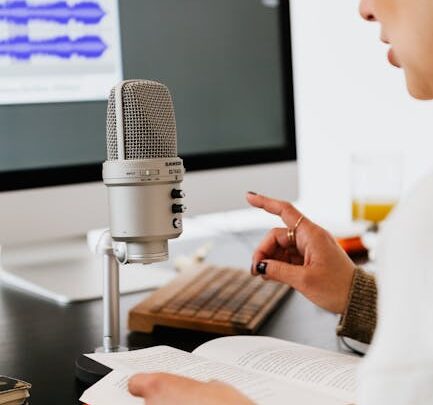
The last time I sat in a dubbing suite in Dubai, the director paused mid-sentence to debate whether a villain’s threat sounded too formal for Egyptian teens. This is the reality: every syllable becomes political, cultural—and yes, commercial. Arabic voice over isn’t just sound; it’s gatekeeping, storytelling, and soft power all at once.
Cairo as a Crucible (And Not Always the Gateway)
For decades, most international content funneled through studios in Cairo—especially after the 1970s when Egyptian TV dramas started dominating Ramadan screens from Casablanca to Muscat. But by , Netflix’s regional expansion was already straining that old model. Suddenly Lebanese and Emirati voices were in demand for dubbed series like "Stranger Things," as platforms discovered pan-Arab audiences wanted more than one dialect. In practice? Localization agencies like Mazaji Media in Beirut now regularly field requests for both Modern Standard Arabic (MSA) and Levantine variants on a single project—a workflow headache that would have been unthinkable ten years ago.
The Unseen Labor of Adaptation
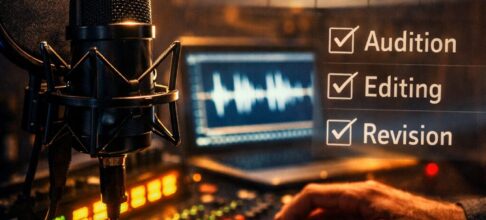
When Amazon Prime launched "The Wheel of Time" across MENA markets in late , they didn’t just translate scripts—they auditioned dozens of native speakers from Morocco to Oman. A real sticking point emerged: should key characters sound classically neutral or regionally colored? Dubbing leads at Egypt’s Alkarma Studio described sessions dragging on twice as long compared to English-Spanish jobs because directors kept revisiting subtle tone shifts (“a medieval queen cannot sound like your aunt in Amman”).
It’s not uncommon for projects targeting GCC countries to record two separate tracks: one in MSA for universal understanding, another with Gulf inflections for ad campaigns or social cutdowns. A recent campaign for Etisalat by Virtue Worldwide used three distinct voice talents just to cover UAE, Saudi Arabia, and pan-Arab satellite TV—a pattern that’s become almost routine among telecoms since about .
When AI Meets Dialect (and Pushback Ensues)
AI-powered tools are encroaching fast—companies like Respeecher claim their synthetic Arabic models can generate convincing voice overs at scale. But so far, big players seem hesitant to let go of human nuance entirely. In a pilot run by an Istanbul-based localization tech startup (whose client list includes StarzPlay Arabia), producers reported that automated MSA dubbing reduced costs by nearly % but failed test screenings due to flat emotional delivery—especially with comedic timing or local slang.
Moroccan production houses have also begun experimenting with hybrid workflows: first-pass reads by AI, then punch-up sessions with actual actors adjusting rhythm and colloquialisms. It saves hours but doesn’t eliminate the need for someone who knows what “yalla” should really sound like when shouted across a souk.
Gaming's New Frontier: From Riyadh Controllers to Global Streams
One overlooked zone? Interactive entertainment. In real-world game localization cycles observed at two Riyadh-based studios working on mobile RPG adaptations, casting directors face an odd double bind: use neutral Arabic for reach or employ Saudi-specific accents favored by younger gamers? According to informally tracked feedback channels (Discord chats mostly), users under consistently request voices that “sound like home”—even if it means alienating North African players.
Ubisoft Abu Dhabi reportedly saw engagement metrics jump –% on their title update after switching several NPC voices from generic MSA to urban Khaleeji lingo—a small but telling data point echoed elsewhere in the industry.
The Power—and Limits—of Familiarity
Why does this matter beyond screen credits? Because advertisers tie millions of dollars annually (regional estimates range from $120M–$200M spent on localized audio-visual assets per year) directly to audience resonance metrics. Streaming giants measure session duration spikes post-dubbing changes; brands obsess over minute variations in clickthrough rates when a promo swaps out an unfamiliar accent.
Still, there are limits. One executive at Dubai-based RedFilo Productions summed it up bluntly last winter: “If you make Iron Man talk like he’s from Giza instead of using classical Arabic… you risk memes instead of market share.”
Uncomfortable Conclusions from Real Campaigns
In truth, there is no ideal Arabic voice over—only endless negotiation between authenticity and reach. Every project involves tension: budgets versus nuance; speed against subtlety; what sounds ‘real’ versus what sells best across four time zones and twenty dialects.
But here’s what doesn’t change: somewhere between downtown Amman radio ads and Netflix originals streaming into suburban Tunis living rooms sits a booth where an actor sweats over whether “habibi” lands as loving or sarcastic this time around. The influence may be growing—but so are the headaches.