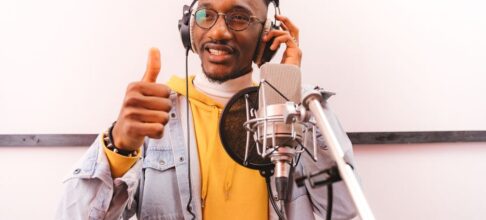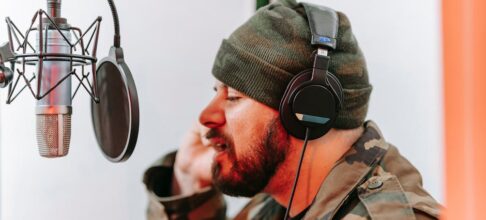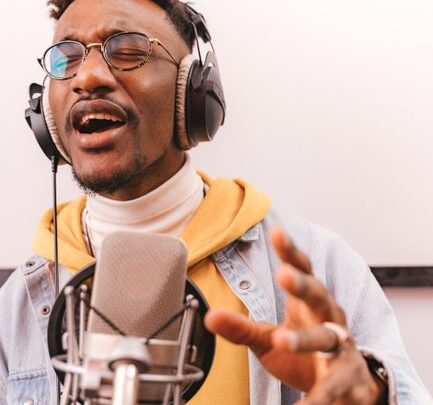
The Sound of Specificity — and Who Gets To Decide
The biggest myth about African American Voice Over is that it’s simply about hiring a Black actor. In practical terms—especially for commercial campaigns and streaming originals—the creative brief often asks for "urban," "real," or even "Gen Z Black." But these cues get filtered through layers: ad agencies, casting directors unfamiliar with vernacular nuance, and clients who may have never set foot in Detroit or South Side Chicago.
In Netflix’s ramp-up to original content around 2017–2020, there was an internal push for more “authentic” voices across animated series targeting young adults. Yet several LA-based production coordinators I spoke with described how sessions would get derailed by feedback like “can we make this sound less street?” or “can we split the difference between urban and mainstream?”
So what makes a voiceover performance specifically African American? It isn’t always about dialect—it can be rhythm, warmth, improvisational phrasing. A 2022 panel at the VO Atlanta conference saw veteran talents like Mykeah Simpson dissecting how lines written as generic slang could ring false if not grounded in lived experience.
Invisible Labor: Coaching Voices into Boxes
A recurring pattern at mid-tier studios—take Oakland’s Studio Trilogy—is that Black voice actors are routinely asked to provide two reads: one their own (natural), one "neutral" for comparison. Producers claim this doubles their options; talent reps grumble it doubles emotional labor.
Historically, some of this comes down to the legacy of broadcast-standard English. Even after Don LaFontaine popularized cinematic trailer narration in the '80s—a style widely imitated by all ethnicities—the industry rarely credited Black performers with range beyond the archetypes: sassy sidekick, soulful narrator, comic relief.
By the late 2000s, video game studios like BioWare began seeking African American actors for major roles (see Mass Effect 2). But scripts still defaulted to stereotypes unless rewritten by consultants with actual community ties.
Case Study: Localization Gets Personal in Paris
Here’s where things get quietly complicated overseas. A localization firm in Paris worked on dubbing an animated series originally produced in Atlanta for HBO Max. The French team needed not only native French speakers but also people who could convey subtleties of African American Vernacular English (AAVE) through intonation alone—since literal translation would lose cultural depth.
They hired second-generation Senegalese-French actors from Marseille’s hip hop scene, then brought over an Atlanta-based dialect coach via Zoom for remote sessions—three hours each over two weeks per episode. This hybrid workflow increased costs by nearly 20%, according to project manager Sophie Laurent—but yielded reviews praising the dub as “alive” and relatable among France’s Afro-descendant youth audience.
When AI Doesn’t Get It Right (Yet)
Several text-to-speech companies now market synthetic “urban” voices built off datasets scraped from podcasts and YouTube channels featuring Black creators. In practice? At least two global ad agencies I’ve talked with pulled synthetic demos from WellSaid Labs out of final presentations because clients flagged them as uncanny valley material—missing real-world pacing or nuance entirely.
Even Microsoft Azure's neural TTS lineup advertises regionally-influenced voices since early 2023; yet localization teams report having to manually tweak output due to flattened emphasis patterns when tasked with conveying Southern Black church cadence versus West Coast spoken word energy.
Numbers Behind The Curtain: Representation Still Lags Scale
Despite years of push for diversity, insiders estimate that less than 15% of union-affiliated commercial VO gigs go to African American actors—this according to a sampling of SAG-AFTRA self-reported data from Los Angeles between late 2021 and mid-2023. Outside top-tier campaigns? Non-union gigs post even lower representation rates outside big cities like Atlanta or New York.
Netflix made headlines in 2021 by pledging more inclusive casting across all international dubbing efforts—but an internal audit shared during their annual content summit revealed only incremental progress: roughly three additional recurring Black characters voiced authentically per year across its US-commissioned animated slate since 2018.
Micro-Realities: Regional Variations No One Plans For
Working with UK-based audio post houses on US-originated animation creates subtle mismatches nobody prepares for until deadlines loom. As London studio Audio Always discovered while localizing Nickelodeon hits for British TV syndication last year: importing LA-based Black actors didn’t guarantee resonance among Black British youth—whose ear expects both West Indian melodic cues and distinctly London slang peppered throughout dialogue.
The fix? Two weeks spent workshopping scenes with Manchester grime artists moonlighting as dialogue coaches—a workaround that cost almost as much as main cast recording days but paid off in social media buzz among viewers aged under-18.
The Real Cost of Authenticity — Time and Emotional Energy
One overlooked reality is how much time is sunk into coaching non-Black staffers up on nuance so direction lands correctly—or debriefing after awkward microaggressions during sessions (“Could you sound more... urban?”). Multiple actors confided off-record about navigating code-switch expectations depending on whether clients dialed in from New York versus Dallas offices—a detail invisible on paper but palpable over hours-long sessions via Source Connect.
Even established names like Nia Robinson (voice lead for multiple Cartoon Network pilots) have publicly discussed spending extra prep time adapting lines so they feel lived-in rather than pasted-on—a process rarely budgeted into project timelines but expected all the same by directors aiming at viral authenticity.
Unspoken Gatekeepers—and Subtle Shifts Post-2020
The George Floyd protests triggered what many called "the great re-audition": dozens of major studios reviewed existing projects with new sensitivity toward racial coding in animated voices and commercials alike. Companies like Nickelodeon recast supporting roles—even established ones—in shows like “The Loud House,” swapping out white actors who had voiced Black characters since its 2016 debut with authentic talent during its fifth season relaunch (fall 2020).
But beyond headline moves lies messier terrain: legacy contracts tying up character continuity; lingering misconceptions about what constitutes “relatable” delivery; pressure from streaming platforms desperate for viral TikTok traction yet risk-averse when it comes to improvisational edge that feels too specific—or too honest—for general audiences.
Final Truths Nobody Prints On Casting Calls
African American Voice Over remains defined less by technical skill than by an endless negotiation between authenticity and palatability—as filtered through layers of client expectation and industry inertia stretching back decades before Disney’s first attempt at multicultural casting (think The Princess and the Frog era circa 2009).
If you walk into any studio session today—from Burbank tech startups racing AI-generated demo reels against human reads to Parisian dubbing booths threading cultural needles—you’ll find one constant tension: everyone wants authentic connection without discomfort… until discomfort becomes necessary for real resonance.