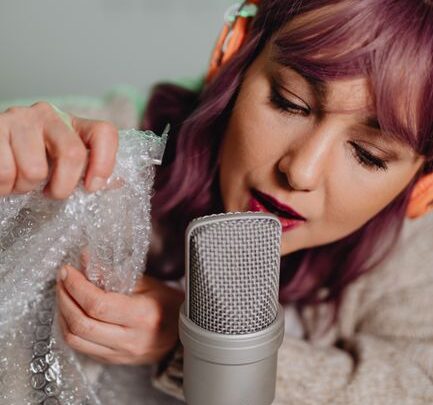
You don’t hear much about the headaches behind the microphone. In Australia, the voice over world isn’t all sun and surf. The reality, as producers in Sydney will tell you after a triple-shot espresso at 7am before a Coles ad session, is far more tangled than most realize.
The Accent Paradox: Who’s Really Listening?
It’s an open secret in local production houses: most major brands want something “authentically Aussie,” but exactly what that means keeps changing. Ironically, when Netflix first flooded Australian living rooms around , their international localization teams often requested neutral or even slightly British-leaning accents for global content—fearing American audiences might not decipher every syllable of Strine. Yet by , feedback from streaming analytics showed that young viewers from Perth to Brisbane (and even LA) preferred voices with genuine inflection—think Celeste Barber’s sharp wit over textbook RP.
In practice? Studios like Risk Sound in Melbourne now keep three shortlists: pure local talent, hybrid-accented voices, and a few ringers who can slip between regional flavors on demand. A single beer commercial can cycle through all three before anyone signs off.
A Day Inside: From Booth to Broadcast
On a busy Thursday at Resonance Media—a mid-sized audio post house in Adelaide—the workflow rarely follows script. Take the recent campaign for Afterpay’s New Zealand launch: initial direction demanded "friendly but universal" reads. Three takes later, feedback from Auckland flagged the vocal tone as too "Sydney radio." The entire session was scrapped and recast overnight with a Kiwi-born actor based in Melbourne. No one mentions this in glossy case studies.
Behind every -second spot lies hours of realignment. Producers juggle time zones (one hour ahead for Auckland), client Zoom calls at odd hours, and last-minute retakes due to subtle mispronunciations—like “data” pronounced dah-tah versus day-tah, which has derailed more than one fintech campaign headed for both US and Australian audiences.
Budgets and Bottlenecks: The Economics Few Discuss
Here’s what doesn’t make it into annual reports: voice over budgets for national campaigns haven’t kept pace with demand spikes. Since , agencies estimate the average rate per spot has stagnated or dropped by up to %, despite platforms like Spotify Australia reporting double-digit annual growth in digital audio advertising since .
Small studios are squeezed hardest. One producer told me they routinely patch together talent from Brisbane home booths using Source-Connect Now—not because it’s ideal quality-wise but because travel and studio fees eat half the margin on sub-$2k jobs. Meanwhile, major players like SCA Studios can afford full ISDN lines and backup voice pools across Sydney and Melbourne.
Tech Disruptions—and Those Who Actually Use Them
AI voice cloning gets plenty of hype but remains mostly experimental on mainstream work here. Sure, start-ups like Respeecher get trial runs with gaming companies (Wicked Witch Software tried it on non-player characters back in ), but legal issues around union rates and likeness rights make everyone nervous.
Where AI *does* show up is in casting—tools like Voquent or Voice123 help agencies filter hundreds of reels in minutes—but final delivery nearly always returns to real humans for anything brand-facing or regulated (think gambling ads).
Case Study: Local Flavor Meets Global Platform Demands
Let’s talk specifics. When Ubisoft rolled out "Rainbow Six Siege" expansions localized for Oceania back in –, they hired Australian actors for new operator roles—but insisted on “internationally intelligible” diction after complaints from beta testers abroad couldn’t parse slang-laden callouts (“arvo,” “reckon”). The result? Actors recorded two variants per line—one pure Aussie, one sanded down for export markets.
Sound designers spent weeks splitting files for different server regions—a logistical tangle that only gets mentioned over drinks at GDC meetups, never at launch events.
Unseen Labor: Home Booths & Pandemic Legacy
Since COVID scrambled production routines in early , remote recording setups have become industry standard almost overnight. By late nearly every working VO artist from Hobart to Cairns had invested upwards of $1–3k AUD into home isolation booths and Rode NT1-A mics just to stay viable against rivals with agency backing.
A common pattern now? Agencies routinely request test reads via WhatsApp or Google Drive links before booking a formal session—a process that didn’t exist pre-pandemic but now accounts for about half of all first-round auditions according to several agents interviewed last winter.
Why It Still Isn’t Easy—or Predictable
No matter how many self-help webinars or LinkedIn guides circulate among aspiring talent each year (and there are dozens; ask any Facebook group admin), none capture how variable expectations really are job-to-job:
- One week it’s classic Ocker humor for a Bunnings Warehouse radio blast;
- Next week it’s hushed sincerity for Beyond Blue PSAs aimed nationwide;
- Then suddenly a Canadian client wants “Australian,” but actually means someone who sounds halfway Californian by way of Bondi Junction.
All within five business days.
Final Word—For Now?
Somewhere right now a creative director is frantically dialing her favorite VO agent hoping someone can sound relatable yet aspirational yet unmistakably… well… “Aussie.” Whatever that means this quarter.