You notice it first on a night in, when Netflix’s top drama is suddenly—jarringly—interrupted by a crisp, almost suspiciously precise British narrator. Or maybe it’s that new trailer for an Ubisoft game: the hero’s voiceover glides between clipped vowels and rumbling authority, but something is off. It isn’t just the accent—it’s the process behind it that almost nobody outside the industry talks about.
Backstage at Soho: The Real Audition Room
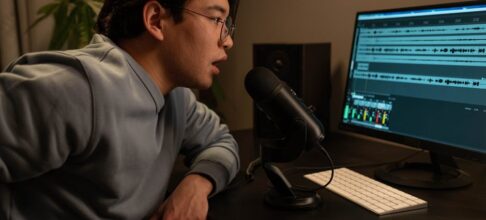
For all the mystique of velvet tones and Shakespearean gravitas, most modern British voice over work doesn’t start in some mahogany-paneled BBC studio. Instead, much of it now unfolds in converted flats around Fitzrovia or repurposed editing suites above sandwich shops in Manchester. A producer from London-based Adrenaline Studios told me last year that % of their voice talent auditions happen remotely—Zoom calls, wavering Wi-Fi, frantic file uploads to WeTransfer as deadlines close in.
The relentless pace has changed casting itself. In pre-pandemic , major game studios like Creative Assembly still flew actors into their Horsham HQ to record Total War sessions—today, they’ll often settle for home-recorded demos if they’re racing against a global embargo drop. The result? More regional voices cracking through (hello Scouse and Geordie), but also more friction with directors who expect Queen's English clarity on every take.
Not All Accents Are Welcome—But Some Are Required
Here’s the contradiction: Brands claim to love authenticity. But when Sky UK launched its ad campaign for streaming bundles last autumn, their brief wanted “London neutral”—not too posh, not too street. One casting agent confessed that requests for regional accents have tripled since …but only if layered with a certain polish. "They want a hint of Manchester, but not so much your nan can place which bus route you live near," she laughed.
The numbers back this up: according to data shared by VoiceArchive Europe, only about % of broadcast campaigns in Britain feature overtly strong regional inflection. The rest demand what one Liverpool agency calls "BBC Lite"—just enough flavor to sound relatable without risking audience confusion outside London or Birmingham.
The Workflow Nobody Brags About: File Names and Frantic Revisions
If you imagine these gigs are all glamour and single-take genius, spend five minutes inside a typical project workflow at Side UK (the audio localization specialists behind franchises like Cyberpunk ). Actors receive spreadsheets loaded with thousands of line IDs (“CYB_0034_INTRO_EMOTE”), three alternate reads required for each one. By Thursday afternoon, scripts change again—a patch update came through from CD Projekt Red overnight—and everyone scrambles to re-record missing dialogue before Friday’s QA upload.
The same chaos applies in commercial work: For a Tesco radio campaign recorded last February at Just Voices in Leeds, the session ballooned from two hours to four because legal cleared a last-minute tagline tweak (“Every little helps” wasn’t quite little enough). Files ping-ponged between client and studio as traffic hissed past outside.
AI Voices: Disruption With an Identity Crisis
British voice over finds itself pressed up against another wall—the slow incursion of AI voices trained on decades of real recordings. In Berlin this spring, I watched engineers from Respeecher demonstrate an eerily convincing digital clone of David Attenborough’s delivery; several UK post-production houses admitted off-record that synthetic reads now make up -% of temp tracks for e-learning modules and explainer videos.
Yet few agencies trust machine-generated Britishness for anything high-profile—at least not yet. As one producer at Hogarth Worldwide noted during an agency roundtable in early : "Clients say they want cost savings until they hear how flat those AI reads land next to even our greenest junior talent." Still, there’s no mistaking the anxiety among freelance narrators watching price points slide downwards as mid-tier projects get automated out from under them.
Beyond London: The New Hubs (and Headaches)
It isn’t just a capital city affair anymore either. Glasgow’s Blazing Griffin studio reported earlier this year that nearly half their animation dubs are now voiced locally—a sharp jump from less than % pre- lockdowns. Remote recording tech broke down old geography barriers but raised others; Scottish actors regularly complain about being typecast into “quirky sidekick” roles while big-ticket narration contracts default back south.
Meanwhile in Australia—a growing market for British talent thanks to cross-Commonwealth content deals—Sydney-based localization companies like Soundfirm are importing UK voice artists virtually to chase authenticity for BBC-branded programming launching on Stan or ABC iView platforms.
A Moment From History They’d Rather Forget
One overlooked chapter: Ask any veteran narrator about the infamous “mid-2000s documentary boom.” Between – alone, Discovery Channel pushed out hundreds of hours of factual series narrated by whoever happened to be available after midnight at Soho studios—often working without full scripts or context. Several now-famous actors admit privately that their earliest credits were stitched together from frantic retakes recorded over weekend tea breaks while dodging other bookings down the hallways.
What No Brief Prepares You For...
There’s always something unspoken left out of official job specs—the bit where you must improvise subtle shifts between RP and Estuary English based solely on whether the product is luxury perfume or discount insurance; navigating cultural minefields where saying "cheers" at the wrong pitch can turn an entire spot tone-deaf north of Watford Gap; coping with script revisions arriving minutes before air simply because someone upstairs decided “mum” sounded too old-fashioned compared to “mom.”
No guidebook covers chasing approval chains across three time zones or learning (the hard way) how quickly your perfectly enunciated delivery gets drowned beneath SFX-heavy mixes destined for Fortnite trailers or late-night ITV slots.
So what nobody tells you? For all its veneer of tradition and tweed-jacket charm, British voice over is restless improvisation—equal parts hustle and heritage—with far more grit behind those vowels than you ever hear through your headphones.