Contrary to what outsiders might imagine, the Estonian voice over landscape isn’t a sleepy backwater in the European localization world. In fact, it’s been quietly punching above its weight for years—sometimes by necessity, sometimes by sheer creative stubbornness. If you’ve worked with Nordic or Baltic markets, you already know: Estonian projects are never just a box-ticking exercise.
Voice Over in Estonia: A Micro-Market With Macro-Standards
For context: Estonia has a population under 1.4 million, yet their media consumption habits are anything but provincial. Back in the early 2000s, Estonian TV channels like ETV and Kanal 2 were among the first in the region to experiment with dual-language audio tracks and on-demand subtitling—even before many Western European broadcasters caught up.
Yet when it comes to voice over (VO), Estonia operates on an edge between minimal viable market and surprisingly international demand. In Tallinn studios like Helifilm or Audiohouse, dubbing budgets rarely match those of Germany or France. Still, every season brings requests for both “neutral” Estonian narration and regional dialects—a complexity most outsiders underestimate.
A Day Inside an Estonian VO Studio
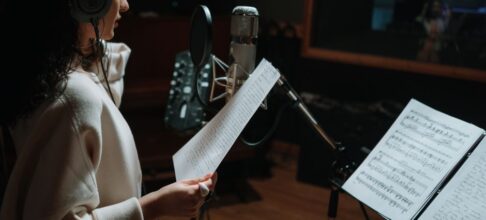
Drop into an average recording session at Helifilm Production (a well-established Tallinn post-production house) on a Tuesday morning. Here’s what you’ll see:
* An engineer juggling Pro Tools sessions for three languages—Estonian, Russian, and English—in rapid succession.
* Two voice actors who do double duty as translators; one is also prepping lines for a Finnish e-learning module.
* A director patching in via Zoom from Stockholm because the client is Swedish but wants local authenticity for pan-Baltic ad campaigns.
This hybrid workflow is typical for small-market studios across Eastern Europe—but in Estonia, where linguistic pride runs deep, native fluency is non-negotiable. The pool of top-tier voice talent remains tight-knit; most leading voices appear regularly on everything from Netflix dubs to government PSAs.
Global Platforms Meet Local Voices
Streaming giants have changed the game—sometimes clumsily. Netflix introduced full Estonian UI support back in , but dubbed content still makes up less than % of new releases targeting Estonia as of mid- (according to EuroVOX industry tracking). Instead, subtitling remains dominant except for animation and children’s programming.
However, YouTube creators and gaming publishers are increasingly commissioning bespoke Estonian voice tracks—not always out of cultural commitment but often due to algorithmic quirks that boost local engagement if metadata matches spoken language. It’s why Narrativa Creative Agency now fields more requests from indie game developers based in Berlin than domestic broadcasters.
The AI Temptation—and Its Limits
It would be easy to say AI has swept through Estonia’s VO scene like everywhere else. But real-world adoption patterns look different here:
* Narva-based studio Vokaal experimented with ElevenLabs synthetic voices last year for corporate training videos—but quickly pivoted back after feedback flagged pronunciation oddities (especially with names and technical jargon).
* In typical commercial workflows observed at Audiohouse since late , AI tools are used mainly for scratch narration or internal review cuts—not final delivery.
* Smaller agencies report that clients still prefer live sessions—even if remote—for brand work or character-driven scripts where emotional nuance can make or break credibility.
None of this means synthetic voices won’t eventually gain traction. But right now? Real talent still sets the bar—partly because Estonians are famously exacting about accents and intonation.
Case Study: International Campaign From Tallinn to Sydney
Consider how globalized even a niche language can become:
In late , a Sydney-based educational platform hired Tallinn’s Helifilm to record an entire suite of safety training modules in Estonian—a project spanning over twenty hours of finished audio. Despite timezone headaches and translation hurdles (Australian legal terms don’t map cleanly onto Baltic regulatory frameworks), the campaign wrapped within six weeks thanks to:
- Three bilingual voice actors working remotely,
- An agile post-production workflow blending Reaper DAW automation with manual QC passes,
- Daily review calls bridging Tallinn mornings and Sydney evenings.
Feedback was clear: end-users rated comprehension higher than previous text-only versions by nearly %, according to client surveys shared post-launch.
Unusual Demands: Dubbing Reality Shows… With a Twist?
A quirky scenario seen recently: Kanal (an entertainment channel) requested full-cast dubbing for an imported reality show—but insisted on keeping some original English phrases intact as cultural flavor markers. The result? A hybrid track where key catchphrases (“You’re fired!”, “Let’s do this!”) punctuate otherwise fluent Estonian dialogue—a compromise that frustrated purists but scored well among younger viewers who toggle between languages daily anyway.
In practice, this required meticulous timing during ADR sessions at Audiohouse—actors had to mimic not just tone but mouth movements so code-switched segments felt natural rather than jarring overlays.
The Talent Pool Paradox—and Freelance Dynamics
Here lies another contradiction: There are fewer than fifty regularly booked professional Estonian VO artists nationwide (per estimates shared by production managers at Eesti Rahvusringhääling), yet competition is fierce due to cross-media demands—from radio promos to mobile apps.
Freelancers dominate short-form commercial work; meanwhile bigger budget projects lean on established studio rosters who can deliver consistent quality under tight deadlines—often working overtime during peak campaign seasons (think spring tourism ads or autumn education pushes).
Remote collaborations aren’t new here; even before COVID- made home setups mainstream elsewhere, Tallinn-based talents were dialling into London or Helsinki sessions via Source Connect as early as when cross-border campaigns picked up pace.
Historic Flashpoint: Soviet Legacy Meets Digital Disruption Then Reinvents Itself Again Older industry hands recall the transition years after independence in when Russian-dubbed imports still dominated airwaves while native-language productions struggled with underfunded tech infrastructure. By the late '90s though, EU-backed investments helped modernize studio hardware—and by mid-2010s digital-first brands like Telia pushed standards higher again by demanding broadcast-grade VO not just for TV spots but multiplatform rollouts including mobile streaming formats.