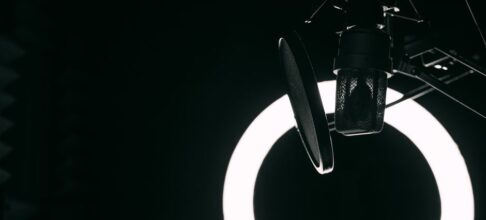
Something strange is happening in Tirana’s post suites. A decade ago, Albanian voice over was nearly invisible—sideline work for radio presenters and theater actors squeezed between underfunded productions. Now, producers complain they can’t find enough trained voices to fill their weekly schedules. The volume isn’t Netflix-level. But for a language spoken by fewer than 8 million worldwide, demand has become almost unruly. What’s driving it?
Corporate Detours and the Balkan Streaming Shuffle
Back in 2016, when Vodafone Albania launched its TV platform (Vodafone TV), executives quietly acknowledged that local content mattered only as a checkbox—most subscribers watched Turkish dramas or US sitcoms subtitled in Albanian. Fast forward seven years: all major telecom platforms—Telekom Albania, ALBtelecom’s Eagle Mobile—are locked in an arms race to commission original kids’ dubs and localize international formats for their set-top boxes.
A mid-sized studio like AudioVisual Albania now records up to 25 hours of finished voice over per week—a fourfold jump since pre-pandemic days. Their current pipeline includes everything from preschool series (“Bluey” dubbed for RTSH) to regional e-learning modules for banks expanding into Kosovo and North Macedonia.
The Albanian Voice Over Keyword: From Afterthought to Asset
Once upon a time, “Albanian voice over” meant little more than hastily dubbed commercials or government PSAs on RTSH1 (the national broadcaster). The production value was variable; directors would sometimes cast their own relatives if a session ran long.
But with pan-Balkan streaming platforms like Artmotion and Tring TV growing their libraries (Tring claims over 2000 hours of children’s programming dubbed annually as of 2023), quality is no longer negotiable. There’s even been a rise in voice casting agencies—the first real attempt at industry-wide standards since the late 2000s, when most work was project-based with little continuity.
Case Study: Gaming Dubs from Pristina to New York
One surprising twist comes from gaming localization. Last year, a Toronto-based indie studio released an adventure game with full Albanian audio—a first for the genre. They contracted with Studio Iliria in Pristina after struggling to source native speakers through traditional European agents. The workflow? Remote direction via Source-Connect (a tool now standard across Balkan studios), script adaptation by a linguist fluent in both Gheg and Tosk dialects, then editing via Reaper DAW.
The result wasn’t just novelty: within six months, downloads in Kosovo spiked by nearly 30% compared to previous English-only releases—a clear sign that mother-tongue dialogue resonates even in digital spaces previously dominated by subtitles or not localized at all.
AI Anxiety Meets Cultural Realities
In Western Europe or Australia, AI-based synthetic voices are rapidly eating into low-budget commercial dubbing jobs—often outpacing human talent on speed alone. Some German agencies have moved up to 15% of corporate explainers onto ElevenLabs-style platforms this past year.
But walk into Studio ABC near Tirana’s old Bloku district and you’ll hear skepticism: “Our clients want warmth… slang… something you just can’t get from AI yet,” says chief engineer Ardit Hysi. Still, experimentation is underway; one production house recently piloted deepfake voice tools for minor e-learning assets aimed at diaspora Albanians abroad (notably those based around Zurich or Boston). So far? Feedback is mixed—audiences spot the difference instantly when it comes to humor or idiomatic phrasing.
That said, workflows are shifting underground: some smaller ad agencies are using synthetic voices as scratch tracks before final sessions—saving hours on retakes but still delivering human performances for broadcast spots.
Cross-Border Projects and New Voices Emerging
Kosovo has become an unexpected nerve center for regional projects requiring standardized Albanian audio across several countries—not just because of neutrality between dialects but also lower operating costs compared to studios north of Tirana or those catering primarily to broadcasters in Italy or Switzerland targeting diaspora audiences.
For example: an NGO campaign produced jointly by UNDP Albania and UNICEF Kosovo last year required three distinct audio versions—for broadcast across Albania proper, Kosovo’s public channels (like RTK), and online platforms serving Macedonian-Albanians near Skopje. Instead of recording everything three times locally, the project centralized production at ONE Studio Pristina—which coordinated multiple accents within one session block using remote directors dialed-in from London and Milan.
Historical Anchors: From Pirate VHS to Platform Wars
It’s easy to forget how wild-west this sector once was—in the early 1990s after communism collapsed, VHS tapes of Hollywood movies circulated through Tirana markets with amateur overdubs performed live onto mono cassettes by moonlighting radio hosts. A single voice would narrate every character regardless of gender or age; translation errors were legendary among schoolchildren who grew up mimicking them word-for-word.
Today’s landscape couldn’t be more different—but there are echoes everywhere. Professional studios now compete over soundproof booths instead of makeshift bedrooms; scripts go through legal vetting rather than back-of-the-envelope scribbles; payment is digital rather than cash-in-hand after midnight sessions.
Numbers rarely hit headlines here but ask around Tirana’s creative quarter and you’ll hear estimates that overall demand for professional voice over work has risen 40–50% since late 2019—driven less by global giants like Amazon Prime Video than by regional players hungry for local engagement metrics in emerging markets.
When Advertising Goes Local—and Weirdly Personal
Here’s something you won’t see listed on any official price sheet: micro-targeted social video ads tailored specifically for small towns along Albania’s southern Riviera during tourist season. Several boutique agencies—including AdPro Group based near Vlorë—now churn out dozens of mini-campaigns per week featuring recognizable local accents meant to build instant rapport with viewers scrolling Instagram Stories from Saranda down to Ksamil.
“Clients used to ask us just for ‘standard’ Albanian,” says Anila Bako, an account manager at AdPro Group who oversees campaigns for both Greek-owned hotels and British travel startups eyeing Gen-Z visitors. “Now they want Gjirokastrite inflections… sometimes even inside jokes about village customs.”
This hyper-localization trend isn’t isolated: similar patterns are visible among Macedonian-Albanian broadcasters commissioning separate dubs depending on whether their target area borders Kumanovo or Tetovo—a linguistic granularity reminiscent of what Polish TV stations began doing around Kraków versus Warsaw back in the late 2010s as EU integration fueled cross-border ad spend surges there too.
Emerging Talent Pipelines—and Old Barriers Still Linger
With so much new business flowing in—from e-learning portals targeting diaspora learners across Europe, fintech apps needing onboarding videos voiced fast, or pan-Balkan game launches—the bottleneck isn’t technology anymore but training pipelines:
simply put, there aren’t enough experienced artists able (or willing) to deliver consistent output under tight deadlines without burning out.
To address this gap,
some studios have started informal apprenticeship programs modeled loosely after setups seen at Berlin dubbing companies during Germany's post-Netflix expansion phase (circa 2015). At VoiceBox Studio Shkodër,
young theater students shadow veteran narrators during morning blocks before cutting practice reels solo each afternoon—sometimes leading straight into paid gigs if delivery matches client specs quickly enough.
iPad Booths vs Soundproof Studios? Workflow Experiments Continue
in smaller cities like Elbasan,
a peculiar hybrid workflow has taken root:
rather than renting pricey urban sound stages,
fledgling media outfits jury-rig iPad-based mobile vocal booths assembled from foam panels and closet doors—a practical adaptation first popularized among YouTubers but now creeping into formal production pipelines whenever budgets get tight or deadlines loom unexpectedly close before festival launches or government grant milestones expire mid-project cycle.
iOS-based DAWs such as Ferrite have become default tools here—not necessarily out of preference but necessity given hardware constraints outside Tirana proper.
iT may look makeshift,
but output sometimes surprises even jaded agency producers tasked with quality assurance runs before content hits airwaves statewide,
echoing similar bootstrapped methods adopted by Estonian indie podcasters back during their own market growth spikes five years ago.