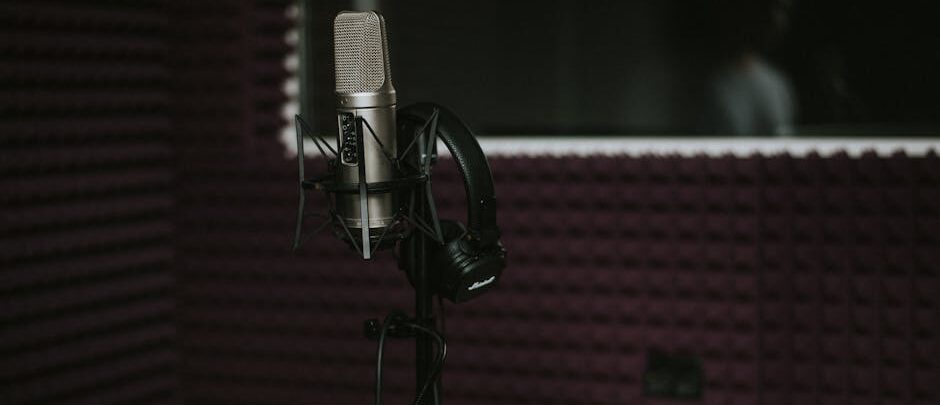
More Than an Accent: Why Companies Care About American Voice Over
Ask any content localization manager at Netflix or Amazon Prime Video what keeps them up at night, and you'll hear some variation of this refrain: "We’re streaming in countries, but if our English dubs don’t hit the right notes for U.S. audiences, we hemorrhage engagement." American Voice Over isn’t merely about intelligibility or dropping regionalisms—it’s about cultural proximity. For many global companies aiming for mainstream U.S. appeal, authenticity means American cadence and nuance.
In Los Angeles—still the heartbeat of media localization—the workflows are meticulous. At VSI Los Angeles (formerly known as Vox Studios), scripts arriving from Europe are dissected by linguists before casting even begins. A typical Netflix animated series adaptation may involve up to six rounds of voice tests before final approval from both the client-side creative director and the original showrunner. This is neither cheap nor fast; budgets for prominent titles often allocate –% just for high-caliber U.S.-based talent.
When Automation Isn’t Enough: AI Voices Meet Human Expectation
The recent wave of AI-driven voice synthesis tools—Descript’s Overdub or ElevenLabs’ voice cloning—has made quick-turnaround localization tantalizingly affordable. But most agencies using these tools in real workflows (especially in advertising or character-driven content) still find themselves reverting to human American actors for anything that smacks of emotional nuance.
Take Adaptation House, a Warsaw-based localization boutique that experimented last year with synthetic voices for a mobile game targeted at New York teens. Internal focus groups scored machine voices % lower on relatability and trust than seasoned SAG-AFTRA talent—even when the lines were technically flawless. The team ended up hiring two L.A.-based actors remotely, almost doubling their original budget but reversing early player churn rates within six weeks post-launch.
Industry Example: Australian Agencies Go Stateside
There’s an increasing pattern among Sydney’s digital marketing firms: They’ve started sourcing American Voice Over directly for multi-channel campaigns destined for TikTok or YouTube Shorts in the United States.
One agency lead at DDB Sydney recounted how their client—a global sneaker brand—insisted on “native-sounding Gen Z” narration for every U.S.-facing video spot in . The process? Project managers work overnight hours to coordinate live-recording sessions with L.A.-based voices via Source-Connect, ensuring subtle slang lands authentically rather than awkwardly translated through British or neutral international reads.
The Numbers Game: Scale Isn’t Just About Savings
According to industry insiders at Keywords Studios, roughly % of narrative games shipped globally in included dedicated American English VO tracks—even when primary development happened in places like Montreal or Tokyo.
Localization project leads now consider dedicated U.S.-flavored audio as baseline—not premium—for AAA releases on PlayStation and Xbox platforms targeting North America. It’s common practice for major franchises such as Assassin's Creed (Ubisoft) or Final Fantasy (Square Enix) to commission entirely separate dialogue passes with teams based out of Burbank or New York City.
Flashback: How Streaming Changed Everything (–)
Before Netflix began its international expansion circa , European studios often settled for generic “mid-Atlantic” accents—a blend meant to sound plausibly universal but rarely pleasing anyone stateside.
But once Netflix Original productions like "House of Cards" proved that tightly localized audio could drive subscriber growth beyond language barriers, priorities changed fast. By , even smaller VOD platforms like Viaplay (Nordics) were insisting on native American narrators for true crime documentaries aimed at cracking the U.S market.
Real Workflow Friction: When Brands Skip Native VO—and Pay For It Later
It happens more often than you’d think: A Polish tech startup launches an explainer video series narrated by an EU-based actor whose English is technically perfect yet unmistakably non-native to Americans. Engagement drops off sharply after episode one; YouTube comments fill with remarks about “robotic” delivery or odd inflections (“Is this AI?”). Months later, they re-invest in full-scale re-records using U.S.-born actors sourced through agencies like Atlas Talent in Manhattan—at three times the initial cost but finally landing partnerships with major Silicon Valley firms who demand native polish as table stakes.
Not Every Market Wants Neutrality—They Want Familiarity
Even inside multinational brands like Procter & Gamble, internal ad teams have observed that conversion rates on Instagram Stories increase measurably (sometimes by as much as %, according to two campaign managers I spoke with off-the-record) when product spots use regionally familiar dialects versus neutral international English reads—especially if targeting Midwest Gen Z consumers versus East Coast professionals.
Closing Anecdote: What Stays Unspoken Is Heard Most Clearly
Voice over isn’t just logistics or line-reading; it’s chemistry between message and market expectation—a lesson learned repeatedly across borders and budgets alike.