The Brazilian Soundscape: More Than an Accent
To call it just an accent difference is like saying Rio’s Carnival and a suburban street parade are equally vibrant. Brazilian Portuguese voice over involves unique rhythmic cadences, colloquialisms, and—perhaps most crucially—a warmth that commercial directors from São Paulo to Porto Alegre insist is non-negotiable for domestic audiences.
A key turning point came in the mid-2000s when Globo TV standardized its casting guidelines for telenovela voice work. By 2008, major advertising agencies such as AlmapBBDO were pushing their clients—Unilever among them—to demand not only native voices but regionally specific deliveries for campaigns airing in the northeast versus the south.
Today, localization outfits like Dubbing Company Brasil in Curitiba handle up to 70% of their annual volume for streaming platforms that require different voice profiles depending on target demographics within Brazil itself.
When AI Meets Samba: Technology’s Double-Edged Sword
By late 2021, speech synthesis tools made bold promises about eliminating bottlenecks in production timelines. In practice? At least three indie game studios in Recife tested Google Cloud Text-to-Speech and Descript overdub tools but quickly retreated after early alpha testers flagged robotic inflections during emotional scenes. One project lead told me candidly: “For narration or e-learning modules? Sure. But drama? Our players laughed at tense moments.”
The lesson, repeated across agencies from Lisbon to Salvador: AI can accelerate bulk content conversion, but anything requiring subtlety—a soap ad’s flirtatious lilt, a mobile RPG’s hero monologue—needs human nuance only seasoned Brazilian actors deliver.
Case Study: Global Brands Fumble Local Voices (and Recover)
Consider Coca-Cola’s 2019 FIFA campaign rollout in Brazil. Initial radio spots used generic Latin American talent sourced through Miami-based agency network Havas Edge. Listener feedback skewered the ads as "artificial" and oddly formal—a mismatch with Brazil's effusive style of football commentary.
Coca-Cola’s local team pivoted within weeks: re-recording with São Paulo studio Vox Mundi using well-known sports broadcasters whose catchphrases (“É gol!”) resonate nationwide. Brand recall metrics jumped by nearly 25% in post-campaign tracking compared to initial runs—a lesson etched into every subsequent brief Havas sent into Brazil.
Workflow Realities Inside Brazilian Studios
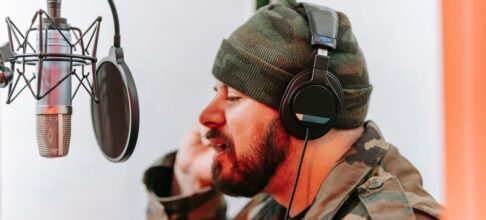
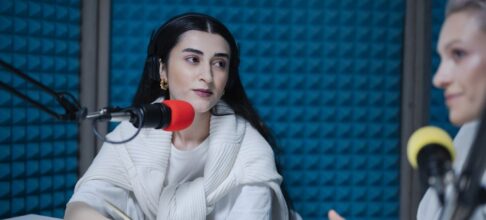
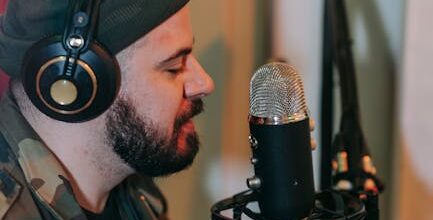
It’s common to imagine bustling sound stages filled with high-profile celebrities—but step inside AudioMix Studios in Belo Horizonte and you’ll see something different. Most sessions run lean: two or three local actors cycling through multiple characters per episode under tight deadlines (often less than five days per delivered episode). Directors keep pronunciation guides close at hand; regionalisms are debated line-by-line before final takes get approval by brand-side language consultants.
In typical workflows observed across mid-sized localization companies—including those serving Disney+ or Amazon Prime launches—the process often begins with a deep cultural audit led by linguists familiar with both urban slang and rural idioms. Only then does casting begin, sometimes resulting in Sao Paulo youth voices narrating apps aimed at Gen Z while older talents anchor bank commercials targeting retirees across Minas Gerais.
Regional Flavors—and Why They Matter
Brazil has more than 20 regional accents; savvy studios know that deploying a carioca (Rio de Janeiro) inflection where a paulista (São Paulo) lilt is expected can tank authenticity scores among local viewers—especially on social-driven brands where users call out mistakes instantly online.
In Europe, Berlin-based post-production house Loft Tonstudios handles pan-European campaigns but outsources all Brazilian tracks specifically due to this complexity; their director once quipped that “Brazilian Portuguese is closer to Italian than German,” referring not only to vowel sounds but also gestural energy needed on mic.
Measuring Impact: Metrics Beyond Volume
While precise figures vary year-to-year, industry insiders suggest that between 2018–2022 demand for dedicated Brazilian voicing grew approximately 30%, driven largely by international video-on-demand platforms entering the market. Spotify Brazil noted a marked uptick—in excess of 40% growth—in locally produced podcast ads once they switched from generic Latin American spots to scripts voiced by local comedians and influencers starting in 2020.
Agencies now track not only traditional reach metrics but also social engagement spikes tied directly to authentic-sounding campaigns—especially among younger demographics primed to roast subpar dubs on TikTok or Twitter.
Anecdotes From the Booths
Not all stories are success stories:
- One mobile banking app launched nationally using a southern accent narrator; backlash from northeastern users forced an urgent patch update within days—including reimbursement offers for first-time users who felt alienated by the tone.
- An educational NGO piloting literacy programs switched narrators after Amazon Alexa integration tests revealed comprehension gaps when urban slang was used outside São Paulo metro areas.
- During COVID lockdowns, remote recording setups surged; several Belo Horizonte engineers reported spending double their usual time cleaning up mismatched home audio submissions—a technical headache matched only by trying to maintain consistent delivery styles across disparate environments.
Looking Forward Without Losing Voice
AI will get better—it always does—but talk with anyone running sessions at Dubbing Company Brasil or Voicelands Studio and you’ll hear skepticism about when algorithms will truly capture a samba singer's warmth or a newscaster’s sly joke aimed at Rio traffic jams. For now—and likely well into this decade—the best results come from people steeped not just in language but living context.
And perhaps that's why so many foreign brands stumble before they soar here: translating words is easy; translating spirit takes patience—and plenty of retakes.