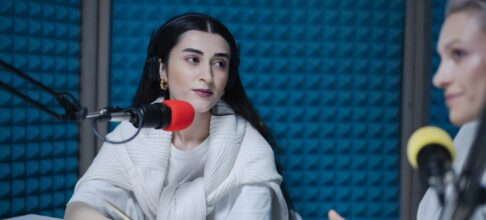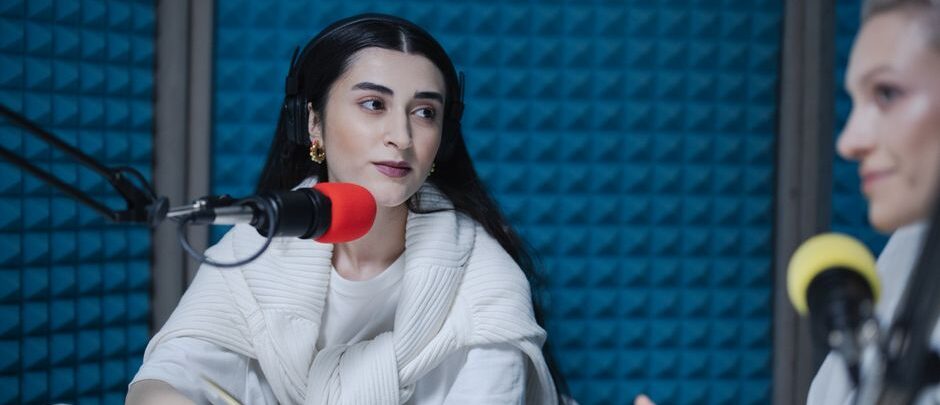
It usually starts with a single note from a producer: “We need this in Farsi. Can anyone help?” The urgency is familiar in post-production suites from Dubai to Berlin, as streaming platforms, game publishers, and even e-learning giants scramble to connect with a suddenly indispensable Persian-speaking audience. This isn’t just another localization trend—there’s something deeper going on.
Tehran Has Always Watched—Now It Wants to Hear
In the early 2000s, international media companies tiptoed around Iran’s massive market potential due to sanctions and political uncertainty. But inside Tehran apartments, families were already tuning into satellite channels like MBC Persia or illicitly downloaded Hollywood blockbusters—anything with Persian subtitles would do.
But subtitles aren’t enough anymore. In , one Dubai-based agency reported that nearly % of its Middle Eastern campaign voice work was now requested in Farsi—a sea change compared to less than % a decade earlier. Netflix’s aggressive push into regional content (with dubbed series like “Squid Game” and “Money Heist”) didn’t just set expectations; it normalized professionally voiced content for millions of Persian speakers.
When "Good Enough" Dubbing Isn’t Enough Anymore
A producer at Istanbul-based localization studio B-Tone described the shift as abrupt: “Three years ago, clients wanted cheap dubs or basic voiceovers for apps targeting Iran or Afghanistan—usually rushed jobs with amateur talent.” Today? That same producer says even fintech startups demand broadcast-quality Farsi audio delivered via remote sessions using Source-Connect or SessionLinkPro.
The stakes are real. When Epic Games released an update for Fortnite with new regional language support last year, forums lit up after Persian fans noticed their in-game prompts were still only subtitled—not voiced. Within days, several indie studios (notably Soroush Studio in Mashhad) fielded calls from international developers seeking rapid Farsi voice casting and direction to patch the omission.
Not Just Iran: Diaspora & Dual Markets
Here’s what multinational brands sometimes miss: Farsi isn’t just about Iran’s million citizens. Los Angeles County alone counts over half a million Iranian-Americans; Toronto adds thousands more. In Australia, SBS On Demand quietly doubled its library of Persian-dubbed documentaries between and after analytics showed spikes in engagement among first-generation immigrants.
Even brands that don’t sell directly into Iran have started commissioning Farsi voice tracks—for compliance training videos targeting Afghan partners (where Dari overlaps), or onboarding modules for refugees resettled across Europe.
A Workflow Case Study: How One Agency Handles the Boom
Take LocAbility, a mid-sized London-based localization firm specializing in gaming and educational content. Five years ago they rarely had Farsi projects; now, it’s one of their top five languages by volume.
A typical workflow involves:
- Remote casting sessions via Zoom with actors based both in Tehran and diaspora hubs (Berlin and Stockholm are favorites)
- Text adaptation managed by bilingual linguists familiar with Iranian cultural codes—especially when Western humor needs localizing
- Syncing VO delivery using cloud-based DAWs like Audition CC so directors can approve takes live from Paris or Dubai while engineers prep files for integration within hours
- Final QA passes include running tests on mobile devices popular among young Iranians (Samsung Galaxy models outnumber iPhones two-to-one)
“About % of our Farsi VO projects now involve interactive content,” says LocAbility project manager Emily Northam. “E-learning apps, gamified health platforms… stuff you can’t just subtitle.”
AI Tools Are Here—but Not Quite Trusted Yet
The arrival of AI-generated voices has changed how some agencies handle scale. A Polish e-learning vendor recently piloted Respeecher’s neural TTS system for bulk narration in six languages—including Farsi—for quick internal prototypes. Yet none have deployed these synthetic voices on customer-facing projects without human review; too many minor mispronunciations can shatter trust among native listeners accustomed to decades of high-quality radio drama traditions.
In fact, Tehran’s thriving VO scene remains fiercely protective against automation encroachment—even major AI tool vendors like ElevenLabs see slower adoption rates there compared to Turkish or Russian markets.
Why Now? From Sanctions Workarounds to Global Streaming Norms
It isn’t just pent-up demand driving this surge—it’s also about circumventing old barriers. Until recently, only scattered expat-run studios dared tackle professional-grade Persian dubbing because licensing deals felt risky under US sanctions law.
But since mid-2010s reforms loosened constraints on software exports and digital services (think cloud DAWs or payment processors), more Iranian professionals joined distributed production teams serving global clients remotely—from safe bases in Armenia or Istanbul if needed.
Farsi voice work has become essential not merely because audiences expect it but because technology finally allows companies everywhere—from New York fintech firms producing compliance modules for Afghan banks to Berlin indies localizing puzzle games—to meet those expectations efficiently and legally.
One Missed Detail Can Tank an Entire Campaign
Marketers who’ve tried cutting corners know the risks too well: an awkwardly accented narrator can kill credibility overnight among picky urban Iranians raised on BBC Persian broadcasts and classic IRIB dramas.
Case in point: An Australian edtech startup rolled out an onboarding course for Iranian students using budget voice actors sourced entirely from outside Iran—inconsistent accent cues led to complaints and disengagement rates spiking by over %. They quickly reversed course, contracting a boutique recording house run by former Iranian TV actors living near Sydney instead.
Cultural Nuance Is Non-Negotiable
Anyone who thinks Farsi is just another language track hasn’t sat through an ADR session as local directors debate whether "jigar" should be translated literally (“liver”—a term of endearment) or swapped for a safer synonym depending on the intended region (urban Tehran vs rural Khorasan).
Even seasoned producers at France Télévisions admit they underestimated these nuances during their first wave of Persian-language children’s programming in late ; community feedback forced them back into recording booths weeks before launch.