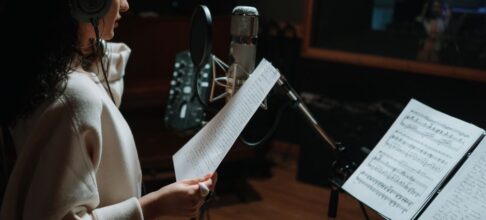
Understanding Arabic Voice Over: More Than Just Translation
Arabic voice over is not simply about translating content into Arabic and recording it. The Arabic language is incredibly complex, with numerous dialects, cultural nuances, and regional variations. Unlike English or other widespread languages with relatively consistent pronunciation and vocabulary, Arabic voice over professionals must navigate:
- Multiple Dialects: Modern Standard Arabic (MSA) is commonly used in formal contexts, but colloquial dialects such as Egyptian, Levantine, Gulf, Maghrebi, and others vary significantly in pronunciation, vocabulary, and even grammar.
- Cultural Sensitivity: Content must be localized, not just translated, to resonate with diverse Arabic-speaking audiences. This includes adapting humor, idioms, and context to fit cultural expectations.
- Pronunciation Challenges: Arabic script contains sounds and letters absent in many other languages, requiring voice artists skilled in pronunciation to maintain clarity and authenticity.
- AI and Synthetic Voices: Advances in AI voice synthesis are starting to tackle Arabic, although the technology still lags behind in delivering natural-sounding voice over in various dialects.
- E-Learning and Digital Content Growth: With increasing digital education and online content in the Arab world, the demand for Arabic voice over in e-learning platforms will continue to rise.
- Cross-Cultural Video Marketing: International brands expanding into Arabic-speaking markets invest more in localized, culturally sensitive voice over to build brand trust.
Common Myths About Arabic Voice Over
Myth 1: Arabic Voice Over is Uniform Across Regions
The reality is far from this. Arabic is one of the most linguistically diverse languages globally. For example, an Egyptian Arabic speaker might struggle to understand the Moroccan dialect and vice versa. This diversity necessitates hiring voice actors familiar with the target dialect and audience to ensure the voice over feels natural and relatable.
Myth 2: Any Arabic Speaker Can Do Voice Over
While many people speak Arabic, professional voice over work requires specialized skills, including acting ability, vocal training, and technical expertise. A professional Arabic voice artist brings personality, emotion, and clarity to the recording, essential for engaging a modern audience.
Myth 3: Arabic Voice Over is Just Dubbing
Voice over and dubbing are different. Dubbing involves replacing the original spoken dialogue in video content, requiring synchrony with the actors’ lip movements. Voice over often serves documentary narration, commercials, or phone systems, where synchronization isn't critical. Understanding this distinction helps clients choose the right service for their needs.
Key Challenges Facing Arabic Voice Over Industry
1. Dialect Selection and Localization Complexity
Choosing the right dialect is crucial for project success but can be challenging when targeting multiple Arabic-speaking countries. Localization goes beyond language to respect cultural differences, including avoiding politically sensitive terms or culturally inappropriate content.
2. Scarcity of Qualified Voice Artists
Finding professional Arabic voice talent with native fluency, acting skills, and technical recording capabilities remains a barrier in many markets. Many agencies struggle to build a reliable roster that covers various dialects and voice styles.
3. Technical and Acoustic Considerations
Arabic phonetics require particular attention in recording studios, from microphone choice to sound isolation, to capture unique voice qualities. Poor audio quality can detract from the message regardless of the voice actor’s skill.
Best Practices for Effective Arabic Voice Over Projects
1. Define Your Target Audience Clearly
Identify the specific country or region you're targeting and select the appropriate dialect accordingly. If you are aiming for the Gulf region, a Gulf Arabic tone works best, whereas Egyptian Arabic resonates more across North Africa and parts of the Levant.
2. Work with Experienced Professionals
Partner with voice over agencies or freelancers who specialize in Arabic and understand the linguistic and cultural nuances. Look for voice samples and client testimonials to gauge quality.
3. Emphasize Localization Over Direct Translation
Hire professional translators not only fluent in Arabic but familiar with the subtleties of different dialects and cultures to ensure your message feels natural.
4. Invest in Quality Recording and Editing
Even the best voice talent benefits from professional studio environments and sound engineers to guarantee clear, engaging audio that meets international standards.
The Future of Arabic Voice Over: Trends to Watch
Conclusion
Arabic voice over is a specialized, nuanced field that requires much more than linguistic translation alone. Understanding its dialectical diversity, cultural contexts, and technical requirements is essential for achieving authentic and effective results. Whether you’re a marketer, filmmaker, or content creator, investing in experienced Arabic voice over professionals ensures your message resonates deeply with Arabic-speaking audiences across the globe.
By debunking common myths and highlighting industry realities, this guide aims to provide clarity and support your successful engagement with the thriving Arabic voice over market.