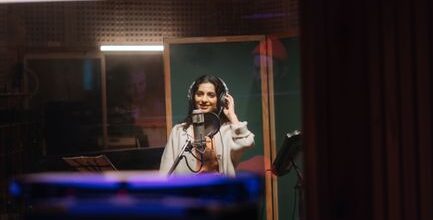
A single line from a Netflix show will sometimes pause on the screen in Sarajevo, waiting for a voice that sounds right. But finding that voice—Bosnian, natural, emotionally resonant—is still a daily scramble for studios like Studio Chelia, one of the few audio post houses in the region specializing in native-language dubbing. That’s not an abstract supply issue: it’s symptomatic of how the industry is both expanding and hampered by persistent gaps.
The Invisible Layer
Voice over work has always been a subtle craft, rarely foregrounded unless something goes wrong. In Bosnia and Herzegovina, this invisibility is compounded by history. Post-, as Sarajevo rebuilt its cultural sector, broadcasters like BHRT stuck to subtitling instead of investing in robust dubbing pipelines. The result? Until recently, most high-profile content—from Disney films to PlayStation games—landed dubbed in Croatian or Serbian, rarely in Bosnian.
The numbers are blurry but telling: according to regional agency feedback gathered at the SEE Voices Symposium in Belgrade, less than % of children’s animation titles airing on national TV were dubbed specifically for Bosnian audiences. Most major localization projects defaulted to pan-Balkan solutions (Serbo-Croatian blends), often missing regional nuance.
Platform Pressure: Netflix and Gaming Studios Push Change
Things started shifting once global platforms entered the fray. When Netflix launched officially across the Balkans in late , they didn’t initially commission Bosnian-specific dubs; even today—eight years later—the vast majority of their Balkans catalogue relies on subtitles or broader Serbo-Croatian tracks.
But there are cracks appearing. In , Netflix quietly tested a Bosnian dub for their hit children’s series “Mighty Little Bheem.” According to one local project manager who worked via SDI Media (now Iyuno-SDI Group), “they needed five voices quickly—but only two actors had ever done sync dubbing before.” The studio spent extra days coaching newcomers just to meet basic timing standards familiar elsewhere since the early 2000s.
A parallel trend can be seen with indie gaming studios such as Mad Head Games (based in Novi Sad but often working with Sarajevo freelancers). Their adventure title "Scars Above" shipped globally last year with English audio first—but when German publisher Prime Matter requested Balkan localization options for Steam users, there was simply no established Bosnian VO pool ready to deliver game-quality performances under tight deadlines. The workaround? They hired radio hosts moonlighting as character actors—a temporary fix that left some scenes flat.
A Workflow Bottleneck Hiding in Plain Sight
In European media hubs—think Warsaw or Berlin—the typical workflow involves casting agencies drawing from deep pools of trained talent plus well-oiled direction teams accustomed to fast turnarounds. In contrast, most Bosnian post facilities still rely on ad hoc rosters: a spreadsheet maintained by one producer at Chelia lists fewer than twenty regulars who can deliver broadcast-ready reads across all genres.
One concrete scenario observed earlier this year: a regional e-learning provider contracted three hours of corporate narration for rollout across BiH government departments. After initial recording at AudioLab Sarajevo revealed inconsistent pronunciation and audible fatigue halfway through session two (the same actor booked back-to-back), they split sessions over several days—doubling total cost versus similar jobs produced out of Budapest or Prague where larger talent pools allow rotation without quality dips.
AI Dubbing Arrives With Mixed Consequences
Since , several small agencies have experimented with AI-driven tools like Respeecher and Deepdub to speed up sample generation or fill minor roles—especially for explainer videos and internal training content. Yet market adoption remains cautious; more than one client has rejected final mixes due to unnatural prosody or uncanny valley artifacts, especially when matched against human dialogue recorded locally. A recent advertising campaign for Sarajevsko pivo saw both approaches compared side-by-side: test audiences preferred even slightly flawed human reads over perfectly-timed synthetic ones by nearly 3-to-1 margins (agency survey data from April ).
Talent Shortage and Training Lag Behind Demand
Part of what keeps the Bosnian scene fragmented is an absence of systematic training infrastructure. Unlike Poland or Germany where voice acting workshops run monthly (notably at Polskie Radio's Warsaw headquarters), Bosnia sees only sporadic short-term courses—often led by actors moonlighting between theatre gigs.
This shows up everywhere from commercial spots (where big brands like Konzum sometimes settle for Croatian-accented reads) to videogame NPC chatter that feels wooden rather than immersive. Anecdotally, producers report that up to half their time per project goes into coaching rather than pure direction—a figure unseen elsewhere in Central Europe.
Local Efforts Emerging Slowly—but Not Fast Enough?
It’s not all inertia: companies like Studio Chelia have started offering discounted demo sessions each spring (“Bosanski glasovi za digitalno doba”). And BH Telecom recently commissioned its first fully-localized IVR system using native voices sourced via open casting calls—a modest step but one reported internally as improving caller engagement stats by around % within two months after launch.
Still: compare this pace with neighbors like Serbia or Croatia where digital ad spend—and thus demand for localized audio—is growing upwards of % annually since pre-pandemic times (regional AdEx figures). Bosnia lags behind both technologically and commercially; brand campaigns routinely opt out of full VO adaptation because it remains a logistical headache rather than an easy value-add.
So What Does Reality Sound Like?
Some would say it still sounds borrowed—sometimes literally stitched together from archive reels made years ago for other markets. But change is coming piecemeal; each time a local brand invests just enough in new talent development or tries another round with AI tools (warts and all), another layer gets added onto what could become a fully distinct soundscape over time.