The Unseen Gaps Between Brands and French Ears
Let’s start with an awkward truth. In 2022, several German SaaS companies—eager to expand into the French market—commissioned quick-turnaround video ads with voice actors from Lyon. The result: smooth delivery, accurate translation, but crickets from their Parisian audience. Why? One brand manager later admitted at a Strasbourg marketing meetup that “the script was technically correct,” but it landed with all the emotional resonance of an automated voicemail.
You can’t just swap English words for French ones and expect magic; tone, pacing, even regional slang matter. A colloquial joke that killed in London might elicit polite confusion in Lille or outright offense in Montreal.
Beyond Dubbing: How Real Teams Work With French Voice Over Talent
A common workflow observed inside mid-sized localization agencies like TransPerfect’s Paris branch involves at least four rounds of review before a single line airs. First comes the script adaptation phase—handled not just by bilingual translators but also by French copywriters with deep knowledge of current cultural references (think Netflix originals being localized for Canal+).
Next is casting: agencies often audition voices specifically familiar to target demographics—urban Gen Zers versus suburban families, for instance. In one 2023 campaign for a UK-based mobile gaming app launching in France, producers spent nearly two weeks searching for the elusive "friendly yet authoritative" female narrator whose cadence matched trending TikTok explainers popular among Parisian teens.
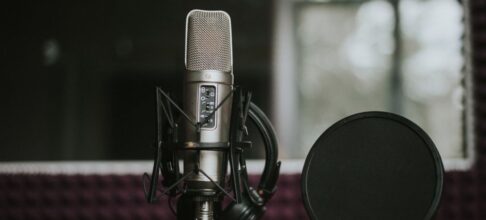
Actual recording sessions are rarely straightforward either. Even established talents like Jean-Marc Delhausse (known for voicing Hugh Grant in French releases) may require multiple takes to land exactly the right balance between clarity and local flair. Engineers working out of studios such as Le Labo (just off Rue de Charonne) often factor in subtle regional differences—a Marseille accent might appeal locally but fail on national TV.
When AI Meets Accent: Tech Adoption With Caution
By late 2023, several media agencies in Belgium started experimenting with AI-generated voice overs for budget-friendly ad spots targeting cross-border audiences. Tools like Respeecher and Descript promise rapid scaling—but results have been mixed. Anecdotally, one Brussels firm found its AI-generated “neutral” French voice sounded oddly synthetic when tested on focus groups outside Paris; authenticity ratings dropped by nearly 25% compared to human-recorded samples.
It’s reminiscent of what happened when Ubisoft experimented with machine-generated temp tracks during pre-release builds of Assassin’s Creed Valhalla (French edition). Feedback from internal testers led them back to professional actors due to uncanny valley effects—especially pronounced when narrative tone had emotional stakes.
Historical Whiplash: From Radio Paris To Streaming Giants
The trajectory of French voice work traces back decades—Radio Paris used live announcers reading sponsored copy as early as the 1930s. Fast forward to post-2015: streaming platforms like Disney+ and Amazon Prime Video normalized simultaneous multilingual launches. As viewers grew accustomed to high-quality native dubbing (not just subtitles), expectations soared.
By 2019–2021, demand spiked further thanks to pandemic-driven shifts toward digital-first campaigns; Eurodata TV Worldwide tracked a 40% increase in localized AV content output across Western Europe during this period alone.
Navigating Regional Faultlines—and Opportunities—in France and Beyond
Here’s something easy to miss if you’re based outside France: there isn’t one singular “French market.”
In Canada, Quebecois dialect dominates broadcast media; brands using standard European-French narration often appear tone-deaf—or worse, condescending—to Quebec viewers. A Montreal health insurance provider recently doubled conversion rates after switching from generic agency-supplied voice overs to local talent sourced through Studios Sonart.
Meanwhile, multinationals like IKEA learned this lesson after rolling out pan-European radio spots featuring uniform accents; sales teams reported better customer engagement metrics after pilot tests tailored region-specific phrasing for South-West France versus Île-de-France departments.
Real Campaigns Get Messy — And That’s Normal
In practical terms:
- Most large-scale audio campaigns created by agencies in Lyon or Bordeaux build parallel tracks—a mainline version plus adaptations targeting overseas Francophone markets such as Senegal or Switzerland.
- Deadlines are rarely met cleanly; delays crop up around legal reviews concerning language compliance (France’s strict Toubon Law looms large here).
- Mid-tier creative shops increasingly rely on cloud-based collaboration suites—one notable workflow includes using Frame.io linked directly into Pro Tools sessions so clients can approve alternate takes without endless email chains.
- One fast-moving consumer goods brand recently described their process as “controlled chaos”—with three different narrators testing versions simultaneously before final mixdown at Studio Grande Armée near Place Charles de Gaulle.
- Agencies report allocating up to 30% longer production time for nuanced French scripts compared to German or Spanish equivalents due largely to regulatory hurdles and cultural vetting cycles.
- According to figures shared informally by managers at Keywords Studios’ Paris office, requests for dual-market voice over packages (France + Canada) increased approximately 18% year-over-year since late 2021—a trend mirrored by rising ad spend focused on Canadian Francophones.
- Meanwhile, experimentation with remote recording jumped sharply post-pandemic; roughly half of freelancers now maintain home setups capable of meeting broadcast standards—with varying levels of success depending on internet reliability outside major cities like Marseille or Toulouse.
Data Points Marketers Can’t Ignore
From interviews conducted during localization summits in Berlin and Nice throughout 2023:
It Isn’t Just About Translation—It’s About Trust
Ultimately, successful audio localization hinges less on word-for-word accuracy than on building trust—and sometimes risking friction—in unfamiliar territory. One memorable case involved an Australian beverage company aiming at young professionals in Paris circa spring 2022; despite clever copywriting and flawless technical execution, listener surveys flagged the spot as "too anglicized," prompting emergency re-recordings featuring comedians known from YouTube’s "Golden Moustache." Brand favorability rebounded within weeks—a reminder that authenticity almost always wins out over efficiency shortcuts or cost savings here.
The Takeaway—for Now
If there’s any consistent thread emerging from these observations—from cramped studios near Bastille to video calls linking Montreal creatives—it’s that real impact requires more than technical skill or software wizardry. Marketers venturing into French audio should expect nuance layered atop nuance—and plenty of surprises along the way.