“You don’t sound American enough.” That’s what a Polish game developer was told by their US publisher in late , even though the actor they’d hired grew up in Ohio. The world of American voice over is full of contradictions like this—where accent, delivery, and even authenticity are constantly up for debate, especially as global content moves at breakneck speed.
The Unseen Industry Backbone
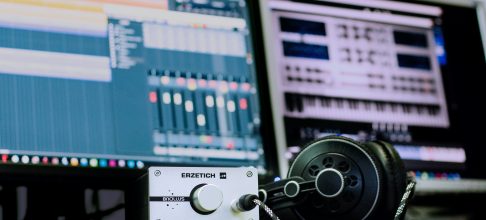
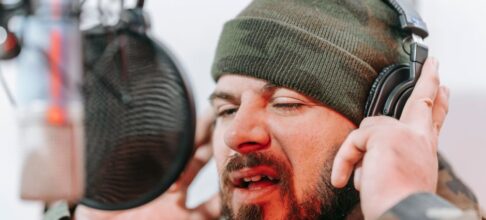
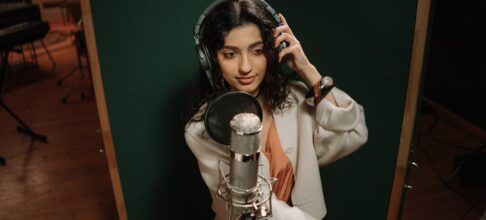
Voice over work for the American market often gets mistaken for glamour—the smooth-voiced narrator on an Audi commercial or the wisecracking NPC in a Rockstar Games title. But spend any time inside a mid-tier LA studio like Margarita Mix (a name you’ll find on everything from Netflix anime dubs to national TV spots), and it quickly becomes clear: most VO sessions are about efficiency, not artistry. Dozens of actors cycle through padded booths daily, chasing tight turnarounds for streaming platforms that drop entire series overnight.
Case Study: Animation Localization from Tokyo to Texas
Netflix’s aggressive push into anime dubbing since brought new challenges. When Japanese series are re-voiced for US audiences, teams at Bang Zoom! Studios in Burbank run marathon dubbing sessions—often localizing a full season (+ episodes) within six weeks. Directors balance fidelity to original scripts with demands for “relatable” American intonation. In practice, this means asking actors to flatten region-specific inflections or adopt slang favored by younger US viewers—a subtle tug-of-war between authenticity and accessibility.
The pattern is similar at European studios working with US licensors: SDI Media’s Copenhagen branch reported in early that nearly % of its English-language output now targets North America rather than Britain, prompting regular workshops on “General American” pronunciation nuances.
Not Just About the Accent: Sonic Branding Gets Personal
Gone are the days when Don LaFontaine-style gravel ruled every trailer. Today, brand campaigns want what casting directors call “real person energy”—think conversational tones closer to podcasts than radio announcers. Brands like Nike have shifted toward diverse voices; their campaign used four VO artists with distinct backgrounds but all rooted in recognizable US dialects.
A creative director at audio agency Sounds Good NYC described one real campaign for a major fintech client: "We recorded three versions—classic neutral, regional Southern, and an 'urban' vibe. Market testing came back split // between neutral and Southern. The client's exec team ultimately chose the Southern read because it felt 'warmer.'" These choices play out daily across agencies large and small.
AI vs. Human: Still Room for Both (For Now)
AI-generated voices are making headlines—Descript’s Overdub tool is being toyed with by indie podcasters and ad agencies alike—but experienced producers remain wary for premium content. One senior mixer at SideLA shared last year that while some e-learning clients now request cloned celebrity voices (saving nearly % per project), scripted entertainment still leans heavily on union talent due to SAG-AFTRA protections and audience backlash when synthetic reads slip through.
In Berlin's post-production scene, a handful of studios have quietly started integrating Respeecher's tech to match actors’ voices across languages—yet every workflow still ends with human review before final mixdown.
Union Lines Drawn—and Redrawn Again
Historically, SAG-AFTRA set strict boundaries around who could perform high-profile American voice work. But during pandemic lockdowns in –, remote recording upended those norms almost overnight: suddenly New York-based talent landed West Coast gigs without ever leaving Brooklyn bedrooms.
By early , more than half of LA’s smaller boutique agencies were using Source-Connect or ipDTL as standard parts of their workflow—not just emergency stopgaps but core tools enabling cross-country collaboration. This shift has opened doors for non-traditional actors but also made casting much more competitive (several agents report seeing audition submissions double since pre-pandemic years).
Game Audio: Iteration Rules Everything Around It
At Epic Games’ Cary headquarters, voice over workflows look nothing like standard commercial sessions. Character dialogue gets rewritten after playtesting; lines recorded today might be scrapped next week if player feedback trends negative on Discord or Reddit forums. Here, American VO isn’t just about reading lines—it’s about shaping narrative tone iteratively alongside design sprints.
One veteran game writer put it bluntly: "We’ve recast major roles based on streamers’ reactions within days of launch." Flexibility wins over star power every time—at least until Hollywood-caliber names become part of marketing plans (see Keanu Reeves in Cyberpunk ).
Global Reach Meets Local Tastebuds
An Australian audiobook producer I spoke with last summer described how their top-selling titles targeted the US market—even though both author and narrator lived down under. They deliberately coached narrators toward a flatter midwestern delivery; otherwise Amazon reviewers flagged "foreign-sounding" words within hours of release.
And yet there are countercurrents too: streaming platform Crunchyroll noted a surprising uptick (% YoY) in demand for “authentic regional accents” among Gen Z users searching animation subgenres—evidence that uniformity isn't always king anymore.
Final Takeaway? Expect More Chaos (and Creativity)
If you think there’s one formula for successful American voice over today—you’re probably three steps behind where industry realities actually stand. Hybrid workflows span from Warsaw localization shops fine-tuning AI pronunciations to legacy LA houses fighting to keep session rates steady against market churn.
What binds them together is less a shared style than an ongoing negotiation between culture, technology, commerce—and above all else—the endlessly evolving ear of the listener.