What Is American Voice Over?
American voice over refers to audio recordings performed by voice actors who use American English accents, dialects, and nuances suited for U.S.-based audiences. These voice overs are often employed in television and radio ads, corporate videos, e-learning materials, TV shows, films, cartoons, podcasts, and more.
Professional American voice overs demand clarity, appropriate emotional tone, and cultural authenticity. This intricate craft combines the talents of voice actors, producers, sound engineers, and directors working together behind the scenes.
---
Step 1: Understanding the Project and Script Preparation
The voice over process begins with detailed project analysis. Producers or clients provide a script outlining the voice over content, purpose, target audience, and any specific instructions such as tone, pace, or style.
During script preparation:
- The text is reviewed for clarity, timing, and voice suitability.
- Unnatural phrasing is edited or rewritten for smooth delivery.
- Pronunciations and technical terminology are marked to guide the voice actor.
- Breaks and pauses are indicated to enhance flow and impact.
- Age, gender, and vocal style (conversational, authoritative, warm, energetic).
- Regional American accents or neutral standard American English.
- Experience and past work relevant to the project genre.
- Availability and ability to take direction.
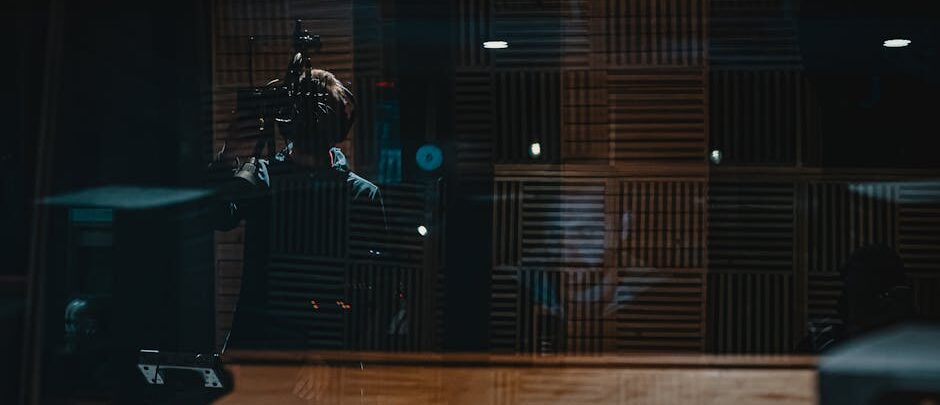
- In professional recording studios equipped with high-end microphones, soundproofing, and monitoring systems.
- In remote or home studios, increasingly common due to digital advances and global collaboration.
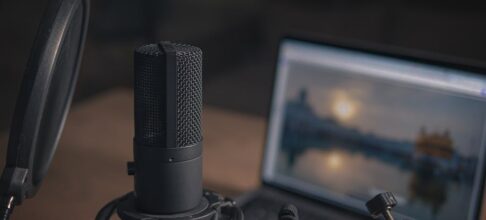
- Microphones (usually condenser mics for clarity).
- Audio interfaces.
- Headphones for the talent.
- Digital Audio Workstations (DAWs) for recording and editing.
- Maintain consistent mic distance and volume.
- Use natural breathing and articulation.
- Monitor for any background noises or technical issues.
- Capture emotional nuances requested in the script.
- Select the best takes based on vocal tone, timing, and clarity.
- Edit out mistakes, breaths, and background noise.
- Apply equalization (EQ), compression, and normalization to enhance sound quality.
- Insert pauses, adjust timing, and balance audio levels.
- Adjusting tone or pacing.
- Changing pronunciation or emphasis.
- Re-recording specific lines.
- Detailed filenames and metadata.
- Multiple audio formats and bit rates.
- Optional subtitles or scripts synchronized with audio (if applicable).
A well-prepared script is crucial for an efficient recording session and a professional final product.
---
Step 2: Casting the Right Voice Talent
Casting is the heart of any voice over production. The goal is to find a voice actor whose sound embodies the desired character, brand personality, or emotional tone.
Key considerations in casting include:
Many productions hold auditions or request demo reels before finalizing the voice actor. Agencies and online casting platforms are frequently used to streamline this process.
---
Step 3: Scheduling and Setting Up the Recording Session
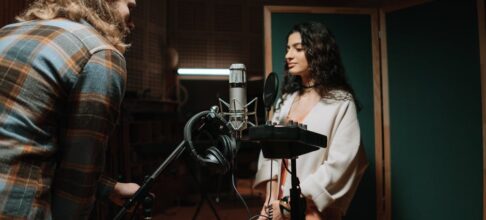
Once talent is cast, the next step is scheduling the recording session. Voice over recordings can take place:
The studio engineer ensures the environment is acoustically optimized and the equipment is ready, including:
Before starting, the director briefs the talent on key performance goals and provides any last-minute script clarifications.
---
Step 4: Voice Over Recording
During recording, the voice actor performs multiple takes for every line or section. This allows choice in delivery, tone, and pacing. The director actively listens and provides real-time feedback to achieve the best performance.
Key tips during recording:
Sessions can range from a few minutes for short ads to several hours for audiobooks or animations.
---
Step 5: Editing and Post-Production
After recording, the audio files enter the post-production phase, where engineers:
Sometimes, additional effects like reverb or pitch correction are used to suit the project’s style. The aim is a polished, engaging voice over that sounds natural and professional.
---
Step 6: Client Review and Revisions
The client or project stakeholders review the edited voice over and provide feedback. Common revision requests include:
Voice over teams accommodate these notes, often providing updated files for final approval. Open communication is vital to ensure the end result aligns with the client’s vision and objectives.
---
Step 7: Final Delivery and Integration
Once approved, the final voice over audio is delivered in the requested format—WAV, MP3, or others—ready for integration into video, animation, or multimedia projects.
Professional voice over providers often include:
Seamless collaboration between voice over and production teams guarantees that the voice over shines within the larger creative project.
---
Conclusion
The behind-the-scenes process of American voice over involves much more than simply reading a script. From precise casting and detailed script preparation to expert recording, editing, and client collaboration, each step requires skill, technology, and creativity to produce compelling voice overs that connect with American audiences.
Understanding this step-by-step workflow sheds light on the artistry and professionalism driving the booming voice over industry. Whether for advertising, entertainment, or education, a well-executed American voice over can breathe life into any project, making messages memorable and impactful.
---
FAQs About American Voice Over Production
Q1: How long does it take to produce a typical American voice over?
A: Depending on the project length and complexity, production can range from a few hours (for short commercials) to several weeks (for audiobooks or animated series).
Q2: Can voice overs be recorded remotely?
A: Yes, many professionals now record from home studios with high-quality equipment, enabling efficient remote collaboration worldwide.
Q3: What types of American accents are commonly used in voice over?
A: Standard American English is most common, but regional accents like Southern, New York, California, or Midwestern can be requested for authenticity.
Q4: How are voice actors paid for American voice overs?
A: Payment methods vary by project scope and talent experience, often including flat fees, hourly rates, or royalties.
---
For high-quality American voice over services tailored to your project, choose experienced professionals who understand every one of these vital steps. A compelling voice over can make all the difference in capturing your audience’s attention and delivering your message with impact.