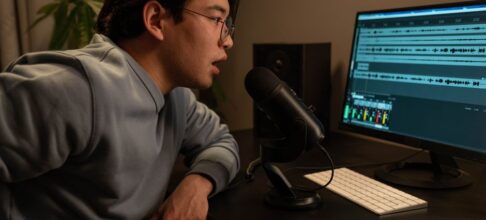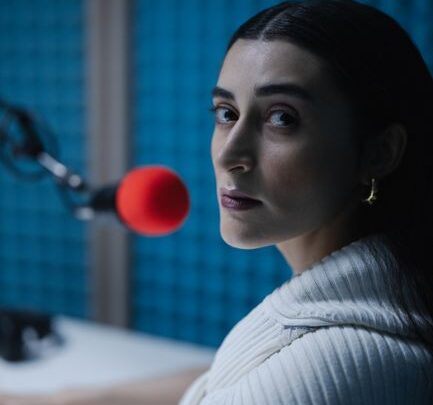
Understanding Farsi Voice Over: More Than Just Translation
Farsi voice over is not simply about translating English or other languages into Persian. It involves capturing the essence, tone, and cultural context of the original material. The Farsi language is rich with idioms, poetic expressions, and subtle intonations that make direct translation ineffective. Skilled voice actors must understand both the source and target cultures to deliver a voice over that resonates authentically with Farsi-speaking audiences.
The Complexity of the Farsi Language
One reason the hidden truth remains unnoticed is that Farsi has complex phonetics and syntax. Unlike many European languages that use Latin alphabets, Farsi is written in a modified Arabic script and is read from right to left. It features sounds that do not exist in English or other western languages, such as the throaty "gh" or "kh" sounds, which require voice actors trained to pronounce them accurately.
Additionally, the grammar and sentence structure differ significantly, often requiring complete rephrasing rather than word-for-word translation. This complexity means that a successful Farsi voice over requires not only linguistic skills but also creative adaptation — a process that demands time, expertise, and cultural knowledge.
Cultural Sensitivity in Farsi Voice Over
Farsi-speaking audiences are highly attuned to cultural authenticity. It is not enough to provide a clear and articulate narrating voice; the voice actor’s delivery must align with the cultural context, regional dialects, and social norms.
Dialects and Regional Variations
Farsi is spoken primarily in Iran, Afghanistan (where it's known as Dari), and Tajikistan (Tajiki Persian). Each variant has unique pronunciation, vocabulary, and intonation patterns. For example, Iranian Persian differs from Dari in several phonetic and lexical ways. Voice over talent must be chosen carefully based on the target audience. Using the wrong dialect can alienate listeners or reduce the effectiveness of brand messaging.
Gender and Formality
In Persian culture, formality and gender play important roles in communication. Formal speech conventions, polite expressions, and respectful tones must be observed in many professional or promotional voice overs. Conversely, casual or intimate tones may suit certain genres like sitcoms or children's programming. A nuanced understanding of when and how to use these tones is crucial for effective voice over.
The Growing Demand for Farsi Voice Over Services
As Iran’s digital and entertainment markets expand, so does the demand for Farsi voice over services. Streaming platforms, educational content creators, advertising agencies, and filmmakers seek authentic Farsi narration and dubbing.
Challenges in the Industry
Despite increasing demand, the Farsi voice over industry faces several challenges:
- Limited Pool of Professional Talent: There are fewer trained voice actors fluent in Farsi with professional recording capabilities compared to languages like English or Spanish.
- Political and Economic Sanctions: These external factors can limit international collaborations and affect access to state-of-the-art production tools in Iran.
- Piracy and Copyright Issues: Content theft may discourage investments in high-quality productions, including voice over.
- Online Marketplaces now connect Iranian and Persian-speaking voice actors to global clients.
- Technological Advancements in virtual studios allow voice actors to record professionally from home.
- Increasing Localization Needs push brands to adapt content into multiple languages, including Farsi, enhancing market reach.
Opportunities for Growth
The digital age and remote work have opened up new opportunities:
How to Choose the Right Farsi Voice Over Provider
Given these complexities and challenges, selecting the right voice over provider for Farsi content is essential. Here are key tips:
Conclusion: The Hidden Truth Revealed
The hidden truth about Farsi voice over is that it is far more intricate and culturally significant than mere voice translation. It requires a blend of linguistic mastery, cultural sensitivity, and professional skill to produce voice over work that truly connects with Persian-speaking audiences. As the demand for Farsi voice over surges globally, understanding these underlying factors will empower content creators to make informed decisions and produce compelling, authentic media.
Unlock the Potential of Your Farsi Content Today
If you are looking to expand your reach into Persian-speaking markets, partner with experienced Farsi voice over professionals who can bring your projects to life with authenticity and nuance. Remember, the true power of voice over is in how well it speaks to the heart of its audience — and in Farsi, that requires much more than words.
---
Keywords: Farsi voice over, Persian voice talent, Farsi dubbing, Persian localization, Farsi audio production, Farsi dialects, Persian voice actors, Farsi translation, cultural sensitivity in voice over, Farsi multimedia services