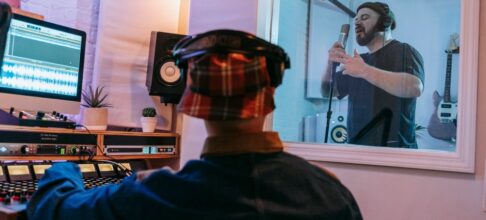
If you ever sat in a crowded edit suite while a studio engineer painstakingly adjusted breaths and syllables, you know that American voice over is never as simple as it sounds. Producers in New York will tell you: nothing derails a campaign schedule faster than miscasting a voice talent for a national spot—especially when the client expects “neutral” American but wants just enough character to cut through Midwest radio static. That tension between authenticity and marketability? It defines the industry more than any technical breakthrough.
Not Just Talking Heads: The Unseen Craft
The public image of voice acting in America—thanks in part to the pop-culture mythos of Don LaFontaine’s movie trailer dominance in the 90s—is all velvet baritones and dramatic pauses. But most days, real work happens far from Hollywood, in modest booths at places like Sound Lounge (NYC) or Atlas Talent (Los Angeles). On an average Tuesday, you might find five actors auditioning for eLearning modules—those long-form narrations that keep corporate compliance wheels turning across + Fortune firms each year.
Regional Accents, Global Clients
In Austin, Texas, indie game studio Twisted Pixel faces a recurring challenge: localizing dialogue for their flagship titles into “standard” American English. Their original scripts are peppered with Texan idioms—a charm for domestic players but flagged by Sony’s localization QA teams looking to push games into European and Asian markets. The solution? Hiring remote voice actors from Chicago or Seattle who can read lines with minimal regional coloring. In practice, about % of their casting calls specify "General American" accent as non-negotiable.
A Workflow Built on Deadlines and Decibels
The day-to-day workflow at a mid-sized localization agency like Keywords Studios (with offices spanning from Dublin to Burbank) often starts with receiving massive raw audio files from North Carolina-based home studios. Since the pandemic normalized remote recording setups, agencies now juggle thousands of Dropbox links per quarter—each containing hours of takes that must be de-breathed, leveled, and synced. One project manager admitted last year they had "over hours of narration" delivered across six time zones for just two AAA game projects.
This decentralization is both blessing and curse: more diverse talent pools—but endless QC headaches. Half-finished takes arrive labeled "Final_v3," background traffic noise sneaks into what should be dead-silent meditation app scripts, and even seasoned actors sometimes send files recorded on Blue Yetis instead of Neumanns. As one post-production supervisor put it: “We spend more time cleaning up well-meaning home audio than directing performances.”
The AI Factor—Not Quite There Yet
AI voice synthesis is everywhere in tech press releases but less so on actual network TV spots. When ElevenLabs introduced its voice cloning platform in , several LA ad agencies ran pilots to see if synthetic voices could replace human reads for explainer videos or short radio tags. Results were mixed; despite rapid improvements, producers reported that over % of clients still preferred live actors—citing emotional range issues and uncanny glitches during longer reads.
Even so, small production companies in Warsaw or Berlin have started weaving AI-generated American English overdubs into low-budget YouTube content aimed at US viewers—a workaround when native VO talent can't be sourced fast enough or affordably. Here’s where scale matters: platforms like Upwork report a steady uptick (by some internal estimates around % year-on-year since ) in requests for "American-style synthetic narration" for product demos.
Case Study: Netflix Dubbing Labs’ Multilingual Machine Room (Los Gatos)
A landmark moment arrived in when Netflix opened its Los Gatos Dubbing Labs with dedicated sound suites designed specifically for premium multi-language dubbing—including high-profile titles needing “unaccented” American English tracks for global reach. Their model? Each show gets cast locally but must pass an additional review by linguists trained to spot regionalisms or dated slang that could jar overseas audiences.
It’s not uncommon for productions here to rerecord entire seasons because one lead slipped into New Jersey vowels halfway through an episode arc—a process costing up to $20K per hour when factoring studio time and union rates under SAG-AFTRA contracts.
Union Lines—and Workarounds Across Borders
While major agencies and networks play by SAG-AFTRA rules stateside, smaller Canadian animation houses often skirt these boundaries by casting non-union American actors remotely via platforms like Voices.com or Bunny Studio. This creates friction: US-based artists complain about rate undercutting and lost residuals; meanwhile Toronto studios defend it as necessary pragmatism given budget constraints on kids’ series running dozens of episodes per season.
One producer candidly admitted during Kidscreen Summit Toronto (): “If we only used LA union talent our costs would jump by %. For streaming-first projects targeting US teens, we need speed—and access.”
Numbers Behind the Mic—And Changing Tastes
By most industry accounts, demand for American English voice over grew steadily throughout the streaming boom years (–), especially as global content platforms like Disney+, HBO Max, and Hulu raced to localize catalogs simultaneously across continents. Insiders at Deluxe Media recall handling up to threefold increases in monthly VO bookings during early pandemic months—a logistical feat involving round-the-clock coordination among engineers split between Burbank and Bangalore.
But tastes shift quickly too: advertisers tracking ROI on TikTok campaigns discovered that overtly polished VO tracks sometimes underperform compared to recordings done on iPhones or Zoom mics—the latter perceived as "authentic" by younger listeners gravitating toward influencer-driven content streams.
---
#### More Than Just Words—The Industry Pulse
The heart of American voice over isn’t found in glossy demo reels but inside scattered filesharing folders, makeshift home closets lined with foam tiles, midnight email chains coordinating retakes before Monday air dates. From Polish indie studios rushing out dubbed trailers to Manhattan agencies wrangling last-minute alt reads from Brooklyn flats—the work remains stubbornly human even as automation looms closer every year.