A Quiet Revolution Behind Glass Doors
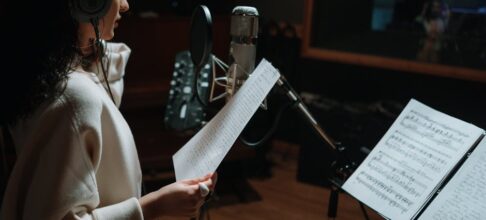
In the Rue de la Pompe district, studios like Audi'Art have spent decades perfecting what amounts to invisible art—the seamless adaptation of global content into fluent, emotive French. Until recently, workflows here depended on carefully scheduled sessions with established performers and trusted sound engineers. But since , even these storied spaces have started weaving advanced speech synthesis tools into their pipelines—sometimes to fill minor roles or generate scratch tracks for early edits.
A senior engineer at Audi'Art confided during a spring roundtable: "Roughly % of our recent projects now involve some degree of synthetic voice technology—not just tests, but real deliverables. Five years ago it was virtually zero." The industry isn’t throwing away its microphones yet, but there’s no denying things are shifting rapidly.
Streaming Platforms Redraw the Map
The main driver? Streaming giants such as Amazon Prime Video and Disney+, which demand fast turnarounds across dozens of markets. In France specifically, local compliance rules require precise adaptation—lip-sync for live-action dubs is non-negotiable due to audience expectations shaped by generations of Canal+ and TF1 blockbusters.
Mid-sized localization vendors like TransPerfect Paris now juggle hybrid teams: experienced French actors working alongside prompt engineers who fine-tune neural TTS systems (notably Respeecher and Voicemod). For an average eight-episode drama series, up to half the temporary background voices may be generated synthetically before final recording sessions lock in lead roles.
Gaming Studios Experiment Beyond Linear Narratives
A different set of pressures face gaming studios headquartered in Lyon or Montpellier. Ubisoft’s local branches frequently commission hundreds of hours of incidental dialogue per release cycle—a logistical headache under classic VO models. By late , two out of four major productions managed at Ubisoft Montpellier quietly piloted AI-powered voice iteration for non-player characters during pre-launch phases.
Producers report that early dialogue passes using neural synthesis cut initial casting costs by around %, freeing up budget for high-profile actors on flagship story arcs. But most are quick to admit these synthetic lines still require careful post-editing—"the uncanny valley effect can sabotage immersion," said one project manager involved in the Far Cry franchise localization.
Historic Milestones That Set Today’s Baseline
Go back twenty years: In the early 2000s, French VO meant unionized talent lists, paper scripts marked by hand, and mixing desks crowded with coffee cups and reference VHS tapes. That changed after the mid-2010s when platforms like Netflix entered France—with Netflix alone quadrupling its dubbed content output for Francophone markets between and according to syndicate insiders.
This surge forced studios from Marseille to Montréal to scale up capacity—sometimes doubling their pool of freelance actors within three years—and invest in workflow automation tools like VoiceQ or Wwise for better script tracking across languages.
Contradictions at the Core: Authenticity vs Efficiency
The tension is palpable when discussing authenticity with seasoned directors at studios like Dubbing Brothers Paris (whose credits include Oscar-winning imports). They champion human nuance but acknowledge realities: "Clients want options faster than ever," noted one artistic director last winter. "But if you automate too much, you lose those tiny hesitations that make a character believable." Some campaigns now blend both approaches—AI temp tracks inform performance direction before final retakes happen with live actors.
Meanwhile, younger producers coming out of institutions such as La Fémis are more open to hybrid workflows—they grew up on YouTube dubs as much as cinema classics. Their projects often use synthetic voices during animatics or early edits before switching over fully human casts closer to release deadlines—a pattern observed consistently since about in several Parisian animation houses.
International Pressure Points—from Berlin to Sydney Studios
This isn’t just a Parisian phenomenon. In Berlin-based localization shops servicing pan-European game publishers (think Daedalic Entertainment), similar patterns emerge: German-to-French adaptations may start with deep learning TTS engines like Descript’s Overdub before transitioning to native-speaking artists for key dialogue branches.
In Australia’s media hubs—in particular Melbourne-based creative agencies producing global ad campaigns—French-language variants are increasingly handled via remote collaborative platforms such as Source-Connect combined with regional freelancers. One agency executive mentioned during an APAC audio summit that “over %” of their continental European ad spots delivered since mid- used some element of synthesized speech in client review stages—even if all final broadcast versions revert to human talent.
Real Campaign Example: FMCG Brand Launches Across Borders
Consider a recent real-world scenario—a popular Swiss FMCG brand preparing simultaneous rollout TV spots across Belgium and southern France through mid-. Rather than booking full studio sessions in Brussels and Lyon upfront (as would have been standard five years prior), their agency worked initially with French-trained AI voices via Play.ht for test animatics sent through Slack channels between creative leads scattered across Geneva and Avignon. Only once core messaging was approved did they bring in established performers from Lyon Sound Studio for polished takes destined for prime-time slots on TF1 and France Télévisions networks.
The result? Internal review cycles shrank from weeks down to days; costs reportedly dropped by roughly % compared with previous campaign launches according to one production coordinator involved—a figure consistent with broader anecdotal trends emerging throughout Western Europe over the past two years.
Not Everyone Buys Into Automation Hype—Yet
Despite all this forward momentum, resistance persists among veteran voice artists’ unions (notably SNTPCT), who warn that unchecked adoption could erode living wages or dilute craft standards built over decades. Several strikes disrupted game and streaming dubbing timelines in autumn following disputes about royalty structures on AI-assisted productions—a reminder that technological progress rarely arrives without friction here.
And then there’s audience perception itself: focus groups run by M6 Media Labs showed subtle pushback among older viewers when exposed to entirely synthetic performances—even if most couldn’t articulate exactly why certain lines felt “flat.” Younger demographics were less bothered but still preferred mixes where core roles carried recognizable inflections unique to established stars from stage or screen backgrounds.
What Lies Ahead: Cautious Acceleration
If anything defines today’s landscape it is neither full digital replacement nor stubborn nostalgia—it is pragmatic blending driven by economic reality and creative ambition alike. As late as January , surveys conducted among Paris post-production managers suggest hybrid workflows will likely dominate major commercial projects through at least the next three years; pure-AI solutions remain largely confined to internal drafts or low-stakes e-learning modules outside flagship content categories.
iPhone-grade home setups mean even small-town talents from Nantes can now pitch globally without stepping foot inside Boulevard Haussmann studios—but this democratization brings its own headaches around quality control and rate negotiation. Established agencies scramble to redefine value amid a flood of amateur auditions landing daily via platforms like Bodalgo or Voices.com tailored specifically for Francophone buyers since expansions into continental Europe markets.
One thing is certain: ask anyone who actually sits behind those glass studio doors each week—the definition of ‘voice over’ work keeps changing beneath their feet.