What Is American Voice Over?
Voice over (VO) is the art of providing voices to represent characters or narrate stories in various types of media, including commercials, films, video games, animation, audiobooks, and corporate applications. American voice over specifically refers to voice talent originating from or tailored to the United States market, encompassing the diverse accents, linguistic styles, and cultural nuances prevalent across the country.
The voice over industry in the U.S. is one of the largest globally, driven by Hollywood’s entertainment machine, a booming advertising sector, and an expanding digital content ecosystem.
The History and Evolution of American Voice Over
American voice over dates back to the early radio broadcasts of the 1920s and 1930s when announcers and actors used their voices to entertain and inform audiences. The golden age of radio paved the way for voice acting in animation and commercials. Throughout the mid-20th century, iconic voices like Mel Blanc (the voice of Bugs Bunny and Daffy Duck) elevated the craft to an art form.
With the advent of television, voice over expanded into commercials and promos, solidifying its key role in advertising. The digital age has since revolutionized the industry, making remote recording, digital distribution, and global collaboration the norm.
The Importance of American Voice Over in Media and Marketing
Voice over adds personality, authenticity, and emotional depth to content. In advertising, a compelling VO can increase brand recall and conversion rates. For animation and video games, it creates engaging and believable characters that resonate with audiences.
American voice talents bring a variety of regional accents and dialects — from Southern drawl to New York grit — enabling producers to connect with specific demographic groups across the country. Moreover, American English voice over artists are frequently sought for global projects because American media often sets linguistic and cultural trends.
The Voice Over Process: From Audition to Final Mix
1. Casting and Auditioning
The journey begins with casting. Producers or casting directors issue breakdowns detailing the project’s requirements, including tone, style, and character descriptions. Voice actors submit auditions either in-person or through digital platforms. Agencies often manage this process, matching talent with roles.
2. Script Preparation
Once selected, the voice actor receives the script. They review it thoroughly, understanding context, emotion, and key pronunciation points. Some projects require collaboration with directors to tweak delivery.
3. Recording Sessions
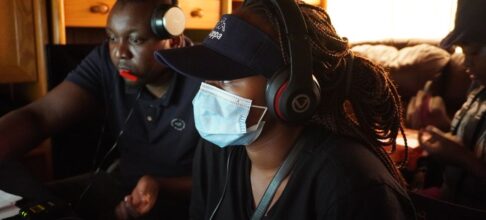
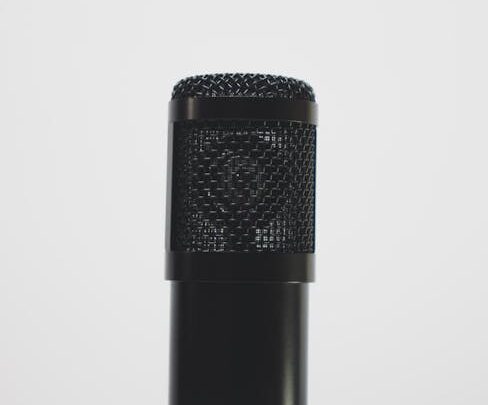
Recording can occur in professional studios or, increasingly, at home studios equipped with high-quality microphones and soundproofing. The actor records multiple takes, exploring different delivery styles. Directors provide real-time feedback to fine-tune performances.
4. Post-Production and Editing
Engineers clean up the audio by removing background noise, adjusting volume levels, and adding effects as needed. The final mix ensures clarity and aligns with the overall project’s sound design.
5. Delivery and Implementation
The finished files are delivered in required formats for integration into commercials, animations, or digital platforms.
Challenges Faced by American Voice Over Artists
- Competition: The industry is competitive, with thousands of talented voice actors vying for roles.
- Technological Adaptation: Keeping up with the latest recording technology and home studio standards is essential.
- Vocal Health: Maintaining voice quality requires careful health practices to avoid strain or loss.
- Typecasting: Some actors struggle with being pigeonholed into certain roles or accents.
- Globalization: International talent pools broaden choices for producers, increasing pressures on American talents to diversify skills.
- Develop your vocal skills through coaching and consistent practice.
- Invest in quality recording equipment or access professional studios.
- Create a diverse demo reel showcasing your range.
- Network within the industry and consider joining agencies.
- Stay informed about industry trends and continuously adapt.
Future Trends in American Voice Over
1. Remote Work and Virtual Studios
The pandemic accelerated remote recording adoption. Today’s technologies allow seamless collaboration across continents, expanding opportunities for American voice talents.
2. AI and Synthetic Voices
Artificial intelligence is transforming voice over with synthetic voices capable of mimicking human tone. While this presents competition, it also creates new roles for voice actors in training and overseeing AI voice production.
3. Diversity and Inclusion
There is a growing push for authentic representation in voice roles, encouraging diverse talent to contribute to projects reflecting America’s multiculturalism.
4. Interactive Media and VR
Voice over is increasingly integral to virtual reality experiences, interactive storytelling, and immersive gaming, requiring voice actors to adapt to new performance styles.
How to Break into American Voice Over
Conclusion
Behind American voice over lies a vibrant and evolving industry that combines creativity, technology, and cultural nuance. Whether bringing cartoons to life, narrating compelling stories, or selling products, American voice over artists play a critical role in shaping how audiences experience media. Understanding the history, process, and future of this art provides insight not only into the craft itself but also into broader trends in entertainment and communication.
For those captivated by voice acting or looking to hire voice talent, appreciating what happens behind the microphone is essential to unlocking the true power of the American voice over industry.