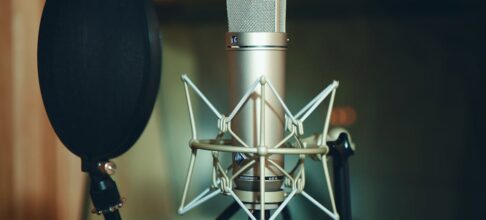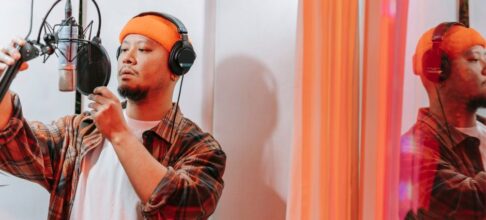
It’s a peculiar thing: German voice over is everywhere, but you rarely notice it unless something goes wrong. Watch an episode of “Stranger Things” dubbed on Netflix in Hamburg and you’ll hear it—impeccable, invisible work. Switch to an indie game localized for Berlin’s Steam audience, and it’s there too, blending seamlessly into pixelated worlds. Yet behind this cultural camouflage lies a set of contradictory pressures that most international audiences never see.
The Pressure Cooker in Munich Studios
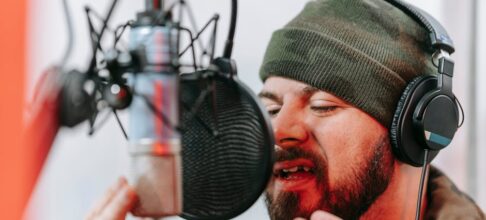
Here’s what rarely makes the press releases: the actual daily grind inside German dubbing houses like FFS Film- & Fernseh-Synchron GmbH. Picture soundproof rooms with actors hunched over scripts, deadlines looming as producers pace outside glass booths. By , Germany had become one of Europe’s largest markets for dubbed content—roughly % of foreign TV and film distributed locally arrives redubbed.
But studios like FFS aren’t only churning out Hollywood blockbusters. In , their roster included everything from South Korean thrillers to Spanish rom-coms destined for ARD’s late-night slot. Schedules are relentless: sometimes ten episodes per week, each needing dozens of characters voiced by a rotating cast of freelancers who have learned to jump between dialects and emotional registers at speed.
From Leipzig to Los Angeles: The Global Loop
A lesser-known workflow has emerged since the streaming boom circa . International platforms such as Amazon Prime Video or Disney+ routinely commission German voice overs not just from Berlin but via global post-production networks. A quirky scenario observed in mid-sized Leipzig studios involves audio files arriving at midnight from LA editors; local teams then scramble to record new lines before dawn for same-day upload.
One studio owner I spoke with off the record described their process: “There are weeks when we’re syncing dialogue written two hours ago in California with actors who’ve just driven across Saxony after finishing radio ads.” Some projects are so rushed that pronunciation guides arrive by WhatsApp during takes.
Gaming Voices, AI Experiments—and Friction
The games industry brings its own set of headaches—and experiments—in German voice work. When Ubisoft released "Assassin’s Creed Valhalla" (), localization required more than lines delivered by nearly thirty different voices just for German players alone. But unlike film dubbing, where tight lip sync dominates, game studios prioritize emotional range and rapid turnaround over perfect mouth movement alignment.
In , several Polish and Estonian game developers began experimenting with synthetic voices for first-pass German tracks using tools like Replica Studios’ AI engine—especially for non-player character chatter or quick beta iterations before real actors stepped in. For now, these AI-generated voices don’t replace professional talent but offer draft versions that cut early costs by about %, according to one localization manager based in Warsaw.
Casting Choices That Spark Controversy
Every few years a casting decision triggers public debate—sometimes even national headlines. When Netflix cast the well-known voice actor David Nathan (famous as Johnny Depp's go-to) as Geralt in the German dub of "The Witcher," fans erupted online because they associated his tone too strongly with other roles. Similar controversies have played out since the early days of synchronized sound in Germany—the infamous re-dubbing scandals involving Marlene Dietrich films back in the late 1950s still echo today among old hands at Bavaria Filmstadt.
Budgets and Backroom Deals: Who Gets What Work?
Another under-discussed factor is how budgets trickle down from big streamers to smaller local agencies—often dictated less by artistic merit than network ties or union negotiations. A common pattern in regional cities like Düsseldorf involves boutique agencies landing major contracts simply due to long-standing relationships rather than open auditions or demos.
And while rates for top-tier voice talent have risen around –% since due to streaming demand (according to data shared by Verband Deutscher Sprecher e.V.), most entry-level narrators still hustle between audiobook gigs and advertising reads just to make ends meet.
Berlin’s Indie Scene vs Corporate Consistency
There’s another contradiction beneath the surface—a creative tension between Berlin’s experimental indie scene and large commercial studios chasing consistency above all else. At Studio Funk near Kreuzberg, directors might encourage improvisation during session takes for arthouse projects bound for ZDF Kultur—even if it means retakes or missed cues—but a parallel project destined for Sky Deutschland will demand rigid script adherence and five-minute delivery windows per spot.
A Mini-Case: Turning Around a Series Overnight
Consider a late- scenario at SDI Media Germany (now part of Iyuno-SDI Group): A Swedish detective series lands unexpectedly on RTL Zwei’s schedule with barely four days' notice until broadcast. Within hours, SDI scrambles four directors and twenty freelance actors into night sessions—scripts revised on-the-fly as legal clearances change and rights issues emerge mid-recording. The final mix is uploaded hours before air time—a feat only possible thanks to cloud-based project management tools rolled out after pandemic-driven remote workflows became standard across European hubs.
Invisible Craftsmanship—and Its Human Toll
For all its technical polish, much of German voice over remains invisible labor; hundreds of professionals whose names rarely appear onscreen but whose performances shape what millions experience nightly on ARD Mediathek or MagentaTV streams. Turnover rates remain high among junior staff (industry insiders estimate nearly one-third leave within two years), largely due to brutal crunch periods tied directly to quarterly release calendars set by US-based parent companies.
So next time you hear pitch-perfect emotion coming through your favorite dubbed series—or wince at a mismatched accent during a blockbuster launch—it might be worth remembering the intricate human choreography unfolding behind those closed studio doors.