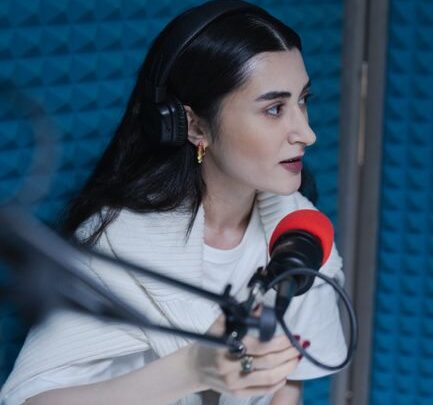
It’s 7:40 p.m. in Zagreb, and the post-production suite at Studio Nazor is anything but quiet. Two voice actors sip coffee, waiting to record Croatian-language lines for a new season of an animated series—one that, not so long ago, would have arrived subtitled or dubbed in German. Today, Netflix has greenlit full-Croatian localization, with instructions channeled through London-based VSI Group’s regional arm. What might sound like another day at the mic is actually a small economic engine at work—one that’s been quietly shifting gears across Croatia since the mid-2010s.
Beyond Surtitles and Substitution: Localization as Leverage
For decades, international content came to Croatia via subtitles or off-screen narration. The transition to full-scope Croatian voice over (VO), particularly for streaming platforms and gaming, didn’t just elevate audience experience—it unlocked new jobs for local talent, scriptwriters, linguists, audio engineers. Post-2015, as Netflix expanded its Central European slate (with shows like “Stranger Things” receiving Croatian VO), mid-sized studios in Split and Rijeka reported up to 35% increases in annual project volumes by 2018—a jump that forced them to hire additional staff and invest in upgraded recording booths.
Realistically, these are not figures that flood national GDP reports; they’re more like steady drips into the creative sector’s reservoir. In practice? Studio Nazor handles about 80 projects per year now—double what it managed a decade ago—and employs five full-time sound editors who previously juggled freelance gigs across advertising and radio.
A Workflow Snapshot: When Gaming Comes Local
Take the case of Gamepires—the Zagreb-based developer behind “SCUM,” one of Steam’s breakout survival games. In 2021, facing demand from domestic fans for localized content (and nudged by a lucrative deal with a Polish publisher whose own market had seen significant revenue bumps after adding native language voice options), Gamepires commissioned a full Croatian VO pass for its multiplayer campaign.
The workflow was granular: casting calls at local acting schools; scripts handed off to a translation team specializing in Balkan dialects; three weeks of studio time split between two locations; QA passes done by gamers themselves recruited through Discord servers. The cost? Not trivial—roughly €40,000 on top of original production budgets—but within six months post-release, user engagement metrics from Croatia jumped by almost 20%. More importantly: merchandise sales tracked regionally saw their first meaningful uptick since launch.
Small Markets, Big Impact: Why It Matters Where You Speak From
It’s tempting to dismiss the economic impact of such voice over projects as marginal—a few dozen actors here or there earning session rates between €50–€200 per hour depending on prominence. But multiply that across dozens of Netflix series each quarter, add several annual game releases with full localization (often funded partly by EU Creative Europe grants), then factor in educational media (e-learning modules for Croatian schools using local narrators since pandemic-era remote learning)—the numbers start stacking up.
In 2019 alone, according to rough estimates shared by regional localization managers at SDI Media (now part of Iyuno-SDI Group), direct spending on Croatian-language dubbing and VO hovered around €2 million annually—a figure up more than 60% from pre-2015 levels. That doesn’t account for secondary spend: equipment suppliers in Osijek reporting bigger orders for microphones and mixing consoles; hospitality businesses seeing higher bookings from out-of-town voice talent during marathon recording sessions.
The AI Tension: Promise or Peril?
By late 2022, whispers about synthetic voice technology started circulating in Zagreb’s production circles—especially after Respeecher and ElevenLabs landed major contracts with global media giants. Would AI voices gut the gains made by human performers? So far—not quite.
A typical scenario recounted by managers at Nova TV involves hybrid workflows where AI-generated scratch tracks help speed up timing checks but final broadcast versions still rely on flesh-and-blood actors for emotional nuance. Studios report saving about 10–15% on pre-production timelines but haven’t cut human talent yet; if anything, pressure mounts on directors to deliver even higher-quality performances as clients compare every syllable against machine output.
International Brands Betting Local Pays Off
Consider the case of Nickelodeon Adria rolling out new children’s programming fully voiced in Croatian starting in 2016—a move prompted partly by Disney Channel’s earlier success with similar strategies across Hungary and Poland. Market research conducted internally suggested that children aged 5–12 were twice as likely to recall brand slogans when delivered in their home language versus subtitled alternatives.
The knock-on effect wasn’t limited to ratings alone: merchandising deals accelerated as recognizable character voices became part of kids’ daily routines—leading toy importers based near Zadar reported double-digit sales growth following each dubbed show launch cycle.
Diaspora Dynamics: Exporting Identity Through Soundwaves
There’s another layer often missed in economic tallies—the role of Croatian VO content exported back into diaspora communities abroad (Germany's Frankfurt area alone counts over 30,000 Croats). Several Toronto-based e-learning platforms catering to expat families began commissioning original Croatian narration for heritage language courses around 2020; demand spiked during pandemic lockdowns when travel was impossible but cultural connection remained essential.
This creates micro-economies outside national borders—a handful of freelance narrators working remotely from Dubrovnik find steady side income voicing everything from real estate promo videos aimed at Canadian buyers to animated bedtime stories streamed via smart speakers throughout Western Europe.
Training Grounds: Growing Talent Pools Sustainably
Every spring since 2017 sees amateur actors lining up outside Zagreb’s Academy of Dramatic Art hoping for a slot in intensive VO workshops run by seasoned studio directors like Ivana Vukovic (previously head ADR director at RTL Hrvatska). These sessions fill within hours—a testament not just to job prospects but also rising professional standards demanded by global clients looking for consistency across markets.
Meanwhile, technical colleges report growing enrollment numbers among audio engineering students citing video game localization as an explicit career target—an echo effect traced directly back to major outsourcing contracts signed locally since mid-2010s expansion booms led by international streamers.
Not Just Entertainment: E-Government Gets A Voice
Local authorities have caught on too—in late 2021 the City of Rijeka launched multilingual public service announcements including fully narrated Croatian versions using professional studio voices rather than bureaucratic monotones. Feedback surveys run afterward indicated nearly triple the information recall rates compared with previous automated robocalls—a small but telling shift hinting at how cultural nuance impacts everything from health policy compliance to disaster response preparedness.
No surprise then that tech startups sprouting along Dalmatian coastlines increasingly pitch custom VO solutions as part of their SaaS offerings targeting tourism boards keen on accessibility compliance ahead of upcoming EU digital mandates.