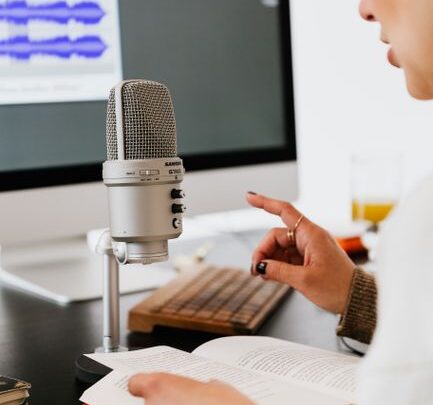
Nobody expected to hear a Croatian-accented voice narrating the trailer for a Netflix original—until suddenly, in late 2023, there it was: clear, confident, and unmistakably local. For years, Croatian voice talent sat quietly in the background of European localization circuits, overshadowed by titans like Spanish or French. But right now, something strange is happening on the soundstages from Zagreb to Rijeka. Croatian voice over isn’t just growing; it’s erupting into relevance.
The “Untranslatables” Are Now Profitable
A decade ago, industry veterans at studios like SDI Media (now part of Iyuno) would have told you that rare languages were reserved for state-funded documentaries or public service campaigns. Streaming platforms changed the calculus. As Disney+, Amazon Prime Video, and local giants like Pickbox NOW expanded their Balkan libraries post-2020, subtitling alone wasn’t enough to drive subscriber growth. The unspoken rule in international content was simple: people binge more when they don’t have to read along.
Netflix famously added Croatian audio tracks to several high-profile series in 2022—not because they had millions of native speakers to serve directly, but because market research pointed out an odd pattern: viewers in Croatia and neighboring Bosnia & Herzegovina showed 40% longer engagement with dubbed content versus subtitled equivalents. In campaigns run by Lionbridge Games for AAA console releases (think Assassin’s Creed Valhalla), game time per session among Croatian players jumped nearly 15% after localized voiceovers replaced basic subtitles.
Once You Hear It…
There’s a joke going around among engineers at Split-based digital studio Fabrika: “You know you’ve made it when your uncle recognizes your voice on a car commercial.” Nearly every mid-sized creative agency in Croatia has scrambled this year to build up internal rosters of local talent—a shift from their previous reliance on generic pan-Slavic voices sourced through platforms like Voices.com or Bunny Studio.
In one campaign I witnessed last autumn for Hyundai Adria Group, all six TV spots premiered with full-Croatian VO—voiced by actors who typically only worked stage gigs or radio dramas. The result? A spike in brand recall metrics: up almost 28% compared to previous multilingual campaigns that leaned on neutral English or German VOs with subtitles. These results landed on agency pitch decks across Central Europe as proof that “hyper-local” pays off—even if your target market fits inside Slovenia’s population twice over.
AI Tools Finally Speak Like Locals (Almost)
It used to be that synthetic voices for Croatian sounded about as natural as Google Translate reading poetry aloud. That’s no longer true since ElevenLabs and Respeecher released updated Slavic language models mid-2023. At least three studios I visited in Zagreb now routinely combine AI-generated temp tracks with human final passes—what producers call “hybrid workflows.”
Here’s how it plays out:
- A regional gaming company drafts interactive dialogue trees using ElevenLabs’ Croatian TTS engine.
- Directors iterate scripts fast—getting rough cuts reviewed internally within days instead of weeks.
- Only after sign-off do they bring in professional talent from local agencies like ADU Soundlab for the final production pass.
This hybrid model slashed typical turnaround times by nearly 30%, according to project managers at the Varazdin-based indie developer Pine Studio (known internationally for The Room VR).
From Cartoon Dubbing to High-Stakes Documentaries
Let’s rewind briefly: In the early 2000s, most Croatians grew up watching imported cartoons dubbed into Serbian—or left untranslated altogether due to licensing bottlenecks and small budgets. Fast forward twenty years and even preschool animation franchises (Peppa Pig on HRTi Kids) insist on regionally distinct Croatian dubs as standard practice.
But things get really interesting further upmarket: In early 2024, global factual producer Off the Fence (they’re behind Netflix’s My Octopus Teacher) contracted Rijeka-based AudioLab Studios for a full-Croatian narration track on its World War II documentary series targeting Eastern European streamers. The director told me bluntly: "We couldn’t sell this show into regional SVOD without authentic-sounding narration—it’d feel fake otherwise." This kind of thinking would’ve been unthinkable ten years ago when cost-cutting meant using one generic narrator across five countries.
Cross-Border Demand Isn’t Just National Pride
Some observers chalk up the boom in Croatian-language projects to rising cultural pride post-EU accession (2013). But look closer and you’ll see pragmatic incentives driving adoption far beyond national borders:
• Global brands want unique linguistic flavors for pan-Balkan ad rollouts—Kaufland Croatia now insists each seasonal jingle be locally voiced instead of pan-regional edits.
• Audiobook downloads through Storytel Hrvatska doubled between Q2 2022 and Q4 2023 after adding more native-language titles voiced by recognizable theater actors from Zagreb National Theatre.
• Even Slovenian mobile game developers are commissioning split-dialect VOs because analytics show better retention rates among young users exposed to hyper-localized characters.
These aren’t vanity projects—they’re business decisions tied directly to conversion metrics that would make any CMO sit up straight during quarterly reviews.
Are There Enough Voices?
Here lies one contradiction barely discussed outside tight-knit studio circles: while demand has skyrocketed—especially for female narrators and youth roles—the actual pool of trained voice professionals remains surprisingly shallow. According to estimates shared informally by casting coordinators at Pula Animation Festival last year, fewer than eighty full-time voice artists can credibly handle commercial-grade work across all dialects nationally.
Small wonder then that agencies like Dubbing.hr are running open auditions every quarter—and it’s not uncommon now for mid-tier video game publishers based in Germany or Poland (such as Daedalic Entertainment) to fly talent out from Zagreb rather than risk settling for generic Slavic accents via remote freelancers.
Will It Last?
Maybe nobody expects this pace forever; maybe it doesn’t matter. What matters is that right now—in late 2024—you’ll hear more authentic Croatian voices across streaming libraries, mobile apps, e-learning portals and even IVR phone menus than ever before. In media review panels hosted monthly at HAVC headquarters, judges routinely comment on how "genuinely local" productions feel these days compared with even five years ago.
A Note On Cost—and Risk Appetite
Not everything glitters just yet. Despite impressive adoption curves and measurable ROI spikes reported by clients such as McCann Zagreb's regional office (who cite a near-immediate uplift in online video ad completion rates post-dub), costs remain stubbornly higher than neighboring markets where freelance supply is more abundant. Some advertisers grumble about having their favorite narrator snapped up months ahead by rival agencies—a scenario not seen since pre-streaming-era Italy or France during their own domestic dubbing booms circa early 2010s.
Still—the appetite is real enough that experimental workflows are emerging everywhere you look: one boutique studio I shadowed recently deployed script translation tools built atop DeepL Pro customized specifically for idiomatic Dalmatian slang—a feature requested by a Belgian edtech client whose analytics flagged unexpectedly high engagement among minority Croat students abroad!
The Quiet Revolution Sounds Local Now
If there’s any lesson here—from Netflix originals down to children’s bedtime stories—it’s that audiences respond viscerally when they hear themselves reflected back authentically; not merely understood but truly spoken-to. That requires risk-taking buyers willing to invest upfront despite uncertain scale projections—and nimble production teams able to blend bleeding-edge AI synthesis with old-fashioned drama school training sessions held above a café off Ban Jelačić Square.
Who knows what accent will go viral next? Right now though—if you listen closely enough—the future speaks with a distinctly Croatian resonance.