Paris Isn’t Everything Anymore
It wasn’t always like this. Historically, every major foreign series dubbed into French flowed through the hands (and mouths) of studios inside Paris’ périphérique. Think Audiophase or Titrafilm—names whispered with reverence among TV buyers at MIPCOM circa 2015. But since 2020, several mid-sized game developers in Lyon and Montpellier have started bypassing traditional Parisian pipelines altogether. Instead, they’re sending scripts directly to freelance voice talents equipped with home recording kits—a pattern also seen in German localization hubs like Hamburg but newer to France’s tightly unionized scene.
A Real Workflow: Ubisoft’s Branching Tree
Ubisoft’s Montpellier office provides a clear example here. For their multi-language game “Riders Republic,” launched in late 2021, they ran their French voice track parallel to English rather than waiting for final scripts—a logistical leap that trimmed turnaround by roughly 20%. Engineers set up cloud-based review folders on Frame.io; talent uploaded takes from personal booths as far afield as Brussels or Nice. The result? Faster updates for live service content patches and less reliance on booking central studio time weeks in advance.
The Dub That Broke the Camel’s Back
Netflix France commissioned an ambitious full-cast dub for "Arcane" in late 2021—notable for its blend of veteran film actors and young YouTubers with zero studio background. The move sparked debate across local forums (notably Planète Doublage), where old-school professionals questioned whether streaming platforms were eroding standards or simply reflecting evolving audience tastes. The finished product drew record viewership among Gen Z francophones—proof that risk doesn’t always equal regret in adaptation decisions.
Generative AI: Intrusion or Integration?
In real workflows observed at Marseille-based post house Miroslav Postprod, synthetic voices aren’t replacing lead characters—yet—but are filling minor crowd roles and placeholder tracks during pre-mix stages. Since early 2023, Miroslav has used Respeecher (an AI voice cloning tool) to generate scratch dialogue for client review before hiring live talent—a process now found in about 30% of their serialized animation pilots.
One producer confided off-record: "For main roles we stay human—it’s part art, part insurance policy against uncanny valley backlash." Yet it’s common knowledge inside these walls that tight deadlines for advertising campaigns (especially those timed to big retail events like Noël) are seeing more AI pass-throughs each season.
Remote Recording: Not Just a Pandemic Blip
Before COVID-19 hit France in March 2020, less than 10% of professional French-language dubs happened outside formal studios; three years later, insiders peg that number closer to 35%. At Voxity Studio (a boutique operation near Strasbourg), directors use SessionLinkPRO daily to guide performances remotely—sometimes even coaching non-native speakers based in Quebec or Dakar for pan-francophone projects.
What does this mean practically? In one recent campaign for Belgian supermarket chain Colruyt Group, recorded entirely using home setups across France and Belgium due to travel restrictions, audio engineers spent twice as long cleaning up room noise but delivered all assets within eight days—a speed unheard-of pre-pandemic.
Pricing Paradoxes and Labor Pushback
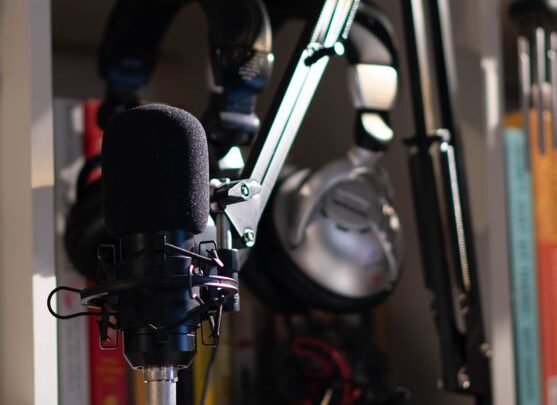
With more work happening remotely—and entry barriers lowering as USB mics get cheaper—the question of fair rates is hotter than ever. In spring 2022, the Syndicat Français des Artistes Interprètes (SFA) staged a one-day strike targeting Netflix’s Paris vendors over pay disputes tied to streaming distribution rights. While most large contracts remain union-protected (especially for broadcast TV), there’s mounting pressure from both new entrants and overseas buyers accustomed to lower Eastern European dubbing rates.
It isn’t unusual now for experienced narrators who once commanded €400 per session at big studios to negotiate piecemeal fees under €200 when working direct-to-client via Upwork or Bodalgo—for better or worse depending on your perspective.
The Old Guard vs New Voices: A Narrative Tug-of-War
A generational divide runs through nearly every local meetup I’ve attended since late-2021: older actors lament loss of craft (“no more ensemble chemistry!”); younger creators celebrate flexibility (“I can record gigs between Twitch streams!”).
Take Studio Makassar in Toulouse—once known mainly for heritage radio drama but now doubling revenue by onboarding TikTok personalities eager to lend voices to podcast serials and branded webtoons. Their head engineer told me last October that half their bookings come from influencers with no prior professional acting credits—a trend mirrored nowhere so strongly as in France’s vibrant audio fiction boom post-2018.
Localization Meets Globalization—And Identity Crisis Ensues
France remains fiercely protective of its language rules (the infamous Toubon Law still looms over every Anglicism uttered on air). Yet streaming-era realities bite hard: global content needs local flavor fast—and sometimes at odds with tradition.
Amazon Prime Video France recently drew ire after premiering several imported reality shows with what critics labeled "flat" localization—Parisian accents only; regionalisms erased; humor lost in translation. By contrast, Canal+ has doubled down on regional casting since mid-2022—hiring Breton and Provençal speakers for audio dramas set outside Île-de-France—a nod toward authenticity that hasn’t gone unnoticed by national press outlets like Le Figaro.
What Next? Contradictions Are Here To Stay
If there’s any certainty left amid all this flux it’s that tension defines today’s landscape:
- Legacy studios push back against decentralization yet quietly invest in remote collaboration tools themselves;
- Platform clients want faster turnarounds but increasingly demand locally resonant performances;
- Talent agents bemoan falling average fees while celebrating double-booked calendars made possible by remote tech;
and nobody can quite agree if AI should be embraced as collaborator or kept firmly behind glass as mere backup plan.
One thing is clear: whatever happens next won’t look much like what came before—even if some familiar voices survive the remix.