You’ll never hear the real story at a localization conference panel. At least, not about African voice work. The official line is always about growth, opportunity, and the mythic "untapped market." But if you sit with post-production teams in Johannesburg or listen in on remote recording sessions organized by European game studios, there’s a different narrative—a pattern of improvisation, cultural negotiation, and the quiet heroics of casting directors who can tell Xhosa from Zulu over a static-filled WhatsApp call.
The Audio That Never Makes It to Netflix
Let’s start with something most outsiders miss: If you stream African content on Netflix South Africa or Showmax in 2024, much of it isn’t actually voiced locally. Instead, the bulk of regional dubs—especially for kids’ animation or telenovelas—are still produced in major hubs like London or Paris, where larger agencies like VSI or Zoo Digital coordinate talent remotely. They might fly in a Nigerian actor for two weeks to record Yoruba lines for an entire series season. Budgets are tight; schedules tighter. More often than not, those voices are stitched together across continents and time zones—a workflow that leaves little room for authentic community input.
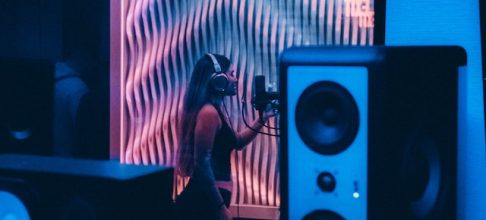
A Johannesburg-based audio post house I visited last year was patching together tracks for a Disney+ project with actors dialed in from Lagos and Cape Town. Local engineers swapped files via Google Drive because connectivity dropped every hour—"the Wi-Fi here dies after four," shrugged one tech as he rebooted his router under the mixing desk.
Language Is Never Just Language
Here’s what really complicates things: Africa is not one market but dozens of overlapping language realities. In Kenya alone, productions juggle Swahili (which itself splits into urban slang variants), English-influenced Sheng', and niche dialects like Kikuyu. For a recent BBC children's show dubbed into Amharic and Somali for Ethiopian broadcast, producers had to field-test samples to avoid inadvertently using urban slang considered disrespectful by elders—a mistake that got an earlier campaign pulled from Addis Ababa radio in 2018.
It’s common for global agencies to underestimate just how sensitive these distinctions are. A German localization company tried rolling out an AI-driven voiceover solution across West African markets last year—the tech worked well for French and English scripts but fell apart when fed tonal Bantu languages like Shona or Luganda. Syllable stress sounded off; intonation flatlined. The resulting demo was quietly shelved after adverse feedback from community reviewers.
The Patchwork Casting Reality Nobody Likes to Admit
In practice, finding professional-level actors fluent in written Hausa or Wolof is harder than any pitch deck admits. Studios frequently resort to hybrid workflows: A casting coordinator might locate native speakers on social media groups (WhatsApp is surprisingly powerful here). Then comes pre-recorded test scripts sent over Telegram; sometimes final sessions happen via Zoom with directors popping between Berlin and Accra screens.
This is not just theoretical—Griot Studios in Lagos managed the 2022 FIFA World Cup promo spots for Canal+ Afrique this way, cobbling together 12 micro-sessions across two weekends because none of their top Igbo narrators could secure visas fast enough to travel to Paris' main dubbing suites before deadline.
When Culture Doesn’t Fit the Script (Literally)
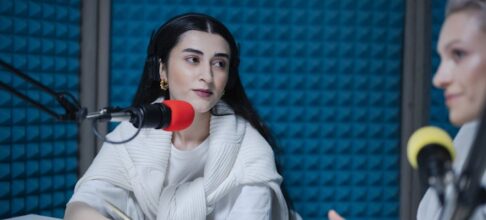
I sat through a session at M-Net studios where local translators debated whether a soap opera character should address her mother-in-law with formal respect terms that don’t exist in English subtitles—the director finally settled it by calling his own grandmother live on set for advice. This kind of negotiation happens daily—and usually goes unacknowledged until something hits social media backlash (see: multilingual ad campaigns pulled from Ghanaian TV after mispronounced Ewe names went viral).
Many outside agencies still treat local nuance as an optional extra—until they’re blindsided by unexpected outrage online. A 2021 Telkom campaign faced backlash after its supposedly "urban Zulu" spot aired using phrases only heard among older rural speakers; Twitter made quick work of that translation blunder.
Homegrown Tech Solutions Are Quietly Changing the Game
While Western AI tools struggle with tone-rich languages (Amazon Polly's attempts at Yoruba remain awkward at best), smaller regional outfits are quietly building solutions tailored to local needs. Nairobi-based Voa Labs has developed custom-trained models specifically for Kiswahili radio ads—they claim production times have dropped by nearly 30% since mid-2023 thanks to their text-to-speech engine fine-tuned on urban Kenyan inflections rather than textbook pronunciations.
Meanwhile, South Africa's ReelSound is experimenting with hybrid AI-human workflows where synthetic voices handle background crowd noise (“walla” tracks) while lead roles get traditional studio treatment—a setup tested during SABC's coverage of the Rugby World Cup last year when COVID restrictions limited cast size per session.
Distribution Headaches No One Talks About Enough
You’d expect growing demand means more content delivered faster—but actual distribution lags behind marketing hype. In Lusaka and Nairobi, mobile-first platforms like Kwesé-iflix see strong uptake among youth audiences keen on dubbed anime or K-drama imports dubbed into Swahili or French-African accents—but copyright clearances regularly delay releases by months as agencies scramble to finalize voice contracts across multiple countries and legal frameworks.
European providers such as SDI Media reported during their Q2 earnings call that up to 40% of projects involving multi-country African launches run into cross-border licensing snags—not due to lack of will but sheer administrative complexity compounded by language variation and fluctuating regulatory requirements.
Pricing Is Still Wildly Unequal—and Sometimes Absurdly Low
Ask anyone who’s negotiated voice rates locally: There’s no standardization yet worth speaking of. In Nigeria's booming advertising sector circa late-2023, rates ranged from $80 per finished minute at top-end studios down to $15 via informal freelance networks—a gap unheard-of in mature markets like Germany or France where union rates stabilize negotiations.
Some actors supplement income by reading audiobooks for educational nonprofits while moonlighting on IVR systems used by pan-African banks—a workflow pioneered by Studio24 Productions out of Nairobi back in early 2019 when they landed a contract voicing multilingual banking prompts now heard across East Africa.
Real Progress? Yes—but Not Where Marketers Say It Is
The biggest change isn’t visible in headline deals—it’s happening under the radar as small collectives pool resources: shared mic kits sent between homes during lockdowns; grassroots training workshops funded by diaspora investors; even pop-up “voice hackathons” organized across Johannesburg coworking spaces late on Fridays when regular gigs wrap up.
One example: VoiceUpSA started as three friends sharing gear over WhatsApp back in mid-2020; now it runs quarterly bootcamps attracting dozens of new talents who go on to book jobs with streaming platforms hungry for Ndebele-voiced content no agency could source before COVID forced everyone online—and onto cloud-based DAWs like Soundtrap instead of expensive studio bookings downtown.
What Nobody Tells You Unless You’re Actually There…
Africa’s voice industry doesn’t run according to global blueprints—or even regional ones drafted by big consultancies eager for numbers-driven optimism slides at trade shows. It thrives because someone always finds a workaround: patchy internet sidestepped via phone recordings; missing terminology invented anew each script revision; schedules juggled around blackout-prone afternoons because Eskom cut power again halfway through ADR takes (true story—happened twice during my week shadowing Sotho-language dubbing sessions near Pretoria).
The next time you hear upbeat chatter about "Afrikan Voice Over" scaling up globally, remember that what actually works gets built scene-by-scene—in homes turned makeshift booths, via group chats pinging across half-a-dozen time zones—and rarely matches anything promised in polished investor decks.