A Scene From a Real Studio Floor
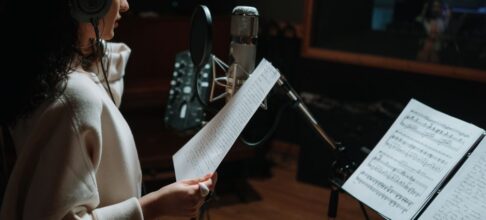
Let’s ground this. Walk into Yodo1’s offices in Beijing on a Tuesday morning—the kind of place where indie game devs and localization specialists share strong coffee and pointed opinions. Last spring, I watched as their project manager queued up character lines for a mid-tier mobile RPG that had performed modestly in Europe but was about to launch in China. The English VO wasn’t just being translated; it was being rebuilt from scratch with local actors, directed by someone whose credits included three different Tencent series.
What struck me wasn’t just the talent—though veteran voice actor Sun Ning worked through 11 distinct characters before lunch—it was the process. Every line was shaped for context: jokes rewritten, combat shouts redone to fit Chinese gaming tropes, even timing tweaked so lipsync would land right on animated avatars designed for an entirely different linguistic rhythm. This isn’t copy-paste dubbing; it’s cultural reinvention.
Netflix and Bilibili: Parallel Universes Collide
If there’s a turning point in this story, it’s probably around 2017–2018 when streaming giants started treating China as both a market and a creative force. Netflix originals—think "Love Death & Robots" or "The Witcher"—were suddenly racing to add Mandarin voice tracks that sounded authentic enough to compete with local hits airing on Bilibili or iQIYI.
But here’s where things diverged from earlier eras of rushed dubs (remember those grainy VHS anime imports in late 90s Germany?). The bar jumped overnight. Viewers online were ruthless about flat performances or mismatched accents—and smart platforms listened. By early 2020s, several European agencies specializing in voice over localization reported nearly half their high-value campaigns now included separate workflows just for Mandarin, often collaborating directly with studios based in Shanghai or Chengdu.
The Numbers Game: Beyond Language, Into Scale
Localization insiders will tell you straight: audio budgets have shifted dramatically since pre-pandemic days. For one midsize US-based e-learning company I spoke with (they asked not to be named), Mandarin voice content accounted for less than 10% of their output back in 2016. In Q4 of last year? Nearly 40%. It’s not just because more learners are logging on from China—it’s that Chinese audiences expect premium localization as standard now.
A common workflow now involves script adaptation teams working alongside technical directors who specialize in matching tonal patterns—critical for tonal languages like Mandarin—to onscreen visuals and UX elements. And those teams aren’t always based in-country anymore; Singapore has quietly become a hub for cross-border Mandarin VO projects serving clients across East Asia.
AI Voices: Promise Meets Pushback
Of course, no discussion about today’s boom can ignore AI-driven synthesis tools like Descript or iFlytek Voice Cloud (the latter boasts partnerships with several major news outlets across mainland China). But here comes another twist—the most successful projects rarely use AI voices alone.
Case in point: A Polish animation studio recently prototyped an interactive children’s app targeting both European and Chinese markets. Their initial tests with AI-generated Mandarin narration flopped; feedback from real parents flagged awkward intonation and missed emotional cues during bedtime story scenes. The solution? Hybrid workflows—AI does rough drafts and timing passes; human actors step in for final takes, especially on emotionally critical lines.
This hybrid model is cropping up everywhere from short-form social campaigns run by Sydney-based ad agencies to big-budget narrative podcasts produced out of Vancouver studios eyeing WeChat distribution deals.
What Sets Top-Tier Chinese Voice Over Apart?
It isn’t just accent accuracy or pronunciation (though those matter). Authenticity means engaging native directors who know regional dialect quirks—yes, even within "Mandarin," there are audible differences between Beijing-standard and the Putonghua spoken by younger talents raised online. Directors at LingoAce—a Singaporean edtech startup specializing in K-12 language learning—now routinely audition dozens of voices per project, sometimes looping actual students into test groups before recording final tracks.
In real-world practice, successful teams obsess over pacing adjustments to match culturally specific humor beats (timing matters more than translation fidelity here) and redo background crowd noises so they feel distinctly “local.” Several Korean drama adaptations distributed via Taiwan-based CatchPlay have quietly set new standards by hiring mainland Chinese post-production mixers instead of relying solely on original South Korean teams—a small detail that fans never stop picking apart online.
From Games to E-Learning: Where Demand Surges Most Rapidly
Gaming remains ground zero—the fastest-growing sector according to estimates shared privately by senior staff at miHoYo (creators of "Genshin Impact"). While the game itself launched globally with localized text options back in late 2020, full-cast Mandarin dub support quickly became non-negotiable even for regional updates introduced months later.
Meanwhile, edtech companies riding pandemic-era surges have adopted similar strategies at scale. VIPKid and Magic Ears (both headquartered out of Beijing) now commission custom VO not only for lesson modules but also marketing reels targeting overseas Chinese families—a trend mirrored by Australia-based education publishers looking to break into Southeast Asian markets via multilingual audiobook releases.
Old Rules Out the Window: What Works Now?
If there’s one certainty left after all these pivots—and there aren’t many—it’s that old assumptions about what counts as “good enough” no longer apply when adapting content for China-bound audiences.
- Scripts are workshopped through multiple cultural lenses before anyone sets foot inside a booth;
- Castings draw on influencer talent pools curated through Douyin/TikTok collaborations;
- Final mixes undergo A/B testing with focus groups spanning three cities minimum—Shanghai feedback doesn’t always predict Shenzhen reactions (and vice versa).
Expectations are rising everywhere—not least among diaspora communities increasingly vocal about what sounds “authentic.”
Looking Forward Without Predictable Endings
Where does it go next? Hard to say definitively—but you’d be foolish not to notice that some forward-thinking French agencies are now setting up dedicated WeChat mini-programs just so clients can review sample VOs instantly alongside animated storyboards. Or that mid-sized LA studios quietly bid double their usual rates last quarter just to lock down top-tier Mandarin narrators before Lunar New Year deadlines hit supply chains hard again.
There are still hurdles ahead—from ever-shifting censorship guidelines within China itself (ask any documentary producer about clearance nightmares) to debates about how much AI should touch the finished product without erasing human nuance altogether. But if you measure success by sheer volume—hours recorded per week—or complexity—the number of specialized roles added since 2019—the direction is obvious: we’re nowhere near saturation yet.