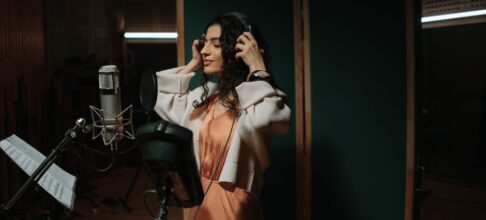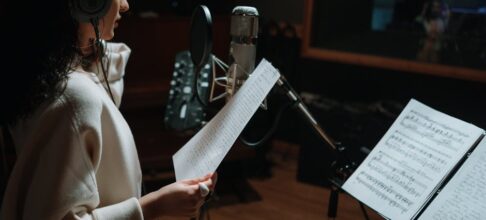
It always starts with a phone call that sounds deceptively simple: “Can you get us a native Czech voice for this?” But anyone who’s ever sat in on a casting session in Prague, or tried to explain lip-sync nuance to a German client, knows it never really is. There’s an odd tension humming beneath the surface of the Czech voice over industry—a friction between tradition and tech, local flavor and international demand, natural voices and synthetic ones. It’s not just about finding someone who can read from a script; it’s about finding someone who sounds like home, but also like Netflix.
Why ‘Neutral Czech’ Isn’t So Neutral
Voice director Tereza Kovářová, who has worked with both local agencies and global clients (including work on campaigns for Škoda Auto), laughs at the idea of a “neutral” Czech accent. “There’s no such thing,” she says. “Agencies based in Brno think Prague is neutral. Studios in Ostrava disagree completely. International clients want something ‘universal,’ but they can’t even hear the difference.”
A recent campaign for an energy drink brand—handled by Studio Virtual in Prague—ran into exactly this wall. The German agency behind the project insisted on ‘Central Czech’ but then requested re-records because test audiences in Plzeň felt the narrator sounded too urban. Studio Virtual ended up running auditions with actors from three regions before settling on two different versions for different markets within the country.
Where Tradition Meets Deadlines
Czech dubbing has always prided itself on quality—the local legend is that Hollywood movies dubbed into Czech sometimes sound better than their original English tracks. That pride is only partly self-mythology: studios such as Barrandov Dubbing have set standards since the 1990s, working on everything from Disney classics to streaming-era series like Stranger Things (Czech Netflix localization started ramping up seriously post-2017). What isn’t discussed openly enough is how these high standards clash with modern deadlines.
In real production cycles, especially since 2020 when streaming content volume ballooned by estimates of 40–50% across European markets, projects are squeezed hard for time. A workflow I observed last year at Soundevice Studio involved four parallel booths recording character lines for an animated series—two hours per episode turnaround was standard. Directors rely increasingly on digital asset management tools (in this case, Audiospot) to track scripts and takes, but when new dialogue drops overnight via Los Angeles or Berlin producers, there’s still no shortcut around having actual people speaking.
AI Voices: Promise or Punchline?
The buzz about AI voice synthesis isn’t just hype—it’s actively reshaping conversations inside agencies from Prague to Zlín. Yet here’s what rarely makes it into glossy tech slideshows: most commercial uses of AI-generated Czech voices remain limited to ultra-short e-learning modules or telephone menu systems.
Take Lingua Nova Group—a localization house headquartered in Warsaw but running pan-Central European projects including dozens annually in Czech. CTO Roman Mazur admits their adoption rate for synthesized voices sits below 10% for full-length media pieces as of early 2024. “Our clients want flexibility,” Mazur explains, “but they still flag robotic intonation as distracting.”
The one exception? Rapid-fire social video ads where budget trumps artistry—here, AI voices cover maybe 20–30% of volume according to one mid-sized agency surveyed anonymously last spring.
Case Study: Gaming Audio Gets Personal
One sector where nuance matters even more than elsewhere is gaming localization—a field where companies like Bohemia Interactive (the team behind Arma and DayZ) operate almost as mini-studios-within-a-studio.
In late 2022, Bohemia Interactive overhauled its pipeline for localizing NPC dialog into Czech and Slovak. Rather than outsourcing everything to freelancers, they built an internal pool of regular voice actors familiar with military jargon unique to their games—and invested heavily in coaching them on emotional delivery tailored specifically for mission briefings versus casual banter.
This approach paid off: fan feedback forums showed positive spikes in immersion scores post-launch (up roughly 15% compared to previous titles localized externally). It was an investment not every studio can afford—but it illustrates how deeply linguistic identity matters in certain genres.
Global Briefs vs Local Ears: An Everyday Compromise
International brands seem fascinated by local authenticity until confronted by its cost—or timeline implications. One real scenario unfolded earlier this year when a US-based streaming platform ordered urgent promo spots dubbed into multiple languages including Czech via TransPerfect's Berlin office. The platform expected same-week delivery; Prague studios pushed back citing lack of available union actors within short notice windows (the top-tier VO talent pool numbers less than 100 regularly working professionals).
What happened? The result was split casting—A-list talent voiced main promos while lesser-knowns picked up secondary roles under heavy direction via remote sessions using Source-Connect Now software.
Pricing Puzzles No Spreadsheet Can Solve
Ask any producer what drives costs up faster than anything else—they’ll say revisions prompted by client-side indecision over dialect or emotion levels beats out fancy microphones every time. Rates fluctuate wildly: basic web narration can fetch €80–€150 per finished minute from small agencies; national TV ads might command ten times that depending on exclusivity clauses negotiated between Prague agencies and multinational advertisers.
One overlooked factor: buyouts structured differently than neighboring markets like Poland or Hungary—where perpetual usage fees are rare compared to annual renewals common among major Czech production houses.
Training Tomorrow’s Voices…But For What Future?
There are now specialized training programs emerging—such as DAMU’s voice acting seminar tracks—that try prepping young talents not just for classic dubbing but also digital-first formats like interactive story apps or AR navigation systems being piloted by developers out of Brno and Olomouc.
But even experienced instructors admit curriculum often lags behind real market needs; several alumni end up moonlighting as podcast hosts or YouTube narrators while waiting months for bigger studio gigs to open up—a pattern echoed across much of Central Europe according to colleagues at Budapest-based SDI Media Hungary.
Conclusion? No Easy Answers—And That Might Be Healthy
If there’s a single consistent insight shared by experts actually embedded inside the industry—from veteran directors at Barrandov Dubbing to nimble managers at smaller shops like Studio Virtual—it’s that nothing stays static long enough for easy formulas anymore. The push-pull between hand-crafted performance and algorithmic efficiency doesn’t resolve neatly; instead, each project becomes its own negotiation between art and economics, regional pride and international reach.
For every flashy AI demo making rounds at conferences in Berlin or London promising seamless synthetic speech, there are still hundreds of small daily decisions happening inside old buildings along Vinohrady or scattered home studios outside Ostrava—decisions that resist automation because they’re rooted in something stubbornly human: the desire to be heard exactly right.