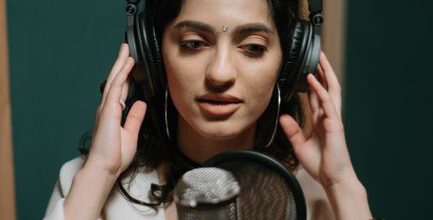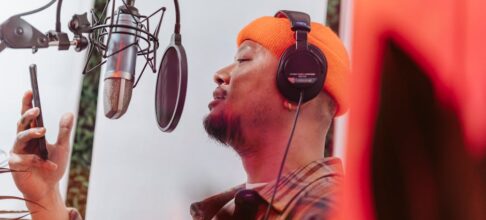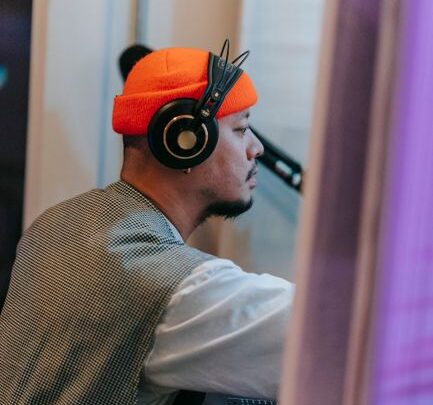
It’s a quiet weekday afternoon in Quezon City. In a glass-panelled booth, an actor is reciting lines for a Japanese anime series. On the other side of the window, two engineers adjust dials while a localization director from Singapore watches over Zoom. The pace is brisk but careful—a single character’s laugh is replayed, re-voiced, and time-aligned six times before it lands just right. This isn’t just about matching mouth movements. In 2026, Filipino voice over work has become a finely tuned blend of craft, technology, and regional strategy—often misunderstood by outsiders who think it's simply reading scripts with a Tagalog accent.
Why the Steps Matter More Now
Most people outside the region don’t realize what changed after 2021. In the pandemic years, streaming giants like Netflix and Disney+ started commissioning more Southeast Asian dubs to win new markets—Tagalog included. By late 2023, their analytics teams saw that engagement rates spiked by up to 14% when popular K-dramas or anime offered Filipino voice tracks rather than subtitles alone. Suddenly every major localization agency from MediaPro (Singapore) to Iyuno-SDI was scrambling for reliable Filipino VO pipelines.
But churning out quality audio tracks is not just a matter of hiring anyone who can speak Tagalog.
Step One: Script Adaptation Isn’t Simple Translation
Here’s where most Western clients get tripped up. A direct English-to-Filipino translation won’t fit lip movements or context—especially for animated series and games. Take Sony Interactive Entertainment’s mobile game releases for Southeast Asia. Their Manila-based partner studio employs cultural consultants who adapt jokes and idioms line-by-line so they land naturally in Metro Manila or Cebu City.
In practice? A script originally reading “Piece of cake!” might be adapted as "Kayang-kaya mo ‘yan!" because literal translations sound flat or foreign to local ears.
Step Two: Casting for Nuance (Not Stereotype)
There’s still an unfortunate tendency among foreign producers to request "neutral Filipino accents." But walk into any session at Hit Productions (Makati), and you’ll see how casting directors now prioritize authentic regional voices—Ilocano warmth for elders, Manila patois for teens—even if it means auditioning dozens more actors per role. In fact, projects for Netflix’s "Trese" adaptation in early 2024 reportedly auditioned over fifty actors just to find one perfect supporting voice.
Remote casting has also shifted workflows: platforms like Voice123 now allow LA-based producers to listen live as Manila talents read sides—increasing international bookings by an estimated 30% compared to pre-pandemic numbers.
Step Three: Recording Is No Longer Just Studio Work
Before the lockdown era, nearly all Filipino dubbing happened inside purpose-built studios clustered around Ortigas or Makati CBDs. That changed fast during rolling quarantines in 2020–21; remote home setups became normalized almost overnight. By 2025, even established houses like Soundesign Philippines routinely dispatch portable recording kits—condenser mics, portable booths—to veteran artists’ homes across Luzon and Visayas islands.
For fast-turnaround campaigns (think TikTok ad spots), producers sometimes skip brick-and-mortar entirely: actors record synced dialogue on Source Elements Cloud directly from their condos—no traffic jams required.
Mixing Old Craft With New AI Tools
A surprising twist unfolded between late 2024 and early 2026: automation didn’t replace human voices—it made them faster and weirder. During post-production on GMA Network’s sci-fi drama dub last year, editors used iZotope RX plugins to automatically remove clicks and mouth noises from hours of raw takes before engineers did manual clean-up—a process that used to take twice as long back in 2018.
Meanwhile at Adobo Studios (a mid-sized shop serving both local TVCs and indie games), staffers use Descript's overdub features to patch mispronounced words without calling actors back into the booth—a hybrid workflow that shaved an average of four hours off each spot delivery in Q4 last year.
Yet everyone agrees: when it comes time for emotional scenes or comedy beats, nothing replaces having experienced voice talent behind the mic—and no AI yet nails the distinct lilt of Batangas Tagalog or Bicolano sidekicks.
Case Example: Localizing Anime for Global Platforms
Let’s look at Hiligaynon Dubbing House—a smaller Iloilo-based operation that landed its first global deal with Crunchyroll in early 2025. Facing tight deadlines on a shōnen series rollout across SEA markets, they divided labor among three teams:
- Script adapters worked alongside Tokyo licensors every morning via Google Meet,
- Voice actors recorded remotely using cloud-synced DAWs,
- Editors handled QA by running each episode through both AI-assisted timing checks and old-school panel reviews (where three team members debate whether the protagonist sounds too urban).
- For mobile games localized by companies like Garena PH (notably "Free Fire"), sessions happen rapid-fire with heavy use of reference video; line counts run high but emotional range is narrow (“Reloading!” repeated fifty ways).
- Anime dubbing managed by larger studios like SDI Media Philippines focuses obsessively on sync; one season often means hundreds of pickup sessions as licensors send revised animation weeks after initial records wrap up.
- Commercial VO remains fastest-paced; brands like Jollibee demand same-day turnarounds during product launches—here freelancers often cut corners using cloud plug-ins and submit rough edits directly from home rigs in Mandaluyong apartments.
- Pre–2015: Dubbing mostly limited to telenovelas imported from Latin America; small pool of veteran talents dominate industry outposts around ABS-CBN compound,
- Early pandemic years (2020–22): Home-recording explodes; sudden need for scalable quality control leads several shops—including Big Sound Studios—to hire full-time remote QA coordinators,
- As of March 2026: Market split between legacy studios investing in spatial audio upgrades (for VR/AR content) versus agile micro-agencies using AI-powered workflows plus distributed talent rosters—many now working from Davao or Bacolod instead of Metro Manila proper.
They met their thirty-day delivery goal with only minor retakes—an achievement manager Louie Santillan attributes partly to cross-timezone collaboration tools but mostly “to our stubbornly hands-on approach.”
Regional Variations Are Not Optional Anymore
A strange thing happened as platforms added more languages: audiences started caring about which version they got. For instance, Disney+ Philippines learned the hard way when feedback poured in after launching a Visayan-accented dub of an American cartoon meant for Metro Manila kids—the mismatch led them to commission separate neutral Tagalog tracks starting mid-2025.
In Australia-based ad agencies with large OFW audiences (over half a million Filipinos call Australia home), creative directors now specify whether they want Luzon-neutral versus Cebuano inflections depending on campaign geography—something rarely seen before mass streaming adoption circa late 2010s.
Dubbing Games vs Animation vs Advertising Spots
Each segment brings quirks:
No two jobs are identical—but all rely on some core mix of adaptation skill, tech-savvy editing, flexible casting pools… plus patience during endless rounds of feedback from both US-based clients and local reviewers alike.
Timeline Snapshots: Then Versus Now
default case study chronology:
The result? At least one Philippine trade group estimated a doubling in total active VO practitioners since pre-pandemic days—with streaming commissions representing roughly one-third of new jobs by volume last year alone.