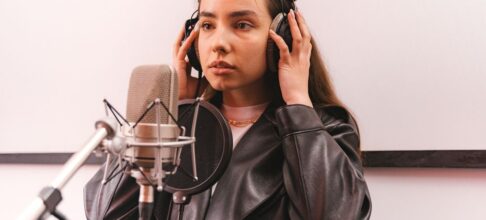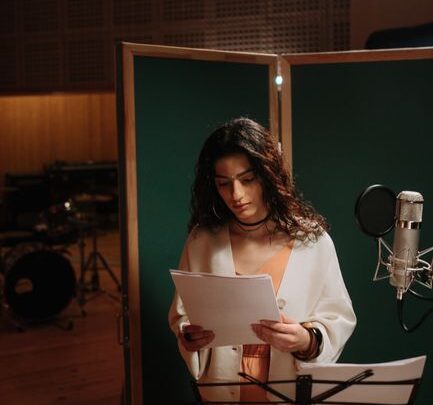
If you ask a Western localization manager about Albanian voice over, you'll likely get a furrowed brow or an evasive shrug. It’s not that the language is obscure—Albania and Kosovo together count nearly 7 million speakers—but in terms of media localization, it sits awkwardly between "niche" and "emerging necessity." This contradiction is at the heart of every project involving Albanian dubbing, especially for streaming platforms and gaming studios expanding into the Balkans.
Unpredictable Demand Meets Patchwork Supply
Let’s start with the obvious: No one opens a Netflix-style platform expecting to see their content dubbed in Albanian by default. Yet, in , several European OTT services began discreet pilots of regional language support, including Albanian, after observing that subtitled-only content saw lower engagement rates (by as much as %) in Balkan households.
But here’s where things get messy: The pool of professional Albanian voice actors with experience in modern studio settings is tiny compared to demand spikes. Studios like Studio Nëntori in Tirana report periods where requests for video game character voices triple within a quarter—typically when a global publisher announces plans to localize its back catalog.
The Talent Pipeline Dilemma
Albania’s film industry has roots stretching back to the late communist era (the Kinostudio Shqipëria e Re was founded in ), but most classic dubbing talent was trained for film and children’s programming—not interactive or AI-assisted workflows. In practice, this means contemporary projects often rely on a few dozen adaptable voices who shuttle between TV ads, e-learning modules, and character-driven video games.
In mid-, an Italian-based localization agency handling an educational app rollout described their workaround: flying two seasoned Albanian actors from Pristina to Milan for three days of intensive recording. Their feedback? “We spent more time wrangling travel logistics than actually tracking takes.”
Workflow Realities Inside Balkan Studios
A typical workflow at Tirana-based VoiceBox Studio looks something like this:
- Localization script arrives from a German or UK partner on Friday evening.
- Producers scramble through WhatsApp groups trying to secure availability among known Albanian voice talent—a roster usually under names.
- Sessions are run using Pro Tools and locally rented Neumann microphones (if available; otherwise Rode NT1s are the fallback).
- Post-production is managed via cloud tools like Frame.io because clients expect international standards—even if half the final mix is reviewed over spotty home WiFi connections.
This isn’t just anecdotal; it highlights how resource constraints directly shape turnarounds and pricing structures. Expect rates hovering around –% below Western European averages—until someone needs five characters voiced by different actors next week.
AI Voices: Promise or Mirage?
In late , several Balkan agencies started experimenting with ElevenLabs’ AI voice synthesis for placeholder tracks and secondary narration layers. While these tools speed up initial drafts (“temp tracks” often ready within hours), they rarely survive final QA for dramatic content—the tonal flexibility just isn’t there yet for complex storytelling.
A Greek production house observed during a recent cross-Balkan campaign that English-to-Albanian synthetic voiceovers were rejected outright by Kosovan broadcasters due to authenticity concerns. Yet these same tools remain invaluable when clients want quick prototypes before committing budget to full casting rounds.
Game Localization: Micro-Markets With Macro Headaches
Gaming companies dipping toes into the region often underestimate challenges unique to Albanian voice work. One Polish indie studio shared its experience porting an RPG title into six minor European languages—including Albanian—in . The biggest bottleneck? Script adaptation required splitting dialogue trees into dialectal variants (Tosk vs Gheg), since players from southern Albania found northern-accented lines jarring—and vice versa.
This micro-localization trend echoes what AAA publishers face with Catalan or Swiss German tracks: fewer than ten native-speaking actors can plausibly carry all primary roles without accent fatigue setting in across multi-hour playthroughs. Some studios cycle performers between major/minor NPCs or even use subtle pitch-shifting algorithms—though purists notice quickly.
Who Actually Funds This Work?
It’s easy to assume only major streamers or game publishers bother with full-scale Albanian dubs. But real budgets often come from EU cultural grants aimed at promoting linguistic diversity (see Creative Europe funding guidelines). Smaller local ad agencies also drive demand seasonally around election campaigns or public health initiatives—a pattern seen repeatedly since the COVID era forced rapid-fire PSA rollouts across multiple Balkan languages.
Looking Forward—But Not Too Far Ahead
As of early , most experts I’ve spoken with agree: Automated pipelines still struggle with idiomatic phrasing and emotional nuance in Albanian beyond basic narration tasks. Yet hybrid models—human direction layered over synthetic takes—are gaining traction for non-fiction formats such as corporate explainers and mobile onboarding flows.
To sum up? Anyone diving into Albanian voice over should expect ingenuity outpacing infrastructure at every stage—from casting calls pinged via Facebook Messenger to last-minute script tweaks handled by trilingual producers juggling time zones from Zurich to Skopje.