The Unseen Revolution Inside Streaming Platforms
Back in , when Netflix first rolled out its interface for the South Caucasus, Armenian wasn’t even an option on most international OTT platforms. Fast forward to mid-: Netflix quietly piloted dubbed Armenian tracks for several children’s titles after consistent subscriber growth from Armenia and its diaspora—estimated at roughly % year-over-year since according to local ISPs. It wasn’t fanfare; it was necessity. Parents wanted their kids to hear Peppa Pig with the same timbre as grandpa’s bedtime stories.
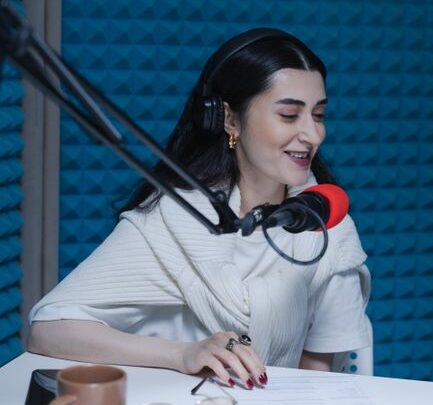
This wasn’t just content adaptation—it was validation. A small Yerevan-based dubbing studio called Orions Media handled much of this early work, sometimes cranking out three full episodes per week using rotating teams of actors and remote directors patched in from Paris or Los Angeles. Their workflow included everything from casting native speakers who could modulate between Soviet-style cartoon melodrama and more modern naturalism, to late-night ADR sessions squeezed in between commercial projects.
Local Ads With a Global Twist: The Unexpected Social Impact
Ask anyone working at Digitain (the gaming tech giant headquartered in Armenia) how they localize their user onboarding videos for neighboring markets like Georgia or Russia. Nine times out of ten, they’ll mention their in-house voice team—an anomaly among tech startups globally.
The reason? Clarity breeds trust. By deploying authentic regional accents and colloquialisms via voice over in explainer videos and product demos, Digitain reported a measurable uptick in sign-up rates—nearly % higher in pilot segments—compared to bland English versions with subtitles alone.
But there’s another dimension here. In small towns outside Gyumri or Vanadzor where public events often feature loudspeaker announcements or radio jingles voiced by familiar personalities (think popular actor Karen Dzhandzhgava lending his voice to COVID safety PSAs), people listen differently. It isn’t background noise—it feels participatory.
Between Borders: Diaspora Narratives and Belonging
For many Armenians living abroad—in Glendale or Marseille—the familiar intonation of home is both lifeline and anchor. Since , community-driven YouTube channels have begun producing amateur but widely-shared dubbed news updates and children’s stories using volunteer narrators patched together through Telegram groups spanning four time zones.
This decentralized model doesn’t follow any corporate playbook: scripts bounce from London writers’ rooms to Tbilisi sound editors before landing on Boston-based uploaders’ desktops. One such collaborative channel reported over , monthly unique viewers within six months of launching—a testament not just to demand but the grassroots infrastructure stitching diaspora communities together through language.
Not Just Nostalgia: AI Enters the Booth
In European localization circles—Munich-based InterVoice Studio comes to mind—AI-generated voices are now routinely used for preliminary dubs before human actors refine final takes. Armenian has lagged behind larger languages due mainly to limited high-quality training data (even Google’s WaveNet offers only rudimentary coverage).
Still, smaller startups are experimenting aggressively; one Tbilisi post house recently demoed machine-assisted dubbing for an indie horror film screening at Golden Apricot Film Festival last year. The output? Not perfect—but fast enough that producers could preview regional variations overnight instead of waiting weeks for bookings with scarce professional narrators.
Generational Shifts—and New Risks?
There’s no denying: the youngest generation expects localized content on tap. When TikTok trends migrate into Armenia—as they did during the viral "Armenian Dad" meme wave last summer—voice over specialists scramble to create relatable parodies or explainers at breakneck speed.
Yet some old-school practitioners worry about dilution: will quick-turnaround AI voices eventually edge out nuanced performances by seasoned artists? Veteran director Lilit Martirosyan put it bluntly at a recent media panel in Yerevan: “If every ad sounds like Siri with an accent, we lose something deeper than words—we lose character.”
A Surprising Bridge Between Sectors
What few outsiders realize is how much cross-pollination happens behind closed doors between entertainment studios and civic organizations. For example, UNICEF Armenia partnered with two local audio production houses during lockdowns to produce emergency distance-learning lessons voiced by children themselves—a move that reportedly doubled listenership compared to adult-narrated content according to internal surveys shared at the Digitech Expo .
That experiment snowballed into ongoing collaborations where NGOs now routinely consult entertainment professionals not just for technical know-how but narrative coaching—turning what began as simple translation exercises into miniature productions capable of moving listeners emotionally as well as informatively.
---
Not all revolutions arrive shouting from rooftops; some slip quietly through headphones or car radios—the everyday music of belonging heard anew each time a familiar voice carries distant meaning home.