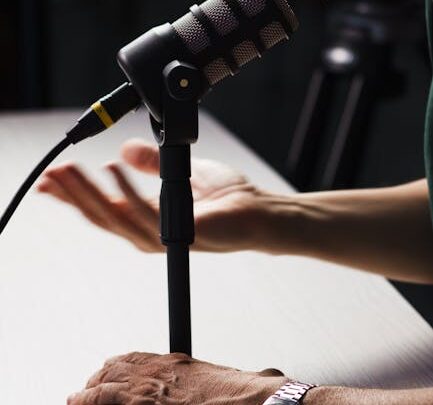
A few years ago, you could walk into any Sydney production house and ask for an "Aussie read"—and what you got was usually a friendly bloke or a chirpy woman, all sunshine and sand. But the brief has changed, and so has the industry. Today, marketers working with Australian Voice Over talent are confronted with a transformation that’s as much about data as dialect, and the ripple effects are forcing both agencies and clients to recalibrate what they think works for real audiences.
The Brief No Longer Means Accent Alone
Once, being "authentically Aussie" meant leaning hard into the twang. Now? In , several campaign managers at Ogilvy Australia reported client requests shifting toward “neutral global English” with just a hint of local flavor. One producer put it bluntly: “We’re not looking for Crocodile Dundee anymore; we want someone who sounds like they could be from anywhere east of Perth or west of Auckland.”
This isn’t just anecdotal. Spotify’s in-house creative team (Spotify Advertising AU) has found that campaigns targeting younger urban listeners in Melbourne or Brisbane show up to a % higher engagement rate when voice overs ditch stereotypical ocker cues for subtler regional touches—think softer vowels but not full-on Americanization.
AI Arrives—but Not Without Baggage
While international brands might experiment with AI voices (Amazon Polly offers three distinct Australian accents since ), most top-tier agencies in Australia remain cautious. A recurring pattern in Sydney post houses is using AI-generated scratch tracks for rapid prototyping—especially on social snackables where budgets are tight and speed trumps nuance.
But when it comes time for national TV or brand-heavy campaigns? Human talent still rules. Clemenger BBDO Melbourne routinely tests AI voice options against human reads during pre-production workshops; their findings last year were telling: only one in ten marketers preferred the synthetic voices once played back alongside real actors—even though turnaround was twice as fast with AI.
Case Study: A Different Take at SCA Studios
Southern Cross Austereo Studios (SCA) has built its reputation delivering radio spots that cut through across Australia’s patchwork of regions. In late , SCA ran side-by-side focus groups comparing traditional male/female duos reading classic beer ads versus newer scripts voiced by diverse talent—including first-generation Australians and Indigenous presenters.
The result? For mid-market brands aiming at Gen Z and millennial consumers in Adelaide and Hobart, recall rates jumped by % when ads featured less-familiar tones rather than the same polished metro voices used since the early 2000s. As SCA’s creative director wryly noted: “Turns out, sometimes ‘sounding Australian’ means breaking your own template.”
Real-World Workflow Interruptions—and Opportunities
Ask anyone managing localization at an agency like Hogarth Worldwide’s Sydney office about workflow headaches, and you’ll hear about versioning chaos: one spot now needs six different voice over variants tailored to micro-markets—regional Victoria vs inner-Sydney vs Darwin suburbs—all within a single production window.
It’s not uncommon now to see project boards mapped out by accent intensity and demographic fit rather than just age/gender splits. The sheer scale of this can mean more sessions, more pickups, more cost—but also better resonance locally. As an executive producer told me after a recent campaign for an insurance giant: “It costs us maybe % more per asset compared to five years ago—but client retention is up because their messaging actually lands everywhere from Alice Springs pubs to Bondi gyms.”
Historic Milestones—and What They Mean Now
Rewind to : Netflix landed Down Under. Suddenly content localization was no longer niche—it was expected. Studios scrambled to deliver everything from drama dubs to quirky animated shorts with distinctly local flair. In response, boutique voice casting houses sprung up almost overnight along Oxford Street, offering everything from multilingual reads (Mandarin-Australian English hybrids) to hyper-local regional slang coaching.
Fast-forward nearly a decade, and those same shops are now investing heavily in remote recording setups—partly due to COVID-era disruption but also reflecting global collaboration trends seen everywhere from London’s Soho studios to game audio teams in Montreal.
The Uncomfortable Truth About Measurement
Marketers love numbers until they complicate things. With tools like Adthena analyzing campaign performance by region and demographic since , there’s newfound pressure on creative teams: it’s not enough that your ad sounds “Australian,” it must test well across wildly disparate markets—from mining towns in WA to tech hubs around Surry Hills.
In practice? This means rounds of user testing that would have seemed absurdly overcooked ten years ago—a single supermarket campaign recently tracked recall among seven audience segments before final sign-off.
The Irony of Authenticity Chasing Scale
There’s something almost paradoxical happening now: as technology makes producing dozens of market-specific variations easier than ever (thanks Rev.com API integrations or Descript workflows), marketers wrestle with ensuring every single line still feels personal—not algorithmic.
At least one big player seems unfazed by this churn: Lion Nathan Brewery reportedly doubled down on live studio direction for their latest summer push after automated demos flopped with testers outside New South Wales—a reminder that sometimes old-school craft still beats cold efficiency.
What Should Marketers Really Ask?
If there’s a lesson here for marketers eyeing the next big rebrand or campaign launch Down Under, maybe it’s this: don’t start with "Which accent do we need?" Start with "Who is really listening—and where?"
Because whether you’re commissioning fresh tracks through Voices.com or briefing your favorite freelance VO artist via Source Elements Connect from Byron Bay, the gap between what feels authentic—and what actually resonates—is getting smaller but also infinitely more complex.