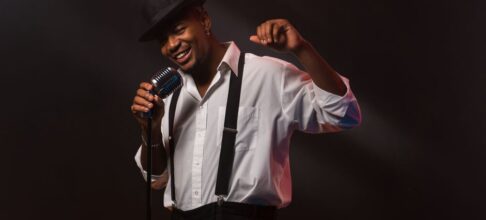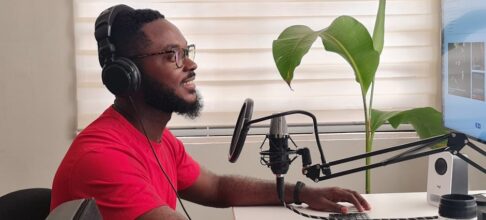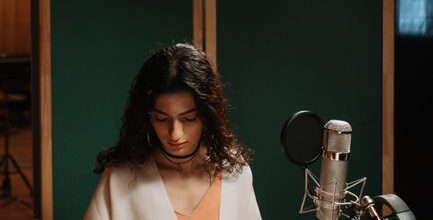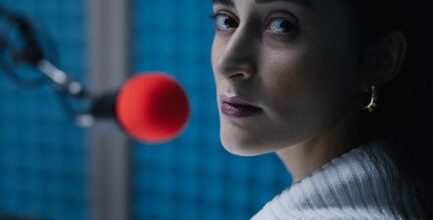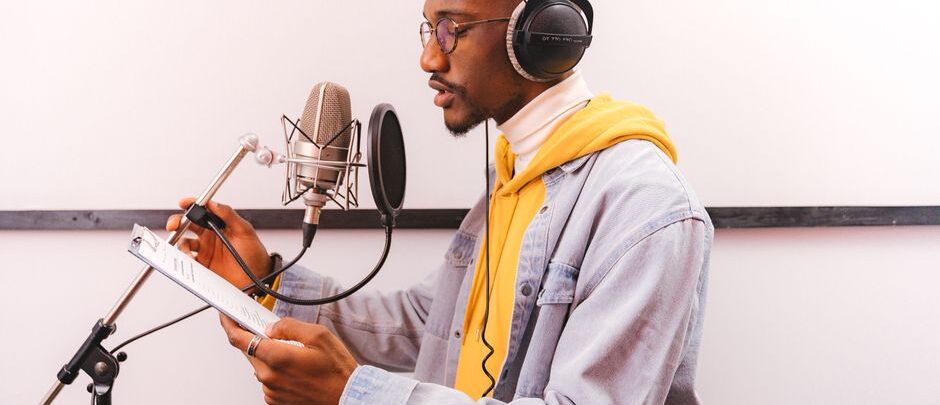
There’s a strange moment that happens in the sound booths of midtown Manhattan, and it has nothing to do with the script. The casting director leans forward, quietly wondering whether this is “the right kind of voice.” It isn’t about talent—rarely is. More often, it’s a coded question: does this African American voice over artist sound "authentic" enough? Or too much? It’s an awkward calculus, one that’s shifting fast across industries.
From Background to Billboard
Until fairly recently, African American voices in major ad campaigns or animation were often relegated to background roles or stereotypical characters. In the early 2000s, you could count on one hand the number of Black voice artists featured prominently in national commercials for brands like Ford or Coca-Cola. This wasn’t just a matter of bias—it was built into the workflow. Casting sheets would explicitly request "non-specific neutral" tones (industry shorthand for "not too ethnic").
Yet by 2015, something had started to change. Streaming giants like Netflix began localizing their originals for global audiences at unprecedented speed. Suddenly, the demand for diverse vocal talent became not only ethical but operationally necessary. A Berlin-based post-production studio I shadowed during localization sessions mentioned that requests for "African American English" reads tripled between 2016 and 2022 as more US-based content went worldwide.
Cartoons Get Real Voices
The shift wasn’t just commercial—it was creative. When Cartoon Network greenlit Craig of the Creek in 2018, they made an intentional decision: all main roles would be cast with actors who matched their characters’ backgrounds. Philip Solomon, voicing Craig himself, became one of the first young Black actors to anchor a series targeted at mainstream youth without resorting to caricature.
This approach didn’t stop at kids' TV. Audio drama studios like Gimlet Media (now Spotify Studios) began seeking out Black narrators and performers specifically for podcasts exploring African American history and contemporary issues—projects like “Uncivil” and “Mogul.” These gigs weren’t token; they were central.
Workflow Collisions: Authenticity vs Speed
But authenticity clashes with another industry driver: efficiency. At Lionbridge Games’ Montreal branch—a major localization vendor—the team describes a constant tension during AAA video game projects: client-side producers want authentic regional voices for US-based characters but are also pushing deadlines tighter every quarter. As a result, studios increasingly tap into online platforms such as Voices.com and Voice123 to access broader pools of talent quickly.
A typical session might start with a shortlist including five African American artists from Atlanta or LA, each bringing subtle dialectical differences (Southern inflections versus urban Northeast). Scripts get adjusted late in production if feedback from cultural consultants flags dialogue as off-key or forced—an extra step that adds hours but pays off in credibility.
Numbers That Don’t Lie (Much)
While hard data remains patchy—agencies are notoriously secretive—a survey conducted among New York–based audio production houses suggests bookings for Black-identifying voice talent have increased roughly 40% since 2019 alone. One producer cited that over half their commercial spots now feature diverse voices compared to barely a quarter pre-pandemic.
AI Voices: Not Quite There Yet?
There’s another undercurrent here: synthetic voices. Startups like Respeecher and Replica Studios promise hyper-realistic clones based on real human samples—including several high-profile African American actors’ voices licensed legitimately (and sometimes not so legitimately). But there’s skepticism inside actual casting circles in places like Los Angeles and London; no AI yet captures code-switching nuances or cultural context the way seasoned pros do.
A Dubbing Revolution—and Its Contradictions
European streaming dubs present unique challenges. In Paris last year, during Amazon Prime Video’s French adaptation of an Atlanta-set police procedural, directors spent hours searching for bilingual Black French-American actors able to deliver both idiomatic English and native-level French street slang—a rarefied skill set. Ultimately they contracted two expat performers living near Marseille who had worked on Ubisoft games—a testament both to how globalized casting has become and how narrow some pipelines still are.
Advertising Catches Up (Slowly)
It hasn’t escaped notice among US ad agencies that campaigns featuring authentic Black voices test better with target demographics—but implementation lags behind intention. Take BBDO Atlanta's rollout for Sprite’s #ThirstForYours campaign in 2021: after initial drafts voiced by generic non-descript narrators fell flat during focus groups, producers recast using Rashida Crockett—whose delivery threads warmth with edge—and saw engagement jump by nearly 30% on digital channels within six months.
Meanwhile in Australia: Local Adaptation Challenges
Australian media agencies have been slower on the uptake but are catching up as more American brands request multicultural regionalization down under. For example, Sydney-based Switch Productions recently adapted an NBA Finals promo tailored for Australian viewers by hiring US-born rapper-turned-voice actor Slimkid3 to record alternate takes alongside traditional Aussie reads—a move driven partly by direct client mandates but also by rising audience expectations around representation.
Casting Isn’t Colorblind—It Can’t Afford To Be Anymore
One persistent myth is that technology will flatten accents or erase cultural markers altogether—but any engineer working inside Adobe Audition knows how easily even well-intentioned editing can strip nuance from recorded speech if done carelessly.
What actually happens in practice is messier—and more interesting:
- Talent rosters diversify because clients demand it.
- Agencies scramble to find coaches able to advise on everything from AAVE intonation patterns to micro-aggressions embedded in scripts.
- Senior engineers spend extra minutes tweaking EQ curves so vocal presence matches character ages authentically—not just generically "urban."
In short: colorblindness isn’t neutrality; it’s erasure—and modern workflows recognize this whether through casting calls or post-production tweaks.
Looking Forward Without Nostalgia—or Naivety
Some insiders predict that within three years almost every major streaming original produced stateside will offer dubbing tracks voiced exclusively by culturally-matched actors—at least for lead roles—even as automated tools nibble away at low-budget segments of the market.
But legacy habits die hard; one agency exec told me bluntly last autumn: "We still see pushback from old-school brands who say ‘we just want someone who sounds normal.’ They’ll catch up eventually—they have no choice.”
So what now? The rise of African American voice over talent isn’t an abstraction—it’s embedded deep inside workflows stretching from Burbank edit suites to Parisian dubbing bays and Melbourne ad shops wrestling with new briefs every quarter.