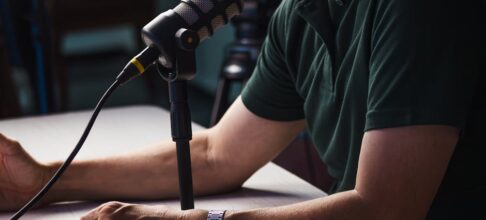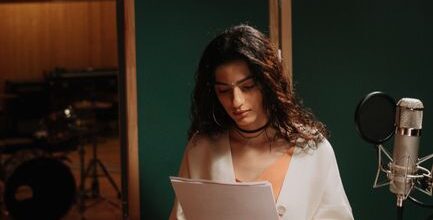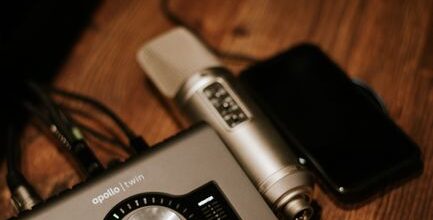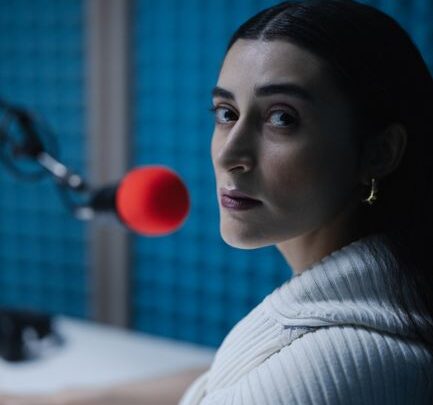
You could always tell when the old Tirana studios were prepping a voice over. There was a certain static in the air—the nervous energy of actors flipping through translated scripts, the hum of battered reel-to-reel recorders, and coffee-fueled directors murmuring notes. Twenty years ago, Albanian voice over meant smoke-filled control rooms and analog tape; today, you’re more likely to find a Pro Tools rig running in an apartment block than a big studio on Rruga e Durrësit.
There’s something quietly radical happening in how Albanian content finds its voice—literally. But it isn’t just about swapping out tape for terabytes. It’s cultural, technical, even a bit political at times.
The Long Echoes of Broadcast Albania
Back in the late 1990s and early 2000s, TVSH (Televizioni Shqiptar), the national broadcaster, controlled most dubbed and narrated media. Foreign cartoons like "Tom and Jerry" or Turkish soap operas came with that unmistakable monotone overdub: one male narrator reading every part, often with little emotional distinction. It worked—sort of—but nobody confused it for authentic localization.
Private studios started sprouting up around as cable networks like DigitAlb expanded their offerings. Suddenly there was demand for proper character voices—and not just one guy reading everything flatly into a SM58 mic. Early outfits like Studio 2A had to invent their workflows from scratch: scavenged soundproofing, basic Cubase rigs, scripts scribbled by hand.
From Patchwork to Pipeline: Workflows Evolve
By the mid-2010s, real competition arrived. Global distributors—Netflix rolled out its Balkan push in —expected something closer to parity with Spanish or French dubs. In response, Albanian post houses started adopting tighter casting processes and digital asset management systems similar to those seen in Munich or Barcelona studios.
The workflow at Tirana-based Red Wave Studios is illustrative: For a typical animated series order (say, episodes destined for both Kosovo and Albania’s markets), casting now happens remotely via WhatsApp auditions; scripts are versioned using Google Docs shared among translators in Pristina and Shkodër; final mixes run through iZotope RX cleanup before delivery as uncompressed WAVs directly into Netflix’s fulfillment portal.
Compare this to an earlier era where two engineers would physically splice tape together while actors waited outside for retakes—a process that took days instead of hours.
Crossing Borders (and Platforms)
One thing often overlooked: The cross-border nature of Albanian-language content production has forced workflows to adapt quickly. A children’s audiobook project commissioned by Audible Europe in late involved talent recordings sourced from both North Macedonia (Tetovo) and Albania itself due to dialectal nuances. Producers managed files across three cloud platforms while wrangling time zones—a logistical headache but also proof that regional collaboration is now standard practice rather than exception.
And on platforms like YouTube Kids Balkans channel (which hit over 250k subscribers by early ), micro-studios such as Gjuha Jonë Media have become adept at churning out weekly batches of dubbed nursery rhymes using nothing more than home booths padded with IKEA duvets and open-source DAWs like Audacity.
AI Dubbing: Promise Meets Skepticism
No conversation about transformation ignores AI—but here reality diverges from hype cycles seen elsewhere. Several small agencies in Elbasan tested Respeecher’s synthetic voice models last year for low-budget explainer videos aimed at diaspora audiences in Italy and Switzerland. While turnaround time dropped sharply—from roughly two weeks per project down to four days—the results didn’t fully convince clients used to human inflection or subtle regionalisms found only among native speakers raised between Korçë and Vlorë.
In fact, Genti Hoxha at AudioFrame Studios told me last autumn that despite experimenting with ElevenLabs’ platform for game trailers localized into Albanian, they still relied on seasoned performers for major titles published by German publisher Daedalic Entertainment because “synthetic voices can’t improvise local idioms.”
So while maybe % of quick-turnaround web ads now use some form of AI-generated narration (based on informal surveys shared among producers in Tirana), premium media campaigns hold tight to flesh-and-blood talent—for now.
Case Study: Bringing Games Alive in Prishtina
Let’s look at gaming—a sector where voice over stakes have grown fast since around as Balkan indie developers chase Steam success stories. Take ArtMotion Labs’ experience localizing their puzzle adventure "Echoes of Illyria" into Albanian for launch on PC platforms last year:
- Dialogues were originally written in English then reimagined by a team split between Prishtina writers familiar with local slang and a pair of professional narrators based out of Skopje;
- Sessions ran remotely using Source-Connect links due to pandemic-era travel issues;
- Final audio underwent lip-sync alignment via Reaper scripts before integration back into Unity—yielding results judged “on par” with Czech or Polish dubs by reviewers on BalkanGamer.eu;
- Sales data showed a significant boost (~%) from Albanian-speaking territories compared to previous English-only releases.
That pipeline would have sounded impossible even five years ago when budgets rarely stretched beyond amateur-level narration recorded over Skype calls prone to dropout.
Economics Under Pressure—But Also Expanding Opportunity?
As always, money shapes what gets made—and how well it sounds. Rates paid for seasoned narrators crept up modestly after Netflix entered the scene but remain lower than Western European averages; several Tirana freelancers report €–€ per finished audio hour versus €+ common in Madrid or Berlin studios.
Yet access has never been wider: Aspiring voice artists record demos using Rode NT1-A mics bought secondhand off Facebook Marketplace; new agencies like Zëri Studio have tapped diaspora talent living everywhere from London suburbs to Melbourne—a pattern mirroring trends seen among Romanian or Serbian localization shops during similar digital surges post-.
Even advertising agencies serving Kosovo-based brands (like IPKO Telecom) increasingly request dual-market spots adapted not only linguistically but tonally—reflecting shifting social attitudes toward gender roles or humor unique to each region.
Resistance—and Renewal—in Local Talent Development
There’s still resistance too: Old-school directors complain about "fast food" dubbing quality driven by streaming deadlines; unionization efforts remain fragmented compared to Croatia or Hungary where collective bargaining has helped formalize standards since early EU accession periods (mid-late 2000s).
But many younger practitioners see this moment less as decline than rebirth—a chance for local voices long marginalized within global media flows finally getting recognized beyond niche festival circuits or shortwave radio specials aired from Basel once upon a time.
Looking Backward—and Forward—in Parallel
Standing inside AudioFrame Studios last December as they wrapped another batch of preschool songs slated for both RTSH Kids TV and Spotify playlists targeting Toronto Albanians reminded me how much ground has been covered since those first clumsy overdubs broadcast from an analog booth above Skanderbeg Square twenty-five years ago...
And yet so much remains contingent: on budgets decided hundreds of kilometers away; on whether next-gen AI tools will truly learn the textures embedded within Gheg vs Tosk intonation; on whether tomorrow's best-known Albanian voices will rise from basement booths outfitted with USB interfaces—or remote-controlled avatars sculpted entirely out of code.