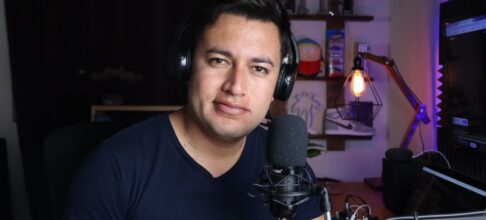
The Shape-Shifting Reality Behind Greek Voice Over
Greek voice over has never been static. In fact, its most transformative moments came out of necessity. When Disney+ launched in Greece mid-, few anticipated how quickly dubbing houses would scramble to adapt workflows—adopting cloud-based review tools and remote casting platforms almost overnight.
One Athens-based studio, Studio Advox (a real player since the VHS era), shifted from almost entirely in-person sessions to a hybrid model during COVID-. By late , nearly % of their talent pool was recording from home booths patched into Source-Connect or SessionLink Pro. Quality checks became asynchronous; directors reviewed takes via timestamped comments on Frame.io instead of crowded control rooms.
The upside? Faster delivery cycles—projects that once took weeks now wrapped in days. Downside? "We lost some of that creative friction,” says Giorgos M., a senior engineer there. “Sometimes the magic happens between takes when everyone’s together.”
Who Owns the Accent Now?
If you’ve watched Netflix Greece recently—check any episode dubbed after —you’ll notice something odd: regional dialects are creeping in. Where once only textbook Athenian was acceptable (the standard-bearer for decades), studios now experiment with subtle Peloponnesian or Cretan inflections.
This isn’t nostalgia—it’s data-driven adaptation. International streaming giants have access to granular viewership analytics; they know when audiences tune out or skip dubs altogether. According to localization firm VSI Athens, demand for “authentically local” flavor rose sharply after early feedback on generic voice tracks led to lower engagement among Gen Z viewers.
In response, smaller studios across Thessaloniki and Patra are pitching projects featuring local actors with less neutral accents—sometimes clashing with older directors who insist on homogeneity for global campaigns.
AI Voices: Threat or Secret Weapon?
Ask anyone working inside Europe’s localization sector what keeps them up at night and you’ll get a mix of shrugs and nervous laughter about synthetic voices.
But here’s what actually happened: In late , a prominent Greek mobile gaming company (let's call them MythosPlay) quietly beta-tested ElevenLabs’ multilingual TTS engine for non-player character lines—especially background banter that previously gobbled up studio time but rarely registered with players.
Result? Roughly % reduction in recording hours per project cycle—and budget savings redirected towards marquee character performances still recorded live by established actors. "We don't use AI everywhere," explains their lead producer Maria T., “but it lets us focus human effort where nuance matters.”
For major ad campaigns targeting both Cyprus and mainland Greece—a tricky audience split—the trend is more cautious adoption rather than full replacement: agencies like DDB Athens commission custom-trained voices as placeholders during pre-production edits but swap in live performances before release.
The Pressure Cooker Effect: Tight Timelines Everywhere
If you walk into any mid-sized agency handling pan-European media accounts (think Ogilvy Greece or Solid Havas), you’ll see real workflow tension:
* Multi-region spots must be turned around within days,
* Social content needs micro-localization (sometimes even distinct slang for Thessaloniki vs Heraklion!),
* Clients expect sample reels within hours—not days—as platforms like TikTok force constant campaign pivots.
One measurable consequence: average session lengths dropped from two-hour blocks pre- to mostly sub-hour sprints today. Remote review means less downtime—but also less margin for creative experimentation.
Game Localization Gets Granular—and Competitive
An interesting wrinkle comes from indie games developed across Europe but looking for traction in Greece (and vice versa). Polish developer CD Projekt Red set new standards when they rolled out full Greek dubs and subtitles for AAA titles post-Witcher 3 era—not just menu text but immersive dialogue trees voiced by native speakers sourced from both Athens and diaspora communities in Melbourne.
Now even modest indie teams expect localized voice acting as table stakes if they want Steam chart visibility in Southern Europe. This has fueled steady growth among boutique studios specializing solely in interactive media rather than traditional TV/radio spots—a pattern echoed elsewhere but especially acute as Greek gamers increasingly vocalize dissatisfaction with "half-baked" translations or robotic narration.
Workflow Interruptions Nobody Talks About… Yet Everyone Knows Too Well
Halfway through a high-pressure campaign last December, one Piraeus-based boutique found itself locked out of key studio spaces due to rent disputes—a reality check on how fragile physical infrastructure can be post-pandemic. They pivoted overnight to remote workflows using Audiomovers and Google Workspace; files zipped back-and-forth across Crete and Nicosia as actors juggled childcare duties at home.
The final product shipped on schedule—barely—but not without near-misses: mismatched audio levels between home setups prompted frantic fixes via iZotope RX right up until delivery day. “It worked,” says project manager Dimitra K., “but I don’t think we’d survive another crisis like that without better contingency planning.”
Brands Are Demanding More Than Just Words
In recent pitches seen at marketing conferences around Thessaloniki, brands now routinely ask for social-first deliverables alongside classic radio/TV reads:
* Voice snippets formatted specifically for Instagram Reels,
* Dynamic versions designed to sync automatically with influencer video content,
* Multilingual variants targeting tourists flocking back post-pandemic (especially UK-Greek combos tailored for islands).
A growing number of clients evaluate proposals not just by demo reels but also by how efficiently studios can deliver editable stems compatible with Adobe Premiere Pro or DaVinci Resolve—a workflow pattern borrowed straight from US podcasting networks like Wondery but rapidly becoming standard practice throughout southern Europe.
Can Small Studios Survive the Platform Arms Race?
Mega-platforms may dictate trends globally (Amazon Prime Video alone expanded its Greek catalogue by nearly % between late –), but much of what makes Greek voice work distinctive comes from nimble independents willing to experiment—or forced to adapt out of sheer necessity.
One example: BlueSound Studio near Syntagma switched its entire booking system to Calendly integrated with WhatsApp updates—a micro-shift that slashed no-show rates among freelancers while helping foreign clients track session progress remotely without language barriers causing confusion during scheduling changes.
These small tweaks accumulate into competitive advantages—but only if studios can keep pace technologically while maintaining authentic creative direction under relentless deadline pressure.