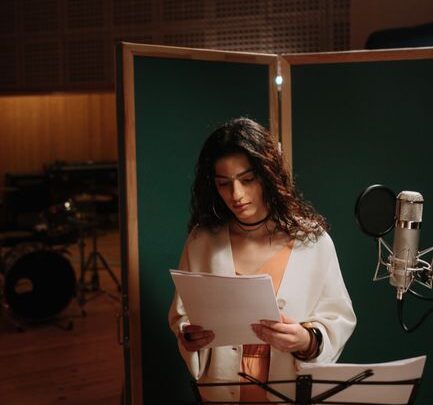
If you’ve ever watched a Hollywood blockbuster dubbed into Arabic and wondered why the hero suddenly sounds like your uncle from Cairo or a news anchor from Dubai, you’re not alone. The world of Arabic voice over is a study in contradiction—global ambitions meet local flavor, artistry wrestles with standardization, and history haunts every recording booth. And unlike the streamlined workflows seen in Japanese anime dubbing or German cinema localization, the Arabic market runs on a more fragmented, often improvisational system.
The 1990s: Satellite TV and the Birth of Pan-Arab Dubbing
The real turning point came with the satellite TV boom in the mid-1990s. Before that, dubbed content for children—think old Hanna-Barbera cartoons—was largely handled by a handful of Lebanese studios using Modern Standard Arabic (MSA). MSA was chosen not for its popularity but as a sort of lingua franca nobody truly speaks at home. It was meant to be neutral. In practice? It sounded like everyone was reading from an academic script.
Spacetoon, launched in Dubai in , became notorious for this style. Their workflow involved sending tapes to Beirut-based studios where a team might record voices for up to ten shows in one week—sometimes with only two main actors swapping hats between protagonists and villains. You’ll still find nostalgic posts on Reddit about how Captain Majid’s voice is instantly recognizable across three different series.
Netflix, OSN, and the Accidental Rise of Egyptian Dialect
Fast forward to : Netflix enters the Middle East. Suddenly there’s money—and demand—for high-quality dubbing beyond just children’s content. But here comes the dilemma: which dialect do you use for adult dramas?
In practice, Egyptian Arabic has often been favored for comedies or soap operas due to its widespread familiarity (over million people understand it thanks to decades of film exports). However, when OSN commissioned their own dubs for Western shows in Riyadh around –, they insisted on Gulf dialects to appeal to Saudi viewers—a move that confused some pan-Arab audiences used to hearing either MSA or Egyptian accents.
One production manager at Alkarma Studios in Cairo described how her team would receive scripts marked "neutral," then spend hours debating whether a certain joke worked better in Damascene or Cairene slang. Deadlines were routinely missed because "funny" simply didn’t translate without cultural context.
Game Localizations: When Levantine Meets Loot Boxes
While media streaming platforms have driven much of the recent growth, gaming studios face their own set of challenges—and opportunities—in Arabic voice work. Ubisoft’s Assassin’s Creed Origins (), set in Ancient Egypt but voiced by actors trained in Beirut and Amman, famously mixed regional inflections despite officially being MSA.
Localization managers at Polish studio CD Projekt Red reportedly struggled with similar issues when adapting Gwent: The Witcher Card Game into Arabic around . They experimented with Jordanian actors reading lines intended for Emirati players but found that even minor pronunciation quirks could break immersion among hardcore fans.
A senior audio engineer based in Warsaw recalled having to re-record nearly % of dialogue after online testers flagged lines as “strange” or “unintentionally comic.”
Workflow Chaos: Recording Across Borders
Unlike English or Spanish markets—where entire seasons are sometimes recorded by one cast under one roof—the Arab world rarely enjoys such cohesion. In typical projects coordinated out of Casablanca or Beirut:
- Scripts arrive already translated (but rarely localized)
- Actors are recruited ad hoc via WhatsApp groups spanning three countries
- Directors may join live via Zoom from London due to pandemic-era remote workflows
- Final review involves sending files back-and-forth until someone signs off (often months late)
- A lead role for an animated feature recorded in Dubai can fetch $1, per session,
- Yet narrating an educational MOOC module out of Amman might yield less than $—even if voiced by the same actor,
An executive at twofour54 Abu Dhabi described recently juggling five different dialect coaches across four time zones for an animated series slated for both Saudi Rotana channels and North African streaming services.
AI Tools vs Human Nuance: The New Frontier
The last three years have seen rapid adoption of AI-assisted tools like Respeecher and Veritone Voice—not so much as replacements but as pre-production aids for timing scripts or pitch-matching voices before actual recording begins.
But here’s where things get tricky: most AI models default to Modern Standard Arabic unless specifically trained on regional data sets—which are scarce. A French-Algerian tech startup spent six months building a Moroccan Darija model only to discover clients wanted code-switching capabilities between formal news-speak and street slang within single scenes—a challenge no off-the-shelf software currently solves well.
In practice? Studios often revert back to human actors when nuance matters—as with luxury brand ads targeting affluent Qataris versus broad-reach campaigns aimed at young Egyptians on YouTube Shorts.
Historical Footnote: The Echoes of Radio Cairo
It would be remiss not to mention Radio Cairo’s golden era during the 1950s–60s—when pan-Arab dramas captivated listeners from Benghazi to Baghdad. That legacy remains palpable today; some voice artists still reference classic radio serials as inspiration during casting sessions.
In fact, Soad Hosny—the legendary "Cinderella" of Egyptian cinema—recorded several radio plays that circulate as unofficial training material among aspiring voice talents across Tunis studios today.
Pricing Paradoxes and Market Realities
Here lies another contradiction: while budgets have ballooned (Netflix reportedly pays up to four times what Spacetoon offered twenty years ago), talent rates remain inconsistent by region and project type.
in part due to differing perceptions about prestige versus utility work.
Studio owners complain privately about sudden client demands (“Can you make it sound more Kuwaiti?”) after weeks spent perfecting an allegedly pan-Arab accent mix.
One Scenario From Sydney: Agency Crossroads
Australia isn’t typically associated with Arabic media production—but Melbourne-based multicultural agency Cultural Pulse regularly sources talent remotely across Morocco and Lebanon for campaign rollouts targeting diaspora communities nationwide. In one recent case—a health awareness spot produced during Ramadan—the agency had versions running simultaneously on SBS Radio (in MSA) and TikTok ads dubbed into Sudanese colloquialism after feedback showed higher engagement rates among younger listeners who found formal registers stilted or alienating.