When “Good Enough” Isn’t: The Relentless Precision of VO in China
A localization manager at a mid-sized game publisher in Hangzhou tells me their biggest surprise wasn’t finding talent—it was keeping up with the relentless revision cycles. At least three rounds for every character line, each pass scrutinized for tonal accuracy (Mandarin’s four tones are famously unforgiving) and cultural resonance. Local clients demand that emotional beats land correctly; foreign clients want brand consistency above all else. Neither wants even a syllable of awkwardness.
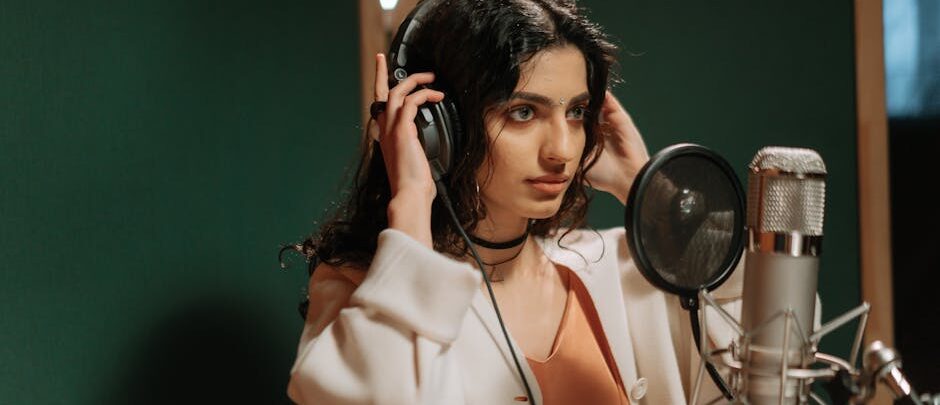
This explains why studios like SDI Media China (now part of Iyuno) routinely block out % more time for Mandarin dubbing compared to European language dubs. Experienced producers account for this by front-loading script adaptation: in practice, this means several hours with both translators and voice directors before an actor enters the soundproofed room.
A Workflow Built on Contradiction: Human Talent Meets Tech Automation
It’s tempting to imagine that AI tools have made things seamless. In reality? Hybrid workflows now dominate fast-turnaround projects, but human oversight remains non-negotiable for premium content.
Take Bilibili’s re-dubbing campaign for imported anime series: initial passes used speech synthesis for draft timing, allowing editors to spot sync issues early on. But final sessions still brought veteran actors into downtown studios—like those at Shanghai Dubbing Base—for emotive delivery and micro-adjustments only humans can manage. This hybrid approach shaved nearly % off project timelines versus fully traditional methods but required an extra QA stage to ensure no robotic artifacts slipped through.
One Phrase, Six Meanings: Why Script Adaptation Is Never Just Translation
In real campaign work observed at Hong Kong-based media agencies (such as Vox Studio), translating scripts often exposes deep gaps between literal meaning and audience expectations. The word “family” in an American ad may morph into entirely different concepts depending on whether it targets mainland urbanites or viewers in Guangdong province.
Veteran script adapters sometimes consult focus groups or run small-scale A/B audio tests—yes, they play clips over WeChat groups—to measure authentic reactions before greenlighting final takes. In one campaign for a German automotive brand localizing their global TV spots, almost half of the original lines were replaced outright after such testing revealed that direct translations sounded stilted or cold.