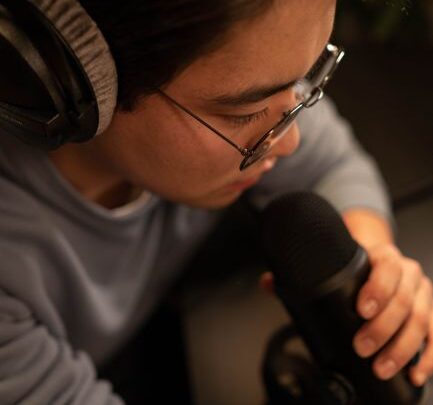
You’re more likely to hear Icelandic on a Netflix fantasy series than you are in a London Soho dubbing suite. For most of the past decade, that was the unofficial wisdom among European localization producers. There’s an entire mythology—no pun intended—about this language: fewer than 400,000 native speakers; famously complex grammar; a cultural resistance to linguistic borrowing. And yet, somehow, Icelandic voice over is having a moment.
Not a gold rush. More like a glacial shift. The kind you only notice when you return after a few years and suddenly spot Icelandic dubs on platforms where there used to be nothing but English subtitles.
When Streaming Platforms Discover Micro-Languages
The spark came in 2017 when Netflix quietly added full Icelandic dubbing for its kid-centric shows like “Trollhunters” and “Dragons: Race to the Edge.” Internal sources at Reykjavík-based production house Sagafilm recall a sudden scramble: "Netflix basically told us they wanted everything dubbed within three months—animated, live-action, all of it," says one project coordinator who worked those first waves.
Before that point, even major animation distributors like Disney simply subtitled their content for Icelandic audiences. Dubbing was reserved for theatrical releases or public broadcast television—and always with tiny budgets compared to Germany or France. A typical children’s series would get two or three voice actors juggling every character.
But as soon as global streaming standards demanded parity (“every language gets dubs”), studios like Sagafilm had to rethink workflows from scratch. Suddenly, there were triple the cast lists and real-time remote review sessions running through Source Connect and Zoom—even though every participant lived within forty kilometers of each other in Greater Reykjavik.
Chasing Authenticity in a Country of 380,000
Here’s what isn’t obvious until you sit in on one of these sessions: There aren’t enough trained voice actors for the sheer volume required by today’s streaming schedules. By 2022, Sagafilm estimated that nearly half their regular talent pool consisted of stage actors moonlighting between productions at Þjóðleikhúsið (the National Theatre). Some directors doubled as narrators.
For high-profile projects like DreamWorks’ “Spirit Riding Free,” clients insisted on accent-perfect delivery—a challenge given how regional dialects persist across the country despite its size. One director described spending hours coaching performers out of what she called “East Fjords sing-song.”
It’s not just about performance either. Linguistic purism runs deep here; translators face pushback if scripts contain modern slang or loanwords from English—even when local youth culture has fully adopted them in daily speech.
A recurring tension emerges: Should dubbed lines use neologisms approved by Iceland’s Árni Magnússon Institute? Or stick with literal translations that may sound archaic? These debates can drag mixing sessions late into Reykjavik nights—and sometimes result in two versions being made (one for broadcast TV; another for VOD).
Case Study: Gaming Goes North — CCP Games and Eve Online Events
In gaming, things skew even more idiosyncratic. Consider CCP Games—the Reykjavik-based developer behind “Eve Online.” For their 20th anniversary event in 2023, they decided to release special mission briefings voiced entirely in Icelandic alongside English originals—a first for any globally-distributed multiplayer title from the region.
That meant sourcing both homegrown talent and diaspora voices (two narrators recorded remotely from Copenhagen). Production leads described navigating time zones and technical quirks unique to gaming audio: “We needed a workflow where voice files could patch directly into Unity builds without weeks of back-and-forth,” recalls one engineer.
By launch day, over 65% of Iceland-based players opted into the new dub option—a far higher adoption rate than similar experiments with Polish or Finnish localizations reported by CCP’s analytics team previously.
Small Market Economics — Still Not Scalable (Yet)
Despite these micro-successes, most European localization agencies still treat Icelandic as boutique work: specialized rates; long lead times; minimal automation. Even AI-powered tools popularized by outfits like Respeecher or ElevenLabs rarely deliver satisfactory results for such morphologically rich languages—though one UK studio claims experimental projects have shown promise since late 2023.
A common workaround is hybrid workflows—recording core dialogue with native speakers while using synthetic voices for background chatter or minor roles. This split approach appeared on several animated shorts produced by Glassriver Studios last year targeting both local TV (RÚV) and YouTube Kids channels abroad.
Ironically, some smaller campaigns—from audiobook adaptations commissioned by Forlagið publishers to branded explainers for Arion Banki—prefer keeping everything strictly live-recorded, citing cultural nuance as non-negotiable even under tight deadlines.
Dubbing vs Subbing — And Why It Matters Here More Than Elsewhere
If you walk into Bíó Paradís (Reykjavik’s indie cinema) during festival season circa 2018 versus now, you’ll notice something subtle: trailers now regularly offer dubbed previews rather than just subtitles—especially when marketed towards younger audiences or tourist-heavy screenings during summer months.
This reflects broader audience research conducted by Gallup Ísland showing that under-15 viewers overwhelmingly prefer dubs for animated content (close to 80%), whereas adults remain fiercely loyal to subtitles—even when presented with high-quality dubbed options on Netflix or Viaplay Nordics’ apps.
Such data informs strategic decisions at companies like Samfilm (Iceland's largest distribution network), which now commissions dual-language promo reels depending on age bracket and platform—a process unheard of prior to the streaming era boom post-2016.
The Problem With Borrowed Voices — Diaspora Talent and Authenticity Loops
As demand scales up but local supply remains fixed, studios increasingly reach out to Icelanders living abroad—in Denmark, Sweden, Canada—for remote recordings via digital booths set up post-pandemic. But according to casting managers at Myndform Studio in Reykjavik:
"There are subtle issues—younger diaspora speakers sometimes pronounce words slightly differently after years away."
This leads to multiple retakes just to nail down vowel sounds unique to western fjord dialects—an issue familiar only if you've heard enough campaign reviews over coffee outside Kringlan Mall's food court.
The industry favorite fix? Have an older actor record reference tracks so everyone stays phonetically anchored throughout multi-week projects—a surprisingly low-tech solution amid all the cloud-based collaboration stacks now standard since COVID-19 lockdowns forced remote workflows everywhere else too.
Not Everything Can Be Automated — Yet AI Keeps Knocking at the Door
You’d expect recent breakthroughs in generative voice technology would have flooded this market already—after all, Google Translate supports basic spoken Icelandic since mid-2010s; text-to-speech APIs abound—but complexity keeps humans firmly at center stage here…for now.
Even so:
in late 2023 Rumex Media experimented with AI-enhanced ADR matching tools adapted from German dubbing houses’ pipelines. Results were mixed—the system handled short-form narration acceptably well but stumbled badly with rapid-fire dialogue sequences full of tongue-twisters unique to classic sagas read aloud during holiday broadcasts (a December tradition).
What does sneak through is AI-assisted script adaptation—not replacing translators but flagging inconsistencies across episode scripts before recording starts—a time saver when every error means bringing five actors back into studio at premium rates per hour (€150–€220 typically reported locally).
Meanwhile rumor mills swirl around plans from Swedish tech vendor VoiceQ Nordic aiming to beta-test full-stack automated syncing tools tailored specifically for agglutinative languages like Icelandic by early next year—but few insiders expect mainstream adoption before at least mid-decade given current accuracy gaps noted repeatedly by line producers interviewed recently in Akureyri studios north of Reykjavik proper.
Cultural Gatekeeping Is Its Own Industry
and it shows up everywhere—from official language committees vetting every line against contemporary usage guides…to parents lobbying hard against foreign-accented cartoon voices slipping onto RÚV airwaves during peak viewing windows post-school pickup hours around Hafnarhús district schools.
One translation supervisor put it bluntly:
and I quote,
'there are only so many ways you can make dragons sound authentically menacing without breaking rules handed down since Halldór Laxness was alive.'
and yes—that line got vetoed twice before making final cut on an imported DreamWorks title last fall…
in typical production cycles here? Fewer shortcuts exist than almost anywhere else in Europe due largely not just to market size but also fierce pride among creatives determined not just preserve but actively shape modern spoken forms through every single project delivered locally or exported worldwide via global streamers hungry for ever more linguistic diversity badges next their logos come awards season each spring...
Looking Ahead: Niche Growth Amid Major Headwinds
the truth is,
every step forward comes layered atop centuries-old debates about what makes a language truly alive…or merely performed for outsiders’ benefit,
it slows things down,
but perhaps that's exactly why so many families here found themselves switching off default English tracks on Disney+ earlier this year—in favor of hearing homegrown voices tell ancient stories anew,
one carefully moderated syllable at a time.