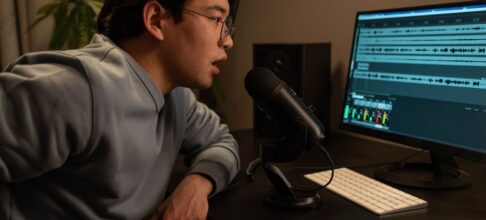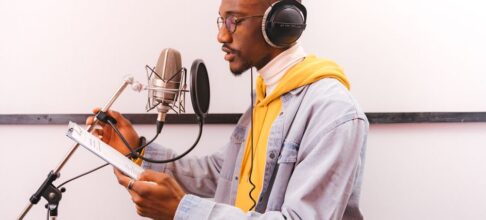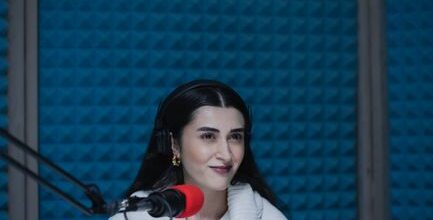
Nobody expected Farsi dubbing to take center stage. Ask any localization manager in a Parisian post house or a content acquisition lead at an LA-based streaming startup—until recently, Persian language voice over was an afterthought, relegated to the margins of global media flows. But now, production pipelines from Stockholm to Sydney are scrambling to patch together reliable Farsi VO resources. What's behind this disruption?
The Unseen Audience That Refused To Stay Quiet
It’s not just Netflix’s 2016 expansion into the Middle East that kicked off this shift (though it was a catalyst). The real tension built up through years of overlooked audiences: by late 2010s, Iranian diaspora communities had exploded in Canada and Germany, while domestic digital consumption inside Iran underwent its own quiet revolution. By 2023, Toronto alone had over 120,000 Persian speakers—a number that shows up starkly in streaming analytics.
But here’s where it gets granular: international platforms like Shahid (based in Dubai but with distribution reach across Europe) suddenly found their Arabic catalogues underperforming with Persian-speaking users—even when content was subtitled. Audible engagement rates for dubbed versus subtitled drama series routinely ran 2-3x higher for Farsi-dubbed tracks than subtitles among Iranian viewers abroad.
A Workflow Bottleneck No One Saw Coming
In a typical European media localization studio—picture mid-sized teams like those at SDI Media Poland or BTI Studios Berlin—the sudden surge of requests for Farsi voice assets caused delays. A project manager at one such Warsaw studio describes the scramble: "We had standardized pipelines for Spanish, Russian, even Turkish—but when we got hit with three concurrent orders for Farsi VO last quarter, our vetted talent pool just evaporated overnight." Overnight is hardly an exaggeration; projects that usually took four weeks ballooned to seven or eight simply due to casting and linguistic QA.
A Game Studio’s Dilemma: Can AI Replace Human Nuance?
Interactive content has its own twist on the story. When the Swedish indie game developer Raw Fury sought to localize their narrative-driven title "Norco" in early 2022 for release on platforms frequented by Iranian gamers (think Steam's growing regional presence), they experimented briefly with Descript’s AI voice tools for Farsi dialogue. The results? "Technically functional," admits their localization lead, "but it tanked immersion and drew complaints on Reddit threads run by Persian-speaking players." The studio reverted to human actors within two sprints. User retention rose nearly 15% in target regions after the switch—a lesson repeated across multiple gaming launches targeting the MENA market.
Corporate Training Gets Local—and Realistic
If you walk into any multinational operating out of Dubai Internet City today—say, a logistics SaaS vendor onboarding staff from both Afghanistan and Iran—you’ll almost certainly find internal comms teams embedding Farsi narration alongside English and Arabic video assets. In practice, these are often produced via hybrid workflows: initial scripts drafted in-house using Google Translate as scaffolding (never trusted outright), then polished by freelance linguists contracted through platforms like Voices.com or local Iranian agencies such as Avazeh Studio in Tehran.
Here’s what makes these projects distinct from entertainment dubbing: tight legal compliance checks (Iranian labor law is a minefield), plus heavy accent coaching so that Dari and Tehrani dialect variants don’t inadvertently signal bias—something that burned one German e-learning publisher back in 2021 when their “universal” Farsi module triggered negative feedback loops among Afghan viewers.
Streaming Wars Turn Hyperlocal: Shahid vs Filimo vs Global Giants
By late 2022, Filimo—the Tehran-based SVOD giant—boasted nearly nine million subscribers domestically. Their playbook? Launching exclusive Turkish and Korean dramas dubbed meticulously into colloquial Tehrani-accented Farsi via partnerships with boutique studios like Pars Video Dubbing House (established circa early ‘90s). Meanwhile, international streamers went generic—sometimes using non-native speakers based out of London or Istanbul—and lost ground rapidly in key urban markets like Mashhad and Shiraz.
Case in Point: When Apple TV+ rolled out its flagship sci-fi miniseries with only English audio and generic subtitles during spring 2023’s Nowruz surge, Filimo counterprogrammed with homegrown productions featuring star voice actors known locally from radio dramas. Subscriber bump? Unofficial estimates put it at around 7% month-on-month growth through April alone.
An Outsourced Solution… With Strings Attached
Realistically, few Western agencies have managed to build stable long-term relationships with reputable Farsi VO suppliers. In many observed cases—including campaigns run by Berlin creative shops or Australian educational consortia—the fallback is increasingly hybridized: raw reads captured remotely via Source Connect from freelancers working inside Iran or Armenia are edited and QC’d abroad before final mixdown. This workflow introduces latency (sometimes up to five days per roundtrip revision cycle), but it beats waiting months for vetted local studio availability during peak campaign periods.
Not Everything Scales—or Should It?
There’s a temptation among major global brands—think Disney+ or YouTube Originals—to leverage synthetic voices at scale for all minority languages including Persian. Yet several campaign managers interviewed at UK-based agency Locaria note persistent pushback from Iranian clients who expect nuanced delivery impossible outside live booth sessions; intonation varies wildly between northern Gilanis and southern Khuzestanis.
This expectation gap led directly to one now-infamous incident during a major auto manufacturer’s regional launch event broadcast online from Dubai: the pre-recorded safety explainer used machine-generated narration flagged as "unnatural" by thousands of Iranian commenters on Instagram within hours—a PR headache nobody wanted right before Ramadan sales season.
Why Subtitling Alone Isn’t Enough Anymore
Historically—say pre-2015—the fallback for most US studios distributing into Iran was subtitling only; cost-effective but rarely immersive enough for genres like animation or children’s programming where literacy lags can exclude younger viewers entirely. In conversations with managers at kids’ streamer Hopster (now part of Sandbox & Co.), there is open acknowledgment that adding full-cast Persian dubs resulted in measurable upticks in parental engagement metrics throughout Persian-speaking households in Los Angeles County—where over half a million Iranians reside according to recent census data.
Even short-form viral videos aren’t immune: TikTok influencers targeting Tehran teens have begun commissioning quick-turnaround microdubs via Telegram groups populated by semi-pro voice actors operating under pseudonyms—a workaround born out of necessity given platform restrictions but one now embedded into daily social video cycles across much of urban Iran.
Where Next? Demand Outpaces Infrastructure
As of mid-2024, every indicator suggests demand will continue running ahead of supply unless something changes structurally:
- Freelancer directories are oversubscribed;
- Studio capacity inside Iran struggles under power cuts and bandwidth throttling;
- Diaspora talent pools scatter between legal jurisdictions complicating contracts;
- And cultural expectations around accent authenticity keep raising the bar beyond what off-the-shelf AI can deliver anytime soon.
In short, what began as a fringe requirement is now central—not only because audiences demand it but because every missed opportunity means leaving real revenue untapped across cities as varied as Hamburg, Sydney, Vancouver and Isfahan.