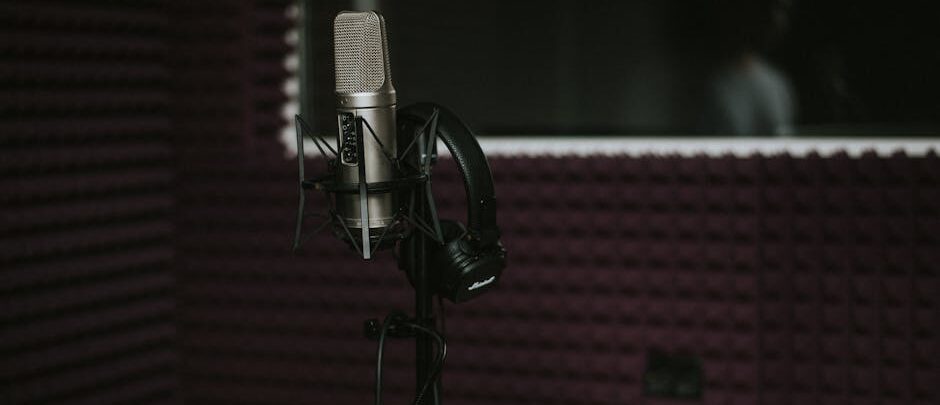
The first time I heard an Albanian voice over for a Netflix trailer, it jarred me. The consonants, sharp and unfamiliar to most international ears, overlaid epic visuals that until recently only came dubbed in English, German, or Spanish. Yet there it was—a distinctive Balkan cadence on a global platform. It was more than a technical upgrade; it felt like a cultural arrival.
Unexpected Demand at the Edges
Not long ago, if you asked localization teams across Europe about Albanian language needs, they’d raise an eyebrow: "For what market?" But between and , streaming platforms started noticing something odd—engagement rates in Albania (and among diaspora communities from Zurich to New York) spiked when content included native-language options. At Lokalise Berlin—a mid-sized localization house—they now report that nearly 8% of their subtitling and voice casting projects in Q1 included requests for minoritarian languages, with Albanian showing the fastest proportional growth.
It’s not just entertainment either. In Tirana’s startup sector, fintech firms such as RubiconPay have begun releasing onboarding tutorials and micro-ad explainer videos with homegrown narrators. Their rationale is pragmatic: conversion rates on instructional video clicks doubled after switching to native Albanian voice overs last year.
Historic Absence—and Sudden Visibility
This wasn’t always so obvious. For much of the 2000s and early 2010s, most foreign films shown in Albania simply ran with original audio plus subtitles; voice over was seen as unnecessary or even provincial. It took the streaming era—post-—to destabilize this norm. As Netflix expanded its regional library and YouTube creators began reaching niche audiences worldwide, demand for localized narration turned from optional to essential.
One pivotal moment came in late when Ubisoft released an update for "Assassin’s Creed Valhalla" featuring DLC content dubbed into six new languages—including Albanian for select story segments. While not every line made the cut (budgetary constraints kept it partial), fan forums lit up with praise for how even brief mother-tongue lines added authenticity to gameplay.
Studios and Workflows: Behind the Mic in Pristina
In real-world workflows at studios like ArtMotion (Kosovo’s largest production company), scheduling has become increasingly complex since taking on pan-European dubbing contracts in early . Project managers describe juggling translation scripts from Paris-based clients while wrangling local talent who are equally comfortable voicing corporate e-learning modules or animated shorts destined for children’s networks in North Macedonia.
A typical week might involve:
- Coordinating three different dialect coaches for authenticity (Gheg vs Tosk accent)
- Syncing delivery timelines with remote editors using cloud-based DAWs like Pro Tools Carbon
- Managing fast turnarounds (sometimes under hours) for urgent NGO campaigns on healthcare or education—an area where UNICEF Kosovo reports doubling its budget allocation toward audio-first public awareness materials post-pandemic
- Talent pool constraints mean lead narrators often work across three or four concurrent projects at once—burnout is real.
- Standardization struggles continue around terminologies; tech platforms sometimes botch translations of gaming jargon or fintech lingo due to lack of established glossaries.
- Some multinational advertisers still default to English due to inertia or perceived prestige—even though A/B testing frequently shows higher engagement on native-language tracks among younger urban viewers across Tirana and Pristina.
AI Meets Accent: A Complicated Marriage
The rise of AI-assisted dubbing tools hasn’t skipped Albania either. London-based Papercup—which specializes in neural voice synthesis—ran pilot tests last summer generating synthetic Albanian narration for educational publishers serving diaspora students in Vienna and Boston. Results were mixed: while turnaround time dropped by over half compared to traditional studio sessions, feedback flagged that subtle inflections weren’t always right—the difference between a video feeling local versus merely translated.
In one observed case, an audiobook publisher reverted back to human actors after beta listeners complained that synthesized voices sounded “too generic” for childhood folktales rooted deeply in regional identity.
Diaspora Dynamics: Zurich as a Microcosm
Consider Zurich—a city home to over , people of Albanian heritage—as an unlikely hotspot for this trend. Local broadcaster TeleZüri launched a weekly news segment narrated entirely by second-generation Albanians using colloquial phrasing familiar only within Swiss-Albanian circles. Ratings jumped by nearly % among viewers aged – during its first quarter run—a rare feat for local ethnic programming often sidelined by mainstream networks.
Barriers Still Hold—but Not Everywhere
Despite these advances, challenges remain stubbornly present:
Yet if you spend enough time inside post suites at companies like ArtMotion—or sift through analytics dashboards at agencies piloting regionalized ad campaigns—you’ll see the cost-benefit calculus shifting rapidly toward prioritizing authentic voice work over generic dubs or plain subtitles.
Looking Ahead Without Nostalgia or Hype
No one expects Albanian narration to eclipse French or Italian anytime soon—not even optimists inside the industry hubs springing up around Skanderbeg Square. But something material has changed since those subtitle-only days of early digital TV: producers now budget explicitly for vocal performance as part of their core production pipeline instead of treating it as afterthought localization.
If anything defines this new chapter it’s neither hype nor nostalgia—it’s practical adaptation from players big and small responding to real numbers (viewer retention rates above baseline), audience feedback (“finally feels like ours”), and competitive pressure from neighboring markets already fluent in multiplatform narration workflows.
You might still be surprised next time you hear that unmistakable intonation—an ancient language layered onto futuristic media—but inside editing bays from Zurich to Tirana it’s already become business as usual.