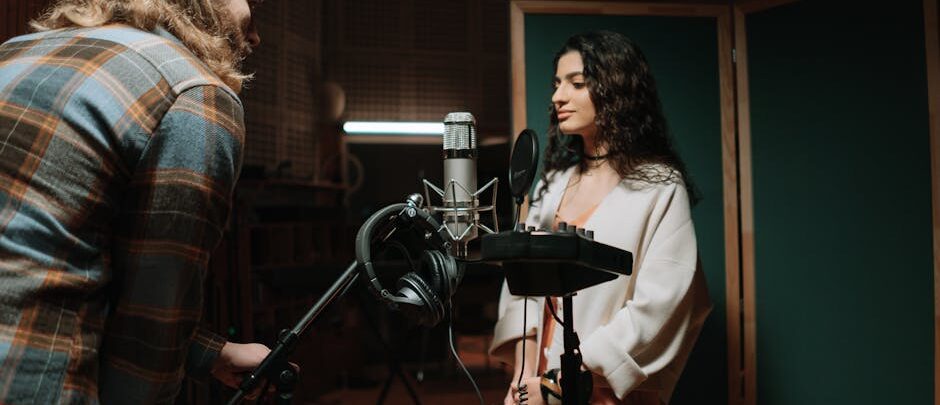
Nobody predicted back in that Croatian voice over would become a litmus test for European localization complexity by . Yet here we are, with Zagreb-based studios fielding requests from global streamers and game publishers who—until recently—dismissed smaller Slavic markets as an afterthought. What’s changed? And why does Croatia now sit at the crossroads of authenticity, efficiency, and AI-fueled disruption?
#### A Quiet Influx: Netflix and Regional Power Plays
Start with the numbers. Since , regional demand for Croatian-language versions on platforms like Netflix and Disney+ has more than doubled (insiders estimate a jump of about % for serial dramas alone). At AdriaSound, one of Zagreb’s mid-sized dubbing studios, project managers report that projects for kids’ animation ballooned from two per quarter to nearly ten per month by late .
But it isn’t just the volume. International clients—Amazon Prime among them—have started requesting not only neutral-standard Croatian but also subtle dialectal tweaks tailored to Dalmatian or Slavonian audiences. It complicates casting. It lengthens timelines. But it also signals new respect for local nuance.
#### Real-World Workflow: Studio Versus Synthetic Voices
Here’s where things get messy—and interesting. Take the workflow at Voicely, a boutique production house in Rijeka. Their team still relies heavily on seasoned voice actors for premium campaigns (think automotive ads or tourism promos), while reserving synthetic voice options powered by ElevenLabs or Respeecher for e-learning modules and quick-turnaround explainer videos.
A recent campaign for a Vienna-based healthcare app targeting expats used both approaches: live actors for video spots, AI-generated narration for onboarding tutorials. One producer confided that hybrid workflows now make up “at least %” of their output—a number almost unheard of before .
And there’s tension: some ad agencies love the speed; veteran actors worry about pay cuts or losing roles altogether.
#### The Game Industry’s Balkan Pivot
Gaming studios have long treated Croatian as optional—English dubs worked “well enough.” That’s changing fast as local players expect AAA experiences in their own tongue. Ubisoft’s CEE localization lead recently described how their Polish office began collaborating with Split-based freelancers during the massive RPG rollout last year—a shift prompted by player feedback metrics showing higher engagement (% longer session times) when full Croatian VO was available.
It’s not just big studios either; indie developers like Red Marten Interactive out of Osijek now budget voice over into their initial funding rounds rather than treating it as post-launch polish.
#### Price Pressure and Talent Bottlenecks
The surge is great news if you’re a seasoned Croatian narrator—or maybe not. Rates have barely moved since despite soaring demand, partly due to AI alternatives flooding the lower end of the market.
In typical production pipelines observed at AdriaSound, casting budgets have held steady even as script volumes swell and deadlines compress. Several producers admit privately they’ve begun outsourcing overflow scripts to remote narrators in Bosnia or Serbia (where linguistic overlap allows), then patching minor dialectal differences via digital editing tools like Adobe Podcast Enhance.
#### AI Adoption: Not a Silver Bullet Yet
Despite countless headlines about synthetic voices replacing real ones, adoption remains patchy in Croatia—especially outside corporate training or YouTube content farms. Local broadcasters such as HRT continue to insist on human talent for flagship shows and documentaries ("audiences can spot fake warmth from kilometers away," quips one director). Still, automated options are now everywhere behind the scenes—even if listeners rarely notice.
An informal survey across three mid-tier agencies showed roughly % had experimented with English-to-Croatian AI dubbing tools since early ; fewer than half continued using them past pilot tests except for internal materials or social media snippets.
#### Urban-Rural Divide and Diaspora Effects
Not all trends spread evenly across Croatia itself. Studios in Zagreb lap up international contracts; smaller houses in Pula or Varaždin struggle with access to both talent pools and cutting-edge tech subscriptions. Ironically, diaspora networks help fill gaps: one language coordinator told me she regularly books Croat narrators living in Munich or Sydney thanks to cloud collaboration tools (think Source Connect Now).
This cross-border pool brings its own flavor—sometimes literally—as accents blend overseas influences into what purists might call "globalized Croatian." For gaming audiences especially, this slight variance often goes unnoticed but occasionally sets off heated forum debates about "real" local sound versus practical accessibility.
#### Nostalgia Versus Innovation: The Legacy Factor
Voice over veterans remember when most work involved ADR dubbing foreign cartoons on shoestring budgets at HRT’s old analog suites circa early 2000s—recordings sometimes lost amid tape swaps and cigarette breaks between takes. Today’s multi-platform schedules allow little room for error: files are timestamped down to milliseconds; QC runs through three layers before anything airs publicly; invoices process via SaaS dashboards instead of hand-signed receipts tacked above dusty mixing desks.
Yet some directors still swear by those old-school workflows—if only because they fostered chemistry you can’t program into a neural net model yet.