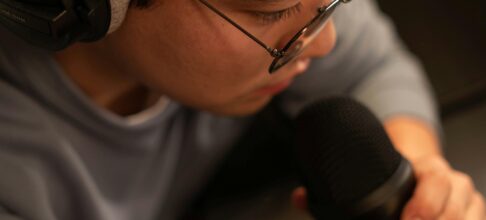
The first time I realized how far a language could travel was in , inside a small post-production suite in Tirana. A battered script for an Italian telenovela, yellowed at the edges, was being painstakingly adapted—line by line—into Albanian. The sound engineer adjusted dials; two voice actors rehearsed emotion for a love scene that had nothing to do with their own lives. What struck me wasn’t just the care, but the realization that these whispers would soon ripple across living rooms from Shkodër to Sarandë—and further still, via digital platforms.
Underestimated Currents: The Economic Tides Beneath Dubbing
Most people imagine voice over as an artistic footnote. But in Albania’s case, it’s become a quietly critical engine for economic movement. The reason is rooted in the country’s fast-growing media appetite and its role as both consumer and unexpected exporter of linguistic services.
Back in , when Netflix announced its push into Balkan content localization, few outside subtitling circles noticed. But in local circles—especially among companies like ArtMotion and Top Channel—it sent a jolt through production floors. Suddenly there was real demand not only for actors but for engineers, project managers, translators, dialogue coaches—a chain reaction benefiting dozens of micro-businesses.
How Streaming Platforms Amplified Demand
A typical workflow now starts not with television but with streaming portals. In practice: London-based ZOO Digital or Iyuno-SDI (both major players in global media localization) contract mid-sized studios in Tirana or Pristina to produce Albanian versions of international series. These studios then assemble teams: usually 4–6 core staff per project plus freelance talent drawn from university drama departments.
Industry insiders estimate that since , volume requests for Albanian-language voice over have grown by around %. This isn’t massive on a Hollywood scale—but for an economy where creative industries are often overlooked, it’s transformative.
Local Talent Pipelines: From Students to Studio Regulars
At Metropol Theater in Tirana last year, I sat backstage during break as two young actors recorded pickups between performances. When asked why they took dubbing gigs despite already working theater hours, one replied: “There are months where half my rent comes from this.”
That side income matters more than it seems. According to a survey by local casting agent Ilir Meçani (), nearly % of early-career performers supplement their earnings through voice over work commissioned by either domestic broadcasters or foreign platforms seeking authentic Albanian delivery.
Exporting Voices: A Cross-Border Experimentation
It isn’t just about internal consumption anymore. In recent years, German edtech firm LinguaTV began experimenting with regionalized e-learning modules targeting Kosovo- and Albania-based users. Their pilot projects involved hiring Tirana studio Foleja Records to deliver naturalistic voice overs for business English tutorials translated into Albanian dialects.
This outsourcing model is no longer rare—the same studio now fields inquiries monthly from Swiss mobile app developers and Turkish animation distributors wanting cost-effective access to credible Albanian narration.
Automation vs Authenticity: AI Creeps In… But Slowly
In Berlin production agencies working on multilingual advertising campaigns (notably at August Media), it’s common practice now to test synthetic voices before hiring live actors—especially when budgets get squeezed. But according to managing producer Anke Grünwald (in a panel last autumn), “Albanian remains stubbornly artisanal.”
AI-generated voices can handle generic content or background roles but tend to falter badly on emotive storytelling or nuanced scripts—a fact repeatedly cited by both clients and creatives alike.
Measuring Ripple Effects—Not Just Jobs Created
For every obvious hire there’s an indirect impact harder to tally: freelance translators get steadier contracts; small audio hardware shops notice spikes around big localization seasons; even coffee shops near busy studios find themselves hosting impromptu production meetings late into the night during crunch weeks.
In alone, three new audio post houses opened within central Tirana—a modest number globally but significant given there were zero such launches five years prior.
Unseen Exports Hidden Behind Subtitles
Here lies perhaps the oddest twist: much of Albania’s growing influence happens invisibly abroad. A children’s cartoon dubbed at Studio Soundscape finds its way into diaspora households across Zurich or New York via YouTube Kids; e-learning clips voiced locally are repackaged by Estonian edtech startups selling lessons worldwide under pan-European licenses.
While hard export data is sparse due to patchy reporting standards, industry observers estimate that up to % of annual revenue at top Albanian studios now derives from cross-border contracts—not direct domestic broadcast work at all.
The Reluctant Gatekeepers of Identity
There are wrinkles no spreadsheet captures: debates within translation teams about whether to use standard literary Albanian or regional dialects; fierce arguments when Western brands request flattened accents "for clarity" (a persistent bugbear among purists). It echoes the tension seen back in – when Top Channel first began subtitling American dramas instead of full dubbing—a budget move that inadvertently trained a generation of Albanians’ ears on English speech rhythms instead of their own language's music.
Looking Forward By Listening Backward
Today you can walk past Radio Tirana’s old art deco facade and hear younger producers discussing TikTok strategy while prepping scripts for kids' cartoons destined for both Prizren cable packages and Paris-based expat networks. More workflows are remote; more contracts cross borders; yet the heartbeat remains stubbornly local—rooted in small booths where voices still matter more than algorithms want them to.
Economically? Not headline-grabbing stuff—not yet—but unmistakably vital if you’re tracking how minor languages carve out space within global media flows. For every actor who covers rent voicing superheroes or soap stars…there's another invisible hand steering Albania toward creative relevance far beyond its size.