In a small post-production suite in Jakarta, the rhythm is dictated less by global trends than by the persistent hum of deadlines. The world hears more Indonesian voice over now—on streaming platforms like Vidio and Disney+ Hotstar—but few outside realize how much improvisation happens behind closed doors.
Why Did Indonesia’s Voice Scene Evolve Differently?
For years, most Indonesian content never left its own borders. Dubbing for international markets was nearly nonexistent until around , when Netflix began subtitling and then dubbing select titles into Bahasa Indonesia. This shift nudged local studios out of their comfort zones.
Suddenly, old workflows built for commercials or radio dramas weren’t enough. Studios like ArtSonica and PT Indovoiceover found themselves scrambling—not just for talent but also for scalable pipelines. In practice, this means late-night WhatsApp groups frantically searching for a Sulawesi accent or arguing over which Javanese dialect sounds "neutral enough" for national brands.
Inside a Real Studio Day: Realtime Hurdles
Take a Wednesday at ArtSonica’s South Jakarta recording room. Three hours are blocked to record twelve minutes of dialogue for an educational animation headed to Malaysia. Halfway through, the script changes: Malay slang must be replaced with Central Indonesian phrasing to pass censors in both countries. The engineer calls the producer who calls back to say the original actor can’t make it tomorrow—a replacement must match not only tone but subtle regional inflections.
This isn’t rare. According to one project manager at Indovoiceover, up to % of voice sessions in involved on-the-spot script adaptations due to last-minute client feedback or localization policy shifts.
Tools Aren’t Optional—But They’re Not Everything
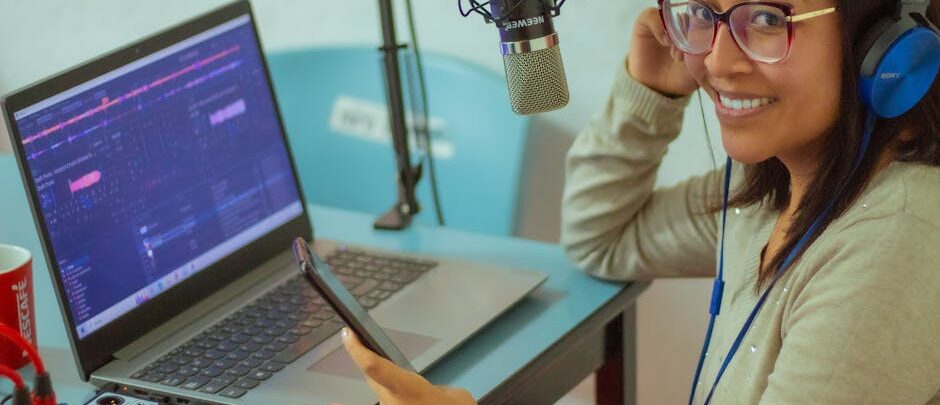
While European studios often rely on Pro Tools-based setups and cloud-based casting tools like Voices.com or Bodalgo, in Indonesia the scene is more fragmented. Many still use Adobe Audition alongside Google Sheets for session notes and basic scheduling; larger projects sometimes involve Dropbox file exchanges with four different post houses across Bandung and Surabaya.
Some studios tried AI-driven tools such as Descript during pandemic lockdowns (–), especially when travel bans made it impossible to bring all actors into central studios. However, concerns about accent authenticity led many clients—especially ad agencies representing Unilever or Indofood—to insist on human voices. By mid-, less than % of mainstream commercial campaigns accepted synthetic voices without additional review rounds.
Dubbing vs Narration: A Local Twist
Unlike Tokyo or Seoul where anime dubbing dominates studio time, in Jakarta narration work (for e-learning, government PSAs) still makes up at least half of annual revenue streams according to informal surveys among five leading studios conducted in late .
A regional TVC campaign for Grab required three separate sets of voice artists: one each from Jakarta (for neutrality), Makassar (to reach Eastern markets), and Medan (Sumatra). Such projects often double budget projections due to casting complexity alone—a reality rarely accounted for in Western industry guides.
The Matter of Rates: Numbers With a Catch
Rates remain volatile. In you could book a mid-level narrator for IDR 1 million per finished minute; by early rates ranged from IDR 800k up to IDR 2 million depending on exclusivity clauses and distribution scope. Unlike London or Los Angeles where union rules set baselines, most Indonesian jobs are negotiated ad hoc—sometimes over coffee rather than contracts.
Case Study Snapshot: Streaming Growth Pushes New Standards
When Disney+ Hotstar launched its Bahasa interface in August , they contracted PT Indovoiceover to localize entire seasons of children’s series within six weeks—a schedule that would be considered aggressive even by Korean standards. The result? Some episodes were re-recorded up to three times after initial consumer focus groups flagged inconsistent pronunciation between episodes featuring different child actors from Bandung versus Jakarta studios.
What’s Actually Changing Now?
Smaller cities are emerging as satellite hubs thanks partly to remote collaboration habits cemented during COVID- restrictions. Production managers at two Yogyakarta-based outfits report that over half their regular narrators now record from home booths equipped with Focusrite Scarlett interfaces—a setup almost unheard-of pre- except among top-tier talents based in Bali’s expat community.
Yet equipment alone doesn’t solve everything: regional accents still trip up even the best hardware setups if casting directors don’t catch mismatch issues early enough in pre-production meetings—a lesson learned repeatedly during large-scale e-learning localization drives sponsored by Jakarta’s Ministry of Education since .
Looking Sideways: Lessons From Abroad—and What Doesn’t Translate Well
In contrast with Polish post houses using fully integrated asset management systems or German firms tied closely with unions dictating usage rights clearances upfront, much of Indonesia’s workflow remains semi-formalized—even at scale. This flexibility has upsides (speed) but means last-minute surprises are almost baked into every production cycle.
Is There an Ideal Path Forward?
No studio here expects perfect process flow yet—the market rewards adaptability far more than textbook adherence. As streaming demand continues its double-digit annual growth among younger Indonesians (Nielsen noted a +% increase in mobile video consumption between Q2 –Q2 ), voice over teams improvise daily just to keep pace.